
Health And Hygiene (Water Purification) Basic 2 Physical & Health Education Lesson Note
Download Lesson NoteTopic: Health And Hygiene (Water Purification)
Learning Objectives
At the end of the lesson, pupils should be able to: i. Enumerate some ways of purifying water ii. Describe some ways of purifying water
Introduction
Clean, safe water is essential for good health. Water from natural sources may contain harmful germs, dirt, and other substances that can make us sick. Learning how to purify water helps us stay healthy and prevents water-borne diseases.
Content
What is Water Purification? Water purification is the process of removing harmful substances, germs, dirt, and other contaminants from water to make it safe for drinking, cooking, and other uses.
Why Do We Need to Purify Water?
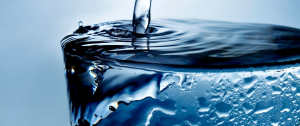
- Remove germs: Kill bacteria, viruses, and parasites that cause diseases
- Remove dirt: Clear muddy or cloudy water
- Remove chemicals: Take out harmful substances that may be dissolved in water
- Improve taste: Make water taste better by removing bad flavors
- Prevent illness: Stop water-borne diseases like cholera, typhoid, and diarrhea
Signs That Water Needs Purification:
- Cloudy or muddy appearance: Water is not clear
- Bad smell: Water has unpleasant odor
- Strange taste: Water tastes unusual or bitter
- Visible particles: You can see dirt, leaves, or other objects floating
- Unknown source: Water from wells, streams, or taps you’re unsure about
Methods of Water Purification
- Boiling Water
How it works:
- Heat water until it bubbles vigorously (100°C or 212°F)
- Keep water boiling for at least 1-3 minutes
- Let water cool down before drinking
- Store in clean, covered containers
What boiling does:

- Kills most germs, bacteria, and viruses
- Does not remove dirt or chemicals
- Makes water safe from most diseases
- Easy method that most families can do
Steps for boiling water:
- Pour water into a clean pot
- Put pot on stove or fire
- Wait for water to bubble strongly
- Keep boiling for 3 minutes
- Turn off heat and let water cool
- Pour into clean container with lid
- Filtering Water
What is filtering? Filtering is passing water through materials that trap dirt and particles while letting clean water through.
Simple filtering materials:
- Clean cloth: Strain water through multiple layers of clean fabric
- Sand and gravel: Layer different sizes of stones to filter water
- Charcoal: Activated charcoal removes some chemicals and improves taste
- Coffee filters: Paper filters that remove visible particles
How to make a simple filter:
- Take a clean plastic bottle
- Make small holes in the bottom
- Layer materials from bottom to top: small stones, sand, charcoal, cotton
- Pour water slowly from the top
- Collect filtered water from bottom
What filtering removes:
- Dirt and mud particles
- Leaves and debris
- Some larger germs
- Bad taste and odor (with charcoal)
What filtering does NOT remove:
- Most bacteria and viruses
- Dissolved chemicals
- Very small harmful particles
- Using Water Purification Tablets
What are purification tablets? Special tablets containing chemicals that kill germs in water when dissolved.
How to use purification tablets:
- Fill container with water
- Drop in the correct number of tablets (follow instructions)
- Stir or shake water
- Wait 30-60 minutes before drinking
- Water may taste slightly different but is safe
Benefits of tablets:
- Easy to carry when traveling
- Work quickly
- Kill most germs
- Don’t require heat or electricity
- Solar Water Disinfection (SODIS)
What is SODIS? Using sunlight to kill germs in water by placing clear bottles in direct sunlight.
How to do SODIS:
- Fill clear plastic bottles with water
- Place bottles on their side in direct sunlight
- Leave for 6 hours in bright sun (or 2 days if cloudy)
- The sun’s heat and UV rays kill most germs
When SODIS works best:
- Sunny, hot days
- Clear or lightly cloudy water
- Clear plastic bottles
- Temperature reaches at least 50°C (122°F)
- Adding Chlorine (Bleach)
What is chlorination? Adding a small amount of liquid chlorine (bleach) to kill germs in water.
How to chlorinate water safely:
- Use only unscented liquid bleach
- Add 2 drops per liter of clear water
- Stir and let sit for 30 minutes
- Water should have slight chlorine smell
- If no smell, add 2 more drops and wait 15 minutes
Important safety notes:
- Only adults should handle bleach
- Use very small amounts
- Never mix bleach with other chemicals
- Store bleach safely away from children
- Commercial Water Filters
Types of commercial filters:
- Pitcher filters: Pour water through filter in pitcher
- Faucet filters: Attach to water taps
- Under-sink filters: Install under kitchen sink
- Portable filters: Small filters for travel or camping
What commercial filters do:
- Remove chlorine taste
- Filter out particles and sediments
- Some remove bacteria and viruses
- Improve water taste and odor
Choosing the Right Purification Method:
For everyday home use:
- Boiling (most reliable)
- Commercial filters (convenient)
- Combination of filtering and boiling
For emergencies:
- Boiling water
- Purification tablets
- Solar disinfection
For traveling:
- Portable filters
- Purification tablets
- Bottled water from trusted sources
Important Reminders:
- Always use clean containers to store purified water
- Purify water from any uncertain source
- Combine methods when possible (filter then boil)
- Replace filter materials regularly
- Keep purified water covered and use within 24 hours
Activities
- Demonstrate boiling water process step by step
- Show how to make a simple water filter using available materials
- Discuss different water sources and their safety levels
- Practice identifying when water needs purification
- Group discussion about water purification methods used at home
- Create visual aids showing different purification methods
Multiple Choice Exercise
- Boiling water helps to: a) Make it taste sweet b) Kill germs c) Change its color
- Water should be boiled for at least: a) 30 seconds b) 3 minutes c) 1 hour
- Filtering water helps to remove: a) Dirt and particles b) Only color c) Only smell
- Which of these shows water needs purifying? a) Clear and clean b) Cloudy and muddy c) Cold water
- Solar water disinfection uses: a) Moon light b) Electric light c) Sunlight
Answers: 1(b), 2(b), 3(a), 4(b), 5(c)
Third Term Physical & Health Education Lesson Notes for Other Topics

Health and Hygiene
Explore lesson notes covering all topics.

Teeth Brushing
Explore lesson notes covering all topics.

Care of the Nails and Hair
Explore lesson notes covering all topics.

Cleanliness
Explore lesson notes covering all topics.

First Aid
Explore lesson notes covering all topics.

First Aid (Continued)
Explore lesson notes covering all topics.

Content of First Aid
Explore lesson notes covering all topics.

Benefits of First Aid
Explore lesson notes covering all topics.
First Aid
Explore lesson notes covering all topics.
Health And Hygiene - Pollution
Explore lesson notes covering all topics.
Swimming
Explore lesson notes covering all topics.

Swimming II
Explore lesson notes covering all topics.
First Aid II
Explore lesson notes covering all topics.
First Aid
Explore lesson notes covering all topics.
Issues and Challenges in Sports and PHE
Explore lesson notes covering all topics.
Lesson Notes for Other Classes

Basic 1 Lesson Note
The complete lesson note to guide your studies.

Basic 3 Lesson Note
The complete lesson note to guide your studies.

Basic 4 Lesson Note
The complete lesson note to guide your studies.
Basic 5 Lesson Note
The complete lesson note to guide your studies.

Basic 6 Lesson Note
The complete lesson note to guide your studies.

JSS1 Lesson Note
The complete lesson note to guide your studies.