
First Aid 2 Basic 2 Physical & Health Education Lesson Note
Download Lesson NoteTopic: First Aid 2
Learning Objectives
At the end of the lesson, pupils should be able to explain more conditions that require first aid treatment.
Introduction
Building on our basic first aid knowledge, we will learn about additional emergency conditions that may require first aid treatment. Understanding these situations helps us be better prepared to assist in emergencies and recognize when professional help is urgently needed.
Content
Advanced First Aid Conditions
- Severe Allergic Reactions (Anaphylaxis)
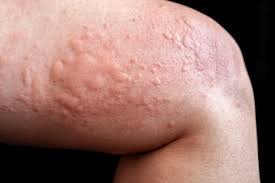
What is anaphylaxis? A severe, life-threatening allergic reaction that can happen very quickly when someone is exposed to something they’re extremely allergic to.
Common triggers:
- Foods: Peanuts, tree nuts, shellfish, eggs, milk
- Insect stings: Bees, wasps, hornets, fire ants
- Medications: Penicillin and other antibiotics
- Latex: Rubber gloves, balloons
Signs of severe allergic reaction:
- Breathing problems: Wheezing, difficulty breathing, tight throat
- Skin reactions: Widespread rash, hives all over body, severe itching
- Swelling: Face, lips, tongue, or throat swelling rapidly
- Circulation problems: Rapid or weak pulse, dizziness, fainting
- Digestive issues: Nausea, vomiting, severe stomach cramps
First aid treatment:
- Call for emergency help immediately – this is life-threatening
- Help person use emergency medication if they have an EpiPen or inhaler
- Keep person calm and sitting upright to help breathing
- Loosen tight clothing around neck and chest
- Monitor breathing and pulse until help arrives
- Be prepared for CPR if person stops breathing (adults only)
Prevention:
- Know your allergies and avoid triggers
- Carry emergency medications if prescribed
- Tell others about severe allergies
- Wear medical alert bracelet if recommended
- Diabetic Emergencies
What is diabetes? A condition where the body cannot properly control blood sugar levels.
Two main diabetic emergencies:
Low Blood Sugar (Hypoglycemia):
- Signs: Sweating, shaking, confusion, dizziness, rapid heartbeat
- Causes: Too much insulin, not enough food, too much exercise
- Treatment: Give fast-acting sugar (juice, candy, glucose tablets) if person is conscious
High Blood Sugar (Hyperglycemia):
- Signs: Excessive thirst, frequent urination, fruity breath odor, drowsiness
- Causes: Not enough insulin, eating too much sugar, illness
- Treatment: Get medical help, person may need insulin
General first aid for diabetic emergency:
- Ask if person is diabetic and what they usually do
- If conscious and able to swallow: Give sugar source for low blood sugar
- If unconscious: Call emergency services immediately
- Monitor closely until help arrives
- Don’t give anything by mouth if person is unconscious
- Seizures
What are seizures? Sudden, uncontrolled electrical activity in the brain that can cause changes in behavior, movements, or consciousness.
Types of seizures:
- Convulsive: Person shakes or jerks uncontrollably
- Non-convulsive: Person may stare blankly or seem confused
Signs of seizure:
- Sudden falling or collapsing
- Uncontrollable shaking or jerking
- Loss of consciousness
- Confusion after episode
- May lose control of bladder or bowels
First aid for seizures:
- Stay calm and time the seizure
- Clear the area of dangerous objects
- Don’t restrain the person or put anything in their mouth
- Place something soft under their head if possible
- Turn person on side after shaking stops to help breathing
- Stay with person until they’re fully conscious
- Call for help if seizure lasts more than 5 minutes
What NOT to do:
- Don’t put anything in person’s mouth
- Don’t hold them down or try to stop movements
- Don’t give food or water until fully conscious
- Don’t leave person alone
- Hypothermia (Getting Too Cold)
What is hypothermia? Dangerous drop in body temperature that can happen when exposed to cold weather, cold water, or wet conditions.
Signs of hypothermia:
- Shivering (early sign)
- Confusion or difficulty thinking clearly
- Slurred speech
- Clumsiness or difficulty with coordination
- Drowsiness
- Weak pulse and slow breathing
First aid treatment:
- Move person to warm place away from cold
- Remove wet clothing carefully
- Wrap in blankets or warm, dry clothing
- Give warm beverages if person is conscious (no alcohol or caffeine)
- Apply heat sources to center of body (not arms and legs)
- Get medical help immediately for severe cases
Prevention:
- Dress warmly in layers during cold weather
- Stay dry and change wet clothes quickly
- Eat regular meals and stay hydrated
- Limit time outdoors in extreme cold
- Heat Stroke (Severe Overheating)
What is heat stroke? Life-threatening condition when body temperature rises dangerously high and body cannot cool itself.
Signs of heat stroke:
- High body temperature (over 103°F)
- Hot, dry skin (no sweating) OR heavy sweating
- Rapid pulse
- Confusion or altered mental state
- Nausea and vomiting
- May lose consciousness
First aid treatment:
- Call emergency services immediately
- Move to cool place immediately
- Remove excess clothing
- Cool the body rapidly: Use cool water, wet sheets, ice packs on neck/armpits
- Monitor breathing and consciousness
- Don’t give fluids if person is vomiting or unconscious
Difference from heat exhaustion:
- Heat exhaustion: Person still sweating, conscious, can drink fluids
- Heat stroke: May not be sweating, confused or unconscious, life-threatening
- Poisoning Emergencies
Types of poisoning:
- Swallowed poisons: Medicines, cleaning products, chemicals
- Inhaled poisons: Carbon monoxide, gas fumes
- Absorbed poisons: Chemicals on skin
- Injected poisons: Snake bites, drug overdoses
General signs of poisoning:
- Nausea and vomiting
- Difficulty breathing
- Confusion or strange behavior
- Burns around mouth (chemical poisoning)
- Unusual odors on breath or clothing
First aid for poisoning:
- Call Poison Control Center immediately
- Identify the poison if possible (save container)
- Follow professional instructions exactly
- Don’t make person vomit unless told to by experts
- If poison on skin: Rinse with lots of water
- If inhaled poison: Get to fresh air immediately
Important poison control number: Have adults help you find local poison control number
- Eye Injuries
Types of eye injuries:
- Foreign objects in eye (dust, eyelashes)
- Chemical splashes
- Cuts or scratches to eye area
- Blunt trauma (being hit in eye)
First aid for foreign object in eye:
- Don’t rub the eye
- Blink several times to try to flush object out naturally
- Pull upper eyelid over lower eyelid to help remove object
- Flush with clean water if blinking doesn’t work
- Get medical help if object doesn’t come out easily
First aid for chemical in eye:
- Flush immediately with lots of clean water for 15-20 minutes
- Hold eyelids open while flushing
- Don’t let person rub eye
- Get medical help immediately
When to get immediate help:
- Object stuck in eye
- Cut to eyeball or eyelid
- Vision changes after injury
- Severe pain that doesn’t improve
- Dental Emergencies
Common dental emergencies:
- Knocked out tooth
- Broken tooth
- Severe toothache
- Cut tongue or lips
First aid for knocked out tooth:
- Find the tooth immediately
- Hold by crown (top part), not root
- Rinse gently with clean water if dirty
- Try to put back in socket if possible (adults only)
- If can’t replace: Store in milk or person’s saliva
- Get dental help immediately (within 30 minutes if possible)
Prevention of emergencies:
- Learn to recognize warning signs
- Know emergency contact numbers
- Keep first aid supplies available
- Take first aid training classes
- Stay calm in emergencies
- Practice emergency scenarios
Activities
- Practice recognizing signs of different emergency conditions
- Role-play calling emergency services and giving clear information
- Create emergency action plans for different scenarios
- Practice timing activities (like seizure duration)
- Learn how to safely position unconscious persons
- Create wallet-sized emergency contact cards
Multiple Choice Exercise
- A severe allergic reaction that affects the whole body is called: a) Anaphylaxis b) Asthma c) Arthritis
- During a seizure, you should: a) Hold the person still b) Put something in their mouth c) Clear dangerous objects away
- Signs of heat stroke include: a) Heavy sweating and normal temperature b) High temperature and confusion c) Shivering and cold skin
- If someone gets poison in their eye, you should: a) Let them rub it b) Flush with water immediately c) Wait to see what happens
- For a knocked-out tooth, you should store it in: a) A dry cloth b) Milk or saliva c) Hot water
Answers: 1(a), 2(c), 3(b), 4(b), 5(b)
Third Term Physical & Health Education Lesson Notes for Other Topics

Health and Hygiene
Explore lesson notes covering all topics.

Teeth Brushing
Explore lesson notes covering all topics.

Care of the Nails and Hair
Explore lesson notes covering all topics.

Cleanliness
Explore lesson notes covering all topics.

First Aid
Explore lesson notes covering all topics.

First Aid (Continued)
Explore lesson notes covering all topics.

Content of First Aid
Explore lesson notes covering all topics.

Benefits of First Aid
Explore lesson notes covering all topics.
First Aid
Explore lesson notes covering all topics.
Health And Hygiene - Pollution
Explore lesson notes covering all topics.
Swimming
Explore lesson notes covering all topics.

Swimming II
Explore lesson notes covering all topics.
First Aid II
Explore lesson notes covering all topics.
First Aid
Explore lesson notes covering all topics.
Issues and Challenges in Sports and PHE
Explore lesson notes covering all topics.
Lesson Notes for Other Classes

Basic 1 Lesson Note
The complete lesson note to guide your studies.

Basic 3 Lesson Note
The complete lesson note to guide your studies.

Basic 4 Lesson Note
The complete lesson note to guide your studies.

Basic 5 Lesson Note
The complete lesson note to guide your studies.

Basic 6 Lesson Note
The complete lesson note to guide your studies.
JSS1 Lesson Note
The complete lesson note to guide your studies.