
Types of Personal Security Basic 5 Security Education Lesson Note
Download Lesson NoteTopic: Types of Personal Security
INSTRUCTIONAL MATERIALS
The teacher will teach the lesson with the aid of following security devices.
METHOD OF TEACHING
Pause a question, Discussion, Explanation, Demonstration
Note: – Improvisation of choosing methods of teaching, always introduce activities that will arouse pupil’s interest in the lessons.
REFERENCE MATERIALS
- Outline of Work
- Primary Social Studies Curriculum
- Casual Book
- Government Manual
- Online Material
CONTENT OF THE LESSON
LESSON 1 – INTRODUCTION
- List the general types of personal security
- Explain how personal security can be enhanced, including being safe and protected personally, emotionally, financially, and in other aspects of life. But when you are not free from danger, know it means is when a robbery take place.
The things that can protect our safety include: Avoid being alone in places where crime and violence take place, and encouraging yourself to use their various sextions, such as electronic wrestling, social science for needed protection. Take precautions to prevent accident or incidences in learning at school or at home.
MEANING AND TYPES OF PERSONAL SECURITY
MEANING OF PERSONAL SECURITY
Personal Security is the measure taken by individual to protect him/herself and personal belongings from thieves, dangers, and risks. It includes physical and emotional safety as well as personal security of properties or information.
TYPES OF PERSONAL SECURITY
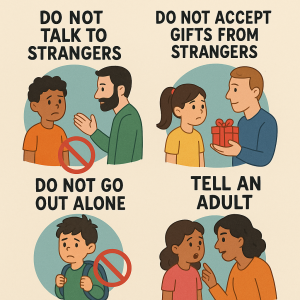
Personal security involves varies areas of life. It can be categorized into many different ways based on how it requires a personal approach and a consideration of physical, emotional, cyber and finance, and other material aspects. In this lesson we shall be explaining various types of personal security which include:-
- Physical Security – This involves measures such as installing security systems, surveillance cameras, locks, fire safety devices among others to protect oneself or property from physical threats.
- Emotional Security – This involves building and maintaining sense relationships with friends, family and support networks to provide emotional security during times of crisis or challenge.
- Cyber Security – This involves safeguarding personal information and data from hackers, identity theft, phishing scams. This is very important especially in this age of increasing digitalization.
- Self-defence – This adopts learning techniques to protect oneself in dangerous situations, such as martial arts and simple tactics for self.
- Financial Security – This involves managing finance wisely promoting against fraud and ensuring investments and money matters by seeking for good financial management tips.
TYPES OF PERSONAL SECURITY AT HOME
Personal Security at home is about ensuring the security and safety of yourself and your loved ones within the confines of your home.
- Install a Home Security System – Installing a security alarm system with cameras and motion detectors that alert home owners and security companies of potential break in.
- Secure Doors and Windows – Make sure all doors and windows are locked when you are at home or away. Consider using deadbolt locks, security bars or grills to provide extra protection.
- Keep Valuable Secure – Store valuable items such as jewelry, cash, and important documents in a safe or safety deposit box to prevent theft.
- Be Aware of Surroundings – Pay attention to unusual activity or people around your home and report any suspicious behavior to authorities.
- Emergency Contact – Ensure your family knows important phone numbers and there is someone willing who life can help during emergencies.
- Neighborhood Watch – Join or start a neighborhood watch program to increase community awareness and help reduce crime in your area.
- Have a Plan for Emergencies – Have a plan reduce for emergencies such as fires, medical emergencies, or natural disasters that specifies escape routes and meeting points.
- Develop a Home Security Routine – Develop a daily security routine, such as checking that all doors and windows are locked before going to bed, and always being aware of who is at your door before opening it.
- Avoid Sharing Personal Information – Be cautious about sharing personal information online or with strangers over the phone to prevent identity theft.
- Keep Emergency Supplies – Keep a supply of emergency items such as food, water, first aid kit, flashlight and basic communication equipment in case of power outages to ensure your safety.
- Burglar-Proof Your Home – Take steps to make your home less attractive to burglars by trimming bushes, using timers on lights, and not leaving valuable items visible from the outside.
- Communication with Family – Make sure everyone in the family are aware of your family safety measures, you can start a simple and safe home environment for yourself and your family.
TYPES OF PERSONAL SECURITY IN THE SCHOOL
Personal security in the school includes measures taken to ensure safety of students, staff and others in the education environment.
- Regular Safety Drills – Schools should conduct regular safety drills, such as fire drills and lockdown drills, to ensure that students and staff know what to do in emergency situations.
- Secure areas and Entry – Schools should limit access entrances and exits to prevent unauthorized people from coming on school property, and check the identity of all new visitors.
- Surveillance Cameras – Surveillance cameras should be installed in key areas of the school to help deter crime and enhance overall security.
- Emergency Communication Systems – Schools should have a reliable emergency communication system in place, such as PA systems, to quickly alert students and staff in case of emergencies.
- Trained Security Personnel – Schools should have trained security personnel on site to help maintain order and respond to any potential security threats.
- Student Support Services – Schools should provide counseling and support services to help students deal with personal issues, mental health concerns, or other challenges that may affect their personal security.
- Reporting Systems – Schools should have a clear and effective reporting system to allow students and staff to report any suspicious activities or safety concerns.
- Work With Law Enforcement – Schools should work closely with local law enforcement agencies to develop safety plans and respond to emergencies or security threats.
- Visitor Management – Schools should have a system in place to check and monitor all visitors to ensure that only authorized people are allowed on school property.
- Encourage Student to Speak Up – The school security and safety is encouraging students to speak up if they see anything suspicious or if they feel unsafe, and provide multiple ways for students to report their concerns.
- Follow Safety Tips – By coordinating to advice Precaution, Schools can help ensure the physical and emotional safety of their students and staff.
First Term Security Education Lesson Notes for Other Topics

Elements Of Security
Explore lesson notes covering all topics.

Elements Of Security - Integrity
Explore lesson notes covering all topics.
Elements Of Security - Confidentiality
Explore lesson notes covering all topics.

Elements Of Security - Authenticity
Explore lesson notes covering all topics.

Elements Of Security - Availability
Explore lesson notes covering all topics.

Empathy
Explore lesson notes covering all topics.
Elements Of Security - Creativity In Sharing Information
Explore lesson notes covering all topics.

Audio Awareness - Materials In Security
Explore lesson notes covering all topics.

Partnering With Key Security Departments
Explore lesson notes covering all topics.

Sources Of Danger And Insecurity - Bombing I
Explore lesson notes covering all topics.

Sources Of Danger And Insecurity - Suicide Bombing
Explore lesson notes covering all topics.

Sources Of Danger And Insecurity
Explore lesson notes covering all topics.

Sources Of Danger And Insecurity - Riot
Explore lesson notes covering all topics.

Sources Of Danger - Dangerous Chemicals
Explore lesson notes covering all topics.

Sources Of Insecurity - Food Poisoning
Explore lesson notes covering all topics.

Lesson Notes for Other Classes

Basic 2 Lesson Note
The complete lesson note to guide your studies.
Basic 3 Lesson Note
The complete lesson note to guide your studies.

Basic 4 Lesson Note
The complete lesson note to guide your studies.

JSS1 Lesson Note
The complete lesson note to guide your studies.
JSS2 Lesson Note
The complete lesson note to guide your studies.

JSS3 Lesson Note
The complete lesson note to guide your studies.