
Audio Awareness – Materials In Security Basic 3 Security Education Lesson Note
Download Lesson NoteTopic: Audio Awareness – Materials In Security
Subject: Security Education
Class: Primary 3
Duration: 30 minutes
What is Audio Awareness?
Audio awareness means using your sense of hearing to stay safe and recognize different sounds that can warn you about danger or help you understand what is happening around you.
Why Audio Awareness is Important for Security
Your ears help you:
- Hear warning sounds and alarms
- Detect danger before you see it
- Know when help is coming
- Understand what security materials are telling you
- Stay alert to your surroundings
Security Materials That Use Audio
Alarm Systems
Fire Alarms:

- Make loud beeping or ringing sounds
- Warn everyone when there’s a fire
- Tell people to leave the building quickly
- Sound different from other alarms
Burglar Alarms:
- Make loud siren sounds
- Warn that someone is breaking into a building
- Alert security and police
- Scare away thieves
Emergency Alarms:
- Sound when there’s danger
- Tell people to take action immediately
- Used in schools, hospitals, and offices
- Have different sounds for different emergencies
Communication Devices
Whistles:
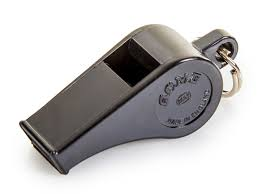
- Used by security guards and police
- Make sharp, loud sounds
- Signal for help or attention
- Easy to carry and use
Megaphones/Loudspeakers:
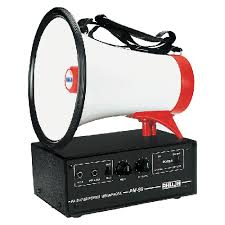
- Make voices louder so everyone can hear
- Used to give instructions during emergencies
- Help communicate over long distances
- Used by police and emergency workers
Two-way Radios:
- Allow security people to talk to each other
- Help coordinate during emergencies
- Keep security teams connected
- Used by police, fire service, and security guards
Warning Sounds
Sirens:
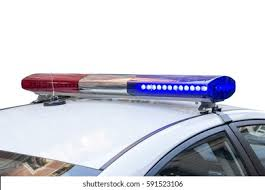
- Used by police cars, ambulances, and fire trucks
- Warn people to move out of the way
- Signal that emergency vehicles are coming
- Have different sounds for different services
Car Horns:
- Warn of danger on the road
- Alert pedestrians and other drivers
- Used in traffic situations
- Help prevent accidents
How to Respond to Security Audio Materials
When You Hear Fire Alarms
- Stop what you’re doing immediately
- Walk quickly to the nearest exit
- Don’t run or push others
- Go to the meeting point outside
When You Hear Sirens
- Move away from the road
- Let emergency vehicles pass
- Stay calm and alert
- Follow adult instructions
When You Hear Whistles
- Pay attention to who is blowing it
- Look for security personnel or teachers
- Listen for further instructions
- Stay where adults can see you
When You Hear Loudspeaker Announcements
- Stop talking and listen carefully
- Follow the instructions given
- Ask adults if you don’t understand
- Stay calm and don’t panic
Being Audio Aware for Safety
Listen for Unusual Sounds
- Sounds that don’t belong in your environment
- People shouting for help
- Breaking glass or loud crashes
- Strange noises at night
Know Normal Sounds
- Regular school bell sounds
- Normal traffic noises
- Familiar voices of family and teachers
- Everyday sounds in your environment
Practice Audio Recognition
- Learn different alarm sounds
- Practice emergency drills
- Know your family’s emergency signals
- Understand security whistle codes
Class Exercise
- Fill in the blanks:
Words: audio, hearing, alarms, sirens
- _____________ awareness means using your sense of hearing to stay safe.
- Fire _____________ warn people when there’s danger.
- _____________ are used by emergency vehicles to clear the way.
- Good _____________ helps you detect danger early.
- Choose the correct answer:
- What should you do when you hear a fire alarm? a) Hide under your desk b) Walk quickly to the exit c) Continue with your work
- Whistles are used by: a) Only children b) Security guards and police c) Only teachers
- Sirens help emergency vehicles to: a) Make music b) Clear the way c) Scare people
- Match the audio material with its purpose:
- Fire alarm → Warns about fire danger
- Police siren → Clears way for emergency vehicles
- Security whistle → Signals for help or attention
- Loudspeaker → Gives instructions to many people
- Write CORRECT RESPONSE or WRONG RESPONSE:
- Running when you hear a fire alarm: _______
- Listening carefully to loudspeaker announcements: _______
- Ignoring police sirens: _______
- Following whistle signals from security guards: _______
- Panicking when hearing emergency sounds: _______
- Complete these sentences:
- Audio awareness helps you _____________ danger before you see it.
- When you hear sirens, you should move _____________ from the road.
- Fire alarms tell people to _____________ the building quickly.
- _____________ make voices louder so everyone can hear.
- List three types of security alarms:
- Name the audio device used in these situations:
- Security guard needs to call for help: _____________
- Fire breaks out in a building: _____________
- Police car rushing to emergency: _____________
- Instructions needed for large crowd: _____________
- Answer these questions:
- What is audio awareness?
- Why are audio materials important for security?
- What should you do when you hear unusual sounds?
- Write TRUE or FALSE:
- You should ignore all alarm sounds. _______
- Audio awareness helps keep you safe. _______
- All emergency vehicles sound the same. _______
- Whistles are only used for games. _______
- Write what you should do when you hear:
- Fire alarm at school: _________________________________
- Police siren on the road: _________________________________
- Security whistle: _________________________________
- Emergency announcement: _________________________________
Good audio awareness keeps you safe and alert!
First Term Security Education Lesson Notes for Other Topics

Elements Of Security
Explore lesson notes covering all topics.

Elements Of Security - Integrity
Explore lesson notes covering all topics.
Elements Of Security - Confidentiality
Explore lesson notes covering all topics.

Elements Of Security - Authenticity
Explore lesson notes covering all topics.

Elements Of Security - Availability
Explore lesson notes covering all topics.

Empathy
Explore lesson notes covering all topics.
Elements Of Security - Creativity In Sharing Information
Explore lesson notes covering all topics.

Partnering With Key Security Departments
Explore lesson notes covering all topics.

Sources Of Danger And Insecurity - Bombing I
Explore lesson notes covering all topics.

Sources Of Danger And Insecurity - Suicide Bombing
Explore lesson notes covering all topics.

Sources Of Danger And Insecurity
Explore lesson notes covering all topics.

Sources Of Danger And Insecurity - Riot
Explore lesson notes covering all topics.

Sources Of Danger - Dangerous Chemicals
Explore lesson notes covering all topics.

Sources Of Insecurity - Food Poisoning
Explore lesson notes covering all topics.
Sources Of Danger And Insecurity - Suspicious Movement
Explore lesson notes covering all topics.

Lesson Notes for Other Classes

Basic 2 Lesson Note
The complete lesson note to guide your studies.

Basic 4 Lesson Note
The complete lesson note to guide your studies.
Basic 5 Lesson Note
The complete lesson note to guide your studies.

JSS1 Lesson Note
The complete lesson note to guide your studies.
JSS2 Lesson Note
The complete lesson note to guide your studies.

JSS3 Lesson Note
The complete lesson note to guide your studies.