
Road Users Basic 2 Basic Science Lesson Note
Download Lesson NoteTopic: Road Users
Learning Objectives: By the end of this lesson, pupils should be able to:
- Say the meaning of roads
- Identify different road users (cars, bicycles, motorcycles, humans, animals etc.)
- Explain how each user correctly uses the road
Lesson Content:
Meaning of Roads: A road is a prepared surface or pathway built for vehicles and people to travel from one place to another. Roads connect different locations and help people move safely.
Types of Roads:
- Highways: Big roads for fast travel between cities
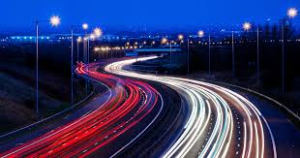
- Streets: Roads in towns and cities with houses and shops

- Footpaths: Special roads for people walking

- Bicycle lanes: Special roads for bicycles only
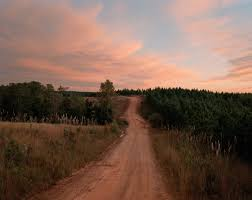
- Dirt roads: Unpaved roads in rural areas
Different Road Users:
Motor Vehicles:
- Cars: Private vehicles for families
- Buses: Public transport for many people
- Trucks: Large vehicles carrying goods
- Motorcycles: Two-wheeled motor vehicles
- Ambulances: Emergency medical vehicles
- Fire trucks: Emergency vehicles for fires
- Police cars: Law enforcement vehicles
Non-Motor Vehicles:
- Bicycles: Two-wheeled pedal vehicles
- Wheelchairs: For people with mobility challenges
- Carts: Pushed or pulled by people
- Horse-drawn carriages: In some areas
Pedestrians (People Walking):
- Adults: Walking to work, shopping, exercise
- Children: Going to school, playing (with adults)
- Elderly people: May walk slowly, need extra care
- People with disabilities: May need special assistance
Animals:
- Domestic animals: Cattle, goats, sheep crossing roads
- Wild animals: May wander onto roads
- Working animals: Horses, donkeys carrying loads
- Pets: Dogs, cats (should be controlled near roads)
How Each Road User Should Correctly Use Roads:
Car Drivers:
- Stay in proper lane: Don’t cross into other lanes
- Follow speed limits: Don’t drive too fast or too slow
- Use indicators: Signal before turning or changing lanes
- Stop at traffic lights: Red means stop, green means go
- Yield to pedestrians: Let people cross at crosswalks
- Keep safe distance: Don’t follow other cars too closely
- No phone use: Don’t talk on phone while driving
Bus Drivers:
- Stop only at bus stops: Pick up passengers at designated areas
- Be extra careful: Many people depend on buses
- Check mirrors: Watch for pedestrians and cyclists
- Drive smoothly: Avoid sudden stops and starts
- Open doors safely: Make sure area is clear
Motorcycle Riders:
- Wear helmets: Protect head from injury
- Use headlights: Be visible to other road users
- Stay in lane: Don’t weave between cars
- Follow traffic rules: Same rules as cars
- Be extra cautious: Motorcycles are smaller, less visible
Bicycle Riders:
- Ride in bicycle lanes: Use designated paths when available
- Stay close to curb: Keep to side of road
- Wear bright colors: Be visible to drivers
- Use hand signals: Show when turning or stopping
- Wear helmet: Protect head from injury
- Follow traffic signs: Obey same rules as vehicles
- Don’t ride on sidewalks: Unless specifically allowed
Pedestrians (People Walking):
- Use sidewalks: Walk on paths made for people
- Cross at crosswalks: Use designated crossing areas
- Look both ways: Check for traffic before crossing
- Wait for walk signal: At traffic light crossings
- Walk facing traffic: When no sidewalk available
- Be visible: Wear bright colors, especially at night
- Hold adult’s hand: Children should not walk alone near roads
Truck Drivers:
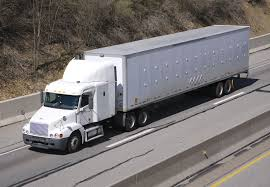
- Drive slowly: Large vehicles need more time to stop
- Use proper lanes: Often restricted from certain lanes
- Check blind spots: Large vehicles have areas driver can’t see
- Allow extra space: Need more room for turning
- Secure loads: Make sure cargo won’t fall off
Emergency Vehicles:
- Use sirens and lights: Warn other road users
- Have right of way: Other vehicles must move aside
- Drive carefully: Even in emergencies, safety first
Animals on Roads:
- Should be controlled: Owners responsible for keeping animals off roads
- Cross quickly: When necessary, get across road fast
- Herders should guide: People should direct animals safely
Road Safety Rules for Everyone:
General Rules:
- Pay attention: Watch what’s happening around you
- Follow traffic signals: Obey lights and signs
- Be patient: Don’t rush or take dangerous shortcuts
- Be courteous: Help other road users when safe
- Report dangers: Tell authorities about road problems
Special Considerations:
- School zones: Extra care when children are around
- Construction areas: Slow down, follow temporary signs
- Weather conditions: Drive/walk more carefully in rain
- Night time: Use lights, wear reflective clothing
Road Safety for Children:
- Never play on roads: Roads are for traveling, not playing
- Always with adults: Don’t go near roads without grown-ups
- Hold hands: When crossing or walking near roads
- Learn road signs: Understand what different signs mean
- Bright clothing: Wear colors that drivers can see easily
Common Road Problems:
- Traffic jams: Too many vehicles, not enough road space
- Accidents: When road users don’t follow rules
- Poor road conditions: Holes, damaged surfaces
- Weather hazards: Rain, fog making roads dangerous
Multiple Choice Exercise:
- A road is: a) Only for cars b) A prepared surface for travel c) Only for people d) Only for animals
- When crossing a road, pedestrians should: a) Run quickly b) Look both ways and use crosswalks c) Cross anywhere d) Close their eyes
- To shut down a computer completely, you should: a) Use sleep mode b) Use hibernate c) Use shutdown d) Just turn off the monitor
- Bicycle riders should: a) Ride anywhere on the road b) Stay close to the curb and wear helmets c) Never follow traffic rules d) Only ride at night
Answers: 1(b), 2(b), 3(c), 4(b
Third Term Basic Science Lesson Notes for Other Topics

Meaning And Characteristics Of Plants
Explore lesson notes covering all topics.
Uses Of Plants
Explore lesson notes covering all topics.
Plants - As Living Things
Explore lesson notes covering all topics.
Plants Exhibiting Characteristics Of Living Things
Explore lesson notes covering all topics.

Meaning And Characteristics Of Animals
Explore lesson notes covering all topics.
Uses Of Animals
Explore lesson notes covering all topics.

How Animals Help Us
Explore lesson notes covering all topics.

Animals - As Living Things (Characteristics)
Explore lesson notes covering all topics.

Water - Objects That Float
Explore lesson notes covering all topics.

Water - Objects That Sink
Explore lesson notes covering all topics.
Air Flotation
Explore lesson notes covering all topics.

Air: Meaning, Uses & Gases in Air
Explore lesson notes covering all topics.

Colour: Meaning, Types, & Uses of Colour
Explore lesson notes covering all topics.

Sound Energy
Explore lesson notes covering all topics.

Forms Of Energy
Explore lesson notes covering all topics.

Lesson Notes for Other Classes
Basic 3 Lesson Note
The complete lesson note to guide your studies.

Basic 4 Lesson Note
The complete lesson note to guide your studies.
Basic 5 Lesson Note
The complete lesson note to guide your studies.
JSS1 Lesson Note
The complete lesson note to guide your studies.
JSS2 Lesson Note
The complete lesson note to guide your studies.

JSS3 Lesson Note
The complete lesson note to guide your studies.