
History Of Computer SS1 Data Processing Lesson Note
Download Lesson NoteTopic: History Of Computer
GENERATIONS OF COMPUTERS
- FIRST GENERATION
Electronic machines which were distinct from mechanical computers evolved about 1945. UNIVAC is a good example of this generation of computers.
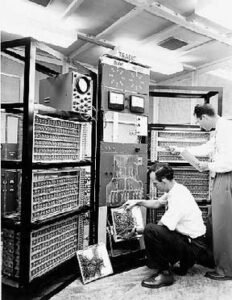
Computers of this generation were characterized by:
- They used Vacuum tubes.
- They were very large and expensive.
- . They were very bulky.
- They had a low retentive memory.
- They generated a lot of heat.
SECOND GENERATION
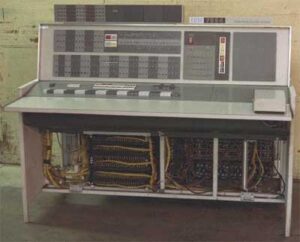
Second-generation computers were the replacement of vacuum tubes. Second-generation computers utilized primary discrete transistors. They had limited capability but were more advanced than the first-generation computers.
Features include:
- They were more reliable than the first generation.
- They could perform calculations.
- They had a more efficient storage facility.
- They generated lesser heat compared with the first generated computers.
THIRD GENERATION
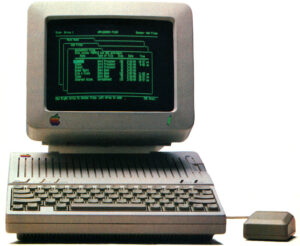
Third-generation computers utilized Integrated Circuit [Ics] technology, Small Scale Integration [SSI] with more sophisticated software capabilities like multi-programming, multi-processing and operating systems as resource managers.
The following can be noted in third-generation computers:
- Faster input and output.
- Increased storage capability
- Increased process capability
- Ability to display pictures and musical sound
FOURTH GENERATION

Fourth-generation computers appeared in about 1975. The technologies that characterized these machines were LARGE SCALE INTEGRATION (LSI) and VERY LARGE SCALE INTEGRATION (VLSI). The computers produced during this period were of a higher capability in terms of speed, storage and superior performance over their counterparts of the third generation.
- FIFTH GENERATION
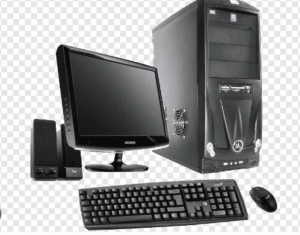
These generations of computers made use of ARTIFICIAL INTELLIGENCE (AL). This category of computer was built around the following objects.
To busupercomputersters i.e computers which could operate in the range of 10 billion instructions per second.
They were designed to have capacities like sight and hearing as well as the capability to stimulate human thoughts e.g. robots.
ASSIGNMENT
- The first generation uses …… as its circuitry.
- List four features of the second-generation computer.
- What is the difference between AI and Expert systems?
- VLSI means ……….

First Term Data Processing Lesson Notes for Other Topics
Classification Of Computers
Explore lesson notes covering all topics.
Data And Information
Explore lesson notes covering all topics.
Digitalization Of Data
Explore lesson notes covering all topics.
History Of Computing
Explore lesson notes covering all topics.
Introduction to Computer Networking
Explore lesson notes covering all topics.
Internet I - Electronic Mail/ E-Mail Accounts
Explore lesson notes covering all topics.
Internet II - Internet & Search Engines
Explore lesson notes covering all topics.
Computer Virus
Explore lesson notes covering all topics.
Maintenance of Computer I
Explore lesson notes covering all topics.
Maintenance of Computer II
Explore lesson notes covering all topics.
Career Opportunities in Data Processing
Explore lesson notes covering all topics.
Types of Network Devices
Explore lesson notes covering all topics.
Computer Networking
Explore lesson notes covering all topics.


Lesson Notes for Other Classes
JSS1 Lesson Note
The complete lesson note to guide your studies.
JSS2 Lesson Note
The complete lesson note to guide your studies.
SS2 Lesson Note
The complete lesson note to guide your studies.

SS3 Lesson Note
The complete lesson note to guide your studies.