Gymnastics with Apparatus – Basic 6 Basic Technology Lesson Note (Second Term)
Download Lesson NoteLesson note at a glance
- Subject
- Basic Technology
- Class
- Basic 6
- Term
- Second Term
- Topic
- Gymnastics with Apparatus
- Order
- Topic 21 of 25 this term
- Reading time
- 1 min
Learning Objectives
By the end of the lesson, pupils should be able to:
- Describe gymnastic activities with apparatus
- Demonstrate gymnastic activities with apparatus
- Execute gymnastic activities with apparatus
Content
Gymnastics with Apparatus

Definition: Gymnastic activities performed using equipment such as ropes, beams, bars, and other specialized apparatus.
Types of Apparatus:
A. rope activities
Equipment: Strong rope suspended from ceiling or mounted on frame
Activities with Rope:
- ROPE CLIMBING
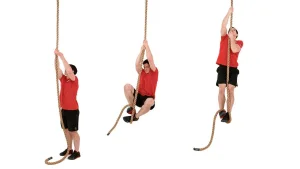
Description: Climbing vertical rope using hands and feet/legs
Techniques:
- A) Foot-Lock Method:
- Grip rope with hands overhead
- Wrap rope around one foot
- Step on rope with other foot (pinches rope)
- Pull up with arms
- Move hands higher
- Repeat foot pinch
- Continue climbing
- B) S-Wrap Method:
- Wrap rope in S-shape around leg
- Hook with foot
- Pull with arms
- Move hands up
- Re-wrap and repeat
Benefits:
- Upper body strength
- Grip strength
- Coordination
- Confidence
- Core strength
Safety:
- Use mat underneath
- Learn proper technique first
- Start low
- Have spotter
- Descend slowly and controlled
- Check rope condition
Progression:
- Practice grip at low height
- Climb short distance
- Gradually increase height
- Develop endurance
- ROPE SWINGING

Description: Swinging on suspended rope
Activities:
- Swing and land on target
- Swing and touch wall/object
- Swing and dismount
Benefits:
- Coordination
- Timing
- Grip strength
- Body awareness
- ROPE SKIPPING/JUMPING
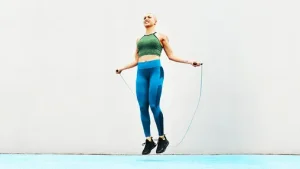
Description: Jumping over rotating rope
Types:
Individual Skipping:
- Basic two-foot jump
- Alternate foot (running step)
- One foot at a time
- Double unders (rope passes twice per jump)
- Crossovers (cross arms2. Ring Topology
- Circular connection
- Data travels one direction
- Equal access but one break affects all
- Star Topology
- Central hub/switch
- Most common and reliable
- Easy troubleshooting
- Mesh Topology
- Every device connects to every other
- Most reliable but expensive
- Multiple data paths
- Tree/Hierarchical Topology
- Combination of star topologies
- Scalable for large organizations
- Hybrid Topology
- Combination of two or more topologies
- Flexible and customizable
This term's Basic Technology topics
Basic 6 Second Term · 25 topics
- Computer Networks Cont’d
- First Elements on Periodic Table
- Gymnastics
- Scratch Programming I
- Introduction to Wood Hand Tools
- Scratch Programming II
- Gymnastics with Apparatus
- Maintenance
- Recreation
- Scratch: Conversation Program
- Maintenance of Sports Facilities and Equipment
Second Term Basic Technology Lesson Notes for Other Topics
Games - Basic Skills in Ball Games
Read the full lesson note.

Starting Up a Computer
Read the full lesson note.
Demonstrating Air in Space
Read the full lesson note.
Games (Local Games)
Read the full lesson note.

Parts of a Computer (Peripherals)
Read the full lesson note.
Air
Read the full lesson note.

Starting Up a Computer
Read the full lesson note.
Basic Safety for Computers
Read the full lesson note.
Safety Rules in Football Games
Read the full lesson note.
Light Energy, Uses of Light and Colour
Read the full lesson note.
Computer Room
Read the full lesson note.
Swimming (Aquatic)
Read the full lesson note.
Colour Identification 1 - Colours of Objects
Read the full lesson note.

Computer Room
Read the full lesson note.
Colour Identification II- Road Traffic Light Signs
Read the full lesson note.
Lesson Notes for Other Classes

Basic 1 Lesson Note
The complete lesson note to guide your studies.
Basic 2 Lesson Note
The complete lesson note to guide your studies.
Basic 3 Lesson Note
The complete lesson note to guide your studies.
Basic 4 Lesson Note
The complete lesson note to guide your studies.
Basic 5 Lesson Note
The complete lesson note to guide your studies.

JSS1 Lesson Note
The complete lesson note to guide your studies.