
Time – Speed, Distance, and Time Relationship Basic 5 Mathematics Lesson Note
Download Lesson NoteTopic: Time – Speed, Distance, and Time Relationship
Learning Objectives:
- Define what speed is
- Find the quotient between one item and another
- Calculate distance and time when average speed is given
- Solve line average speed of a moving object given the total distance travelled and the time taken
- Estimate the relationship between distance, time and average speed to solve various problems on time, distance and speed
Learning Activities:
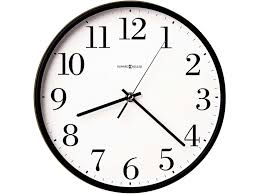
- Pupils an individuals discuss and says the time on a wall clock 30 several at the from of the class
- Pupils work in small groups. A leader in discuss: the obvious answer problem about the distance time and speed
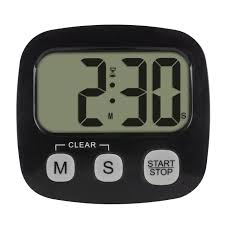
- Pupils go to sit on the verandah/hallway and be a timekeeper allow 10 seconds they talk to round the time
- Estimate to the following and using a stop watch and record a specific amount
This activity Embedded Core Skills
- Critical thinking and problem solving skills
- Communication and Collaboration
- Students Leadership skills and Personal Development
Learning Resources
- Clock face
- Timer for checking time
- Calculator

- Charts
Content
What is average speed
Average speed is a measure of how fast something is moving over a certain distance or amount of time. It is calculated by dividing the total distance travelled by the total time it took to travel that distance.
For example, if you travel 100 miles in 2 hours, the average speed would be 50 miles per hour. Essentially, it’s an average of how fast you’ve been moving during your journey, taking into account any stops or changes in speed.
- What is average speed and how is it calculated? Average speed is a measure of how fast something moves over a certain distance and time. It is calculated by dividing the total distance travelled by the total time taken.
- What are the units of average speed? Average speed is usually measured in kilometres per hour (km/h), miles per hour (mph), metres per second (m/s), etc.
- What are the parts of average speed? The parts of average speed are usually miles per hour (mph) and kilometres per hour (km/h).
Speed, Distance, and Time Relationship
The relationship between speed, distance, and time is described by the equation: speed = distance/time. This distance travelled over a certain period of time, while instantaneous speed is the speed at a specific moment in time.
Speed, distance, and time are related through the formula:
- Speed = Distance ÷ Time
- Distance = Speed × Time
- Time = Distance ÷ Speed
Speed of the object changes. For example, a car may start off at a slow speed and then accelerate to reach a higher speed, and then slow down and stop.
The speed that we be travel our distance, which will make the average speed lower. Similarly, the higher the distance travelled, the higher the average speed, and vice versa.
How to calculate average speed when distance and time are given.
- A cyclist travels 200 miles in 8 hours, his average speed would be 25 mph (200 miles ÷ 8 hours = 25 mph)
- A bicycle travels 50 miles in 10 minutes, the average speed would be 300 mph (50 miles ÷ 1/6 hours = 300 mph)
- A runner completes a marathon (26.2 miles) in 4 hours, his average speed would be 6.55 mph (26.2 ÷ 4 = 6.55 mph)
- A car travels 150 kilometres in 3 hours, the average speed is 50 km/h (150 kilometres ÷ 3 hours = 50 km/h)
- A bus travels 500 miles in 2 hours, its average speed would be 600 mph (1000 miles ÷ 2 hours = 500 mph)
Evaluation
- What is the formula for calculating average speed? a) distance ÷ time b) speed ÷ distance c) speed ÷ time d) time ÷ distance
- If a car travels 240 miles in 4 hours, what is its average speed? a) 60 mph b) 40 mph c) 80 mph d) 50 mph
- If a dog travels 60 feet in 12 seconds, what is its average speed? a) 5 ft/sec b) 6 ft/sec c) 4 ft/sec d) 7 ft/sec
- If a bicycle travels 15 miles in 2 minutes, what is its average speed? a) 7.5 mph b) 30 mph c) 4 mph d) 6 mph
- A train travels 300 miles in 4 hours, what is its average speed? a) 75 km/h b) 100 km/h c) 70 mph d) 75 mph
- If a person travels 1000 miles in 7 hours, what is the average speed? a) 400 mph b) 500 mph c) 400 mph d) 143 mph (approximately)
- A bird flying travels 15 km in 30 minutes. How far (rate)?
How to calculate Distance when average speed and time are given
If a bus is travelling at an average speed of 40 mph for 3 hours, the distance traveled can be calculated by multiplying the average speed by the time: 40 mph × 3 hours = 120 miles.
- If a car is travelling at an average speed of 60 mph for 2 hours, the distance traveled can be calculated by multiplying the average speed by the time: 60 mph × 2 hours = 120 miles; distance = 120 miles.
- If a bicycle is travelling at an average speed of 15 mph for 4 hours, the distance traveled can be calculated by multiplying the average speed by the time: 15 mph × 4 hours = 60 miles; distance = 60 miles.
- If a person is travelling at an average speed of 25 km/h for 5 hours, the distance traveled can be calculated by multiplying the average speed by the time: 25 km/h × 5 hours = 125 kilometres; distance = 125 kilometres.
- If a bus is travelling at an average speed of 50 km/h for 3 hours, the distance traveled can be calculated by multiplying the average speed by the time: 50 km/h × 3 hours = 150 kilometres; distance = 150 kilometres.
- If a bike is travelling at an average speed of 20 km/h for 6 hours, the distance traveled can be calculated by multiplying the average speed by the time: 20 km/h × 6 hours = 120 kilometres; distance = 120 kilometres.
Evaluation
- What is the formula for calculating distance when average speed and time are given? a) distance ÷ speed = time b) speed ÷ distance c) time d) time ÷ distance ÷ speed
- If a train is travelling at an average speed of 80 km/h and the distance travelled is 320 kilometres, how long will it travel? a) 4 hours b) 5 hours c) 3 hours d) 6 hours
- If a person is travelling at an average speed of 50 mph for 4 hours, how far has it travelled? a) 200 miles b) 150 miles c) 250 miles d) 300 miles
- If a car is travelling at an average speed of 100 mph for 2 hours, how far has it travelled? a) 150 miles b) 180 miles c) 200 miles d) 250 miles
- If a person is travelling at an average speed of 75 km/h for 6 hours, how far has it travelled? a) 125 kilometres b) 200 kilometres c) 225 kilometres d) 450 kilometres
- If a person walks at an average speed of 3 miles/hour and distance traveled is 15 miles, what will be the time taken to reach the distance? a) 5 hours b) 4 hours c) 6 hours
How to calculate Distance when average speed and distance are given
- If a bus is travelling at an average speed of 60 mph and the distance travelled is 180 miles, the time can be calculated by dividing the distance by the average speed: 180 miles ÷ 60 mph = 3 hours.
- If a person is travelling at an average speed of 25 km/h and the distance travelled is 125 kilometres, the time can be calculated by dividing the distance by the average speed: 125 kilometres ÷ 25 km/h = 5 hours.
- If a person is travelling at an average speed of 15 mph and the distance travelled is 15 kilometres, the time can be calculated by dividing the distance by the average speed: 15 kilometres ÷ 15 mph = 1 hour.
- If a bus is travelling at an average speed of 8 km/h and the distance travelled is 274 kilometres, the time can be calculated by dividing the distance by the average speed: 274 kilometres ÷ 8 km/h = 34.25 hours.
- If a car is travelling at an average speed of 30 mph and the distance travelled is 120 metres (converted to miles: 120 metres ÷ 1609 metres/mile = 0.075 miles), the time can be calculated: 0.075 miles ÷ 30 mph = 0.0025 hours = 0.15 minutes.
Evaluation
- Given an average speed of 50 km/h and total distance of 350 kilometres, how long would it take to travel? a) 6 hours b) 7 hours c) 8 hours d) 5 hours
- If the distance is 240 miles and the average speed is 60 mph, how long will the journey take? a) 3 hours b) 4 hours c) 5 hours d) 6 hours
- What is the time to travel that distance? a) 4 hours b) 3.5 hours c) 5 hours d) 2.5 hours
- If an average speed of 40 kilometres per hour and a distance of 200 kilometres is given, how long would it take to travel that distance? a) 4 hours b) 5 hours c) 6 hours d) 7 hours
- If an average speed of 65 kilometres per hour and a distance of 520 kilometres is given, how long would it take to travel that distance? a) 7 hours b) 2.5 hours c) 3 hours d) 8.5 hours
- Given an average speed of 25 miles per hour and a distance of 50 miles, how long would it take to travel that distance? a) 1 hour b) 1.5 hours c) 2 hours d) 3 hours
- Given an average speed of 100 kilometres per hour and a distance of 500 kilometres is given, how long would it take to travel that distance? a) 4 hours b) 5 hours c) 6 hours d) 7 hours
- If an average speed of 120 kilometres per hour and a distance of 480 kilometres is given, how long would it take to travel that distance? a) 3 hours b) 4 hours c) 5 hours d) 6 hours
Second Term Mathematics Lesson Notes for Other Topics
Revision of First Term’s Work
Explore lesson notes covering all topics.
Length and Pythagoras Rule
Explore lesson notes covering all topics.

Revision of First Term's Topic
Explore lesson notes covering all topics.

Ratio and Proportion
Explore lesson notes covering all topics.
Percentages
Explore lesson notes covering all topics.
Indices
Explore lesson notes covering all topics.
Open Sentences
Explore lesson notes covering all topics.
Commercial Arithmetic - Money
Explore lesson notes covering all topics.
Perimeters and Areas of Plane Shapes
Explore lesson notes covering all topics.
Weight
Explore lesson notes covering all topics.

Shopping
Explore lesson notes covering all topics.
Money
Explore lesson notes covering all topics.
Open Sentences
Explore lesson notes covering all topics.

Division of Numbers
Explore lesson notes covering all topics.

Multiplication of Numbers III
Explore lesson notes covering all topics.
Lesson Notes for Other Classes
Basic 1 Lesson Note
The complete lesson note to guide your studies.

Basic 2 Lesson Note
The complete lesson note to guide your studies.

Basic 3 Lesson Note
The complete lesson note to guide your studies.

Basic 4 Lesson Note
The complete lesson note to guide your studies.

Basic 6 Lesson Note
The complete lesson note to guide your studies.

JSS1 Lesson Note
The complete lesson note to guide your studies.