
Rearing Of Farm Animals Basic 5 Agricultural Science Lesson Note
Download Lesson NoteTopic: Rearing Of Farm Animals

LEARNING OBJECTIVES
By the end of the lesson, pupils should be able to:
- Outline the kinds of animals that can be raised
- Describe the importance of animal rearing
- Raise animals of their choice
CONTENT
What is Animal Rearing?
Animal rearing is the practice of keeping and caring for animals on a farm for various purposes such as food production, income generation, and other benefits.
Types of Farm Animals That Can Be Raised
1. Poultry Animals

- Chickens – for eggs and meat
- Ducks – for eggs and meat
- Geese – for meat and feathers
- Turkeys – for meat
- Guinea fowls – for meat and pest control
2. Small Livestock

- Rabbits – for meat and fur
- Snails – for meat (protein source)
- Grasscutters – for meat
- Guinea pigs – for meat
3. Large Livestock

- Cattle – for milk, meat, and leather
- Goats – for milk, meat, and skin
- Sheep – for meat, milk, and wool
- Pigs – for meat and leather
4. Aquatic Animals
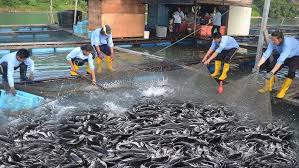
- Fish – for food and income
- Crayfish – for food
Importance of Animal Rearing
1. Food Production
- Animals provide protein-rich foods like meat, eggs, and milk
- These foods are essential for proper growth and development
- They supply important nutrients like vitamins and minerals
2. Income Generation
- Farmers can sell animals and animal products for money
- Provides employment opportunities
- Helps improve the standard of living
3. Raw Materials
- Animals provide materials for making other products:
- Leather from cattle and goats for shoes and bags
- Wool from sheep for clothing
- Feathers from birds for pillows and decorations
4. Fertilizer Production
- Animal waste (manure) can be used to fertilize crops
- This improves soil fertility naturally
- Reduces the need for expensive chemical fertilizers
5. Transportation
- Some animals like horses and donkeys can be used for transportation
- Oxen can be used for plowing fields
6. Security
- Dogs can be used to guard the farm and home
- Some animals alert farmers to danger
How to Choose Animals to Raise
When selecting animals to raise, consider:
- Available space – Choose animals that fit your available land
- Climate – Select animals that can survive in your area’s weather
- Purpose – Decide if you want meat, eggs, milk, or income
- Resources – Consider what you can afford to feed and house the animals
- Knowledge – Choose animals you know how to care for
- Market demand – Select animals that people want to buy
Getting Started with Animal Rearing
- Start small – Begin with a few animals you can manage well
- Learn first – Study about the animals you want to keep
- Prepare housing – Build proper shelters for your animals
- Plan for feeding – Know what and how to feed your animals
- Budget properly – Calculate the costs involved
EVALUATION QUESTIONS
- What is animal rearing?
- List five types of poultry animals that can be raised on a farm.
- Mention four importance of rearing farm animals.
- Name three large livestock animals.
- Why is it important to start small when beginning animal rearing?
- List three factors to consider when choosing animals to raise.
- How do farm animals help in food production?
- What materials can we get from farm animals?
- Name two aquatic animals that can be reared.
- How do farm animals help generate income?
ASSIGNMENT
- Visit a nearby farm and list all the animals you see there.
- Ask your parents or guardians about any animals they have reared before.
- Choose one animal you would like to rear and explain why you chose it.
CONCLUSION
Animal rearing is an important agricultural practice that provides food, income, and raw materials. Farmers can choose from various types of animals depending on their resources, space, and purpose. Starting with proper planning and knowledge is key to successful animal rearing.
Third Term Agricultural Science Lesson Notes for Other Topics

Farm Records and Types
Explore lesson notes covering all topics.

Marketing Channels for Farm Produce; Co-operative Societies and Marketing Boards
Explore lesson notes covering all topics.

Marketing Channels - Middlemen and Retailers
Explore lesson notes covering all topics.

Marketing Channels for Farm farm Produce; Producers of Farm Produce
Explore lesson notes covering all topics.

Marketing Channels for Farm Produce
Explore lesson notes covering all topics.

Common Pests And Parasites Of Farm Animals
Explore lesson notes covering all topics.
Systems Of Rearing Farm Animals
Explore lesson notes covering all topics.
Management Of Farm Animals
Explore lesson notes covering all topics.
Rearing Of Chicken, Rabbit, Or Snail
Explore lesson notes covering all topics.

Common Disease Of Farm Animals 2
Explore lesson notes covering all topics.

Common Disease Of Farm Animals
Explore lesson notes covering all topics.
Procedures For Rearing Farm Animals
Explore lesson notes covering all topics.

Common Farm Tools
Explore lesson notes covering all topics.
Description and Uses of Farm Tools
Explore lesson notes covering all topics.

Agricultural Tillage Tools
Explore lesson notes covering all topics.
Lesson Notes for Other Classes

Basic 1 Lesson Note
The complete lesson note to guide your studies.

Basic 2 Lesson Note
The complete lesson note to guide your studies.

Basic 3 Lesson Note
The complete lesson note to guide your studies.

Basic 4 Lesson Note
The complete lesson note to guide your studies.

Basic 6 Lesson Note
The complete lesson note to guide your studies.

JSS1 Lesson Note
The complete lesson note to guide your studies.