
Oji (Kola Nut) Basic 3 Igbo Lesson Note
Download Lesson NoteTopic: Oji (Kola Nut)
Subject: Igbo Language
Class: Primary 3
Topic: Oji (Kola Nut)
Duration: 35 minutes
Learning Objectives
Pupils will be able to:
- Understand the importance of kola nut in Igbo culture
- Learn vocabulary related to kola nut ceremony
- Know simple kola nut traditions
Oji na Omenala Igbo (Kola Nut and Igbo Culture)
Gịnị bụ Oji? (What is Kola Nut?)
- Oji bụ mkpụrụ osisi mara mma n’omenala Igbo
- Ọ na-acha acha ma ọ bụ ọcha
- Ọ dị ụtọ ma nwee ike inye mmadụ ume
- Ọ bụ ihe dị mkpa n’omenala anyị
Ụdị Oji (Types of Kola Nut)
Site n’Agba (By Color)
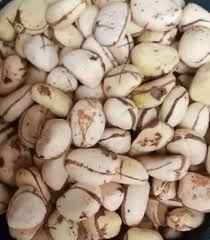
- Oji ọcha – White kola nut
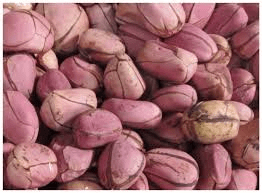
- Oji na-acha acha – Reddish kola nut
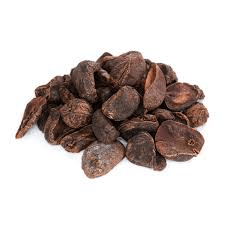
- Oji ojii – Dark kola nut
Site n’Otu Ọ Dị (By Structure)
- Oji ibe abụọ – Two-lobed kola
- Oji ibe atọ – Three-lobed kola
- Oji ibe anọ – Four-lobed kola
- Oji ibe ise – Five-lobed kola
Omenala Oji (Kola Nut Traditions)
Usoro Iweta Oji (Kola Nut Presentation)
- Onye kacha agadi na-eweta oji – Eldest presents kola
- E gosi ndị ọbịa oji – Show kola to visitors
- E kwuo okwu ọma – Say good words/prayers
- E kee oji – Break the kola
- E kesaa ndị niile – Share with everyone
Okwu A Na-ekwu Mgbe A Na-eweta Oji (Words Said During Kola Presentation)
- “Onye wetara oji wetara ndụ” – He who brings kola brings life
- “Oji na-akpọ nna ya” – Kola calls its father
- “Ọ bụ oji Igbo” – It is Igbo kola
- “Ka anyị rie ya n’udo” – Let us eat it in peace
Mgbe A Na-eji Oji (When Kola is Used)
N’Emume Dị Iche Iche (In Different Ceremonies)
- Ọbịbịa – When visitors come
- Ọgbakọ – In meetings
- Agbamakwụkwọ – At weddings
- Emume ọmụmụ – At naming ceremonies
- Nzuko okenye – In elders’ gatherings
N’Ọnọdụ Dị Iche Iche (In Different Situations)
- Ime ka ọbịa nọọ nke ọma – Making visitors comfortable
- Igosi nkwanyere ugwu – Showing respect
- Ịrịọ ngọzi – Asking for blessings
- Ikwu okwu dị mkpa – Making important announcements
Ihe Oji Na-egosi (What Kola Represents)
Omenala Ọma (Good Traditions)
- Ịnabata ọbịa – Welcoming visitors
- Ịkwanyere ugwu – Showing respect
- Inwe obiọma – Having a good heart
- Isoro omenala – Following traditions
Ngọzi na Ekpere (Blessings and Prayers)
- Ndụ ogologo – Long life
- Ọganihu – Progress
- Udo – Peace
- Ọṅụ – Joy
Exercises
Exercise 1: Complete these sentences
- _______ bụ mkpụrụ osisi dị mkpa n’omenala Igbo
- Onye wetara oji wetara _______
- _______ ka anyị rie ya n’udo
- Oji na-akpọ _______ ya
Exercise 2: Match the kola types
- Oji ọcha → Reddish kola
- Oji na-acha acha → Five-lobed kola
- Oji ibe ise → White kola
- Oji ibe abụọ → Two-lobed kola
Exercise 3: When is kola used?
Put “E” (Eziokwu/True) or “U” (Ụgha/False):
- Mgbe ọbịa bịara ( )
- Mgbe ụmụaka na-egwu egwu ( )
- N’agbamakwụkwọ ( )
- Mgbe a na-aga ụlọ mposi ( )
Exercise 4: Answer these questions
- Gịnị ka oji na-egosi n’omenala Igbo? Answer: _______________
- Onye na-eweta oji mgbe ndị ọbịa bịara? Answer: _______________
- Ụdị oji ole ka ị maara? Answer: _______________
Exercise 5: Complete the kola ceremony steps
Put these in the correct order (1, 2, 3, 4, 5):
- E kesaa ndị niile ( )
- E gosi ndị ọbịa oji ( )
- Onye kacha agadi na-eweta oji ( )
- E kee oji ( )
- E kwuo okwu ọma ( )
Class Work
Role Play Activity: Students practice a simple kola nut ceremony:
- One student acts as elder presenting kola
- Others act as visitors receiving kola
- Practice saying the traditional words
Discussion: Talk about times students have seen kola nut used in their families or community.
Cultural Values (Ụkpụrụ Omenala)
From kola nut tradition, we learn:
- Ịnabata ọbịa – Hospitality
- Nkwanyere ugwu – Respect for elders
- Inwe obiọma – Kindness
- Isoro omenala – Following traditions
Fun Facts (Ihe Ọmụma)
- Oji nwere ike inye mmadụ ume
- Ọ bụ ihe e ji eme ọgwụ oge ochie
- Ọ na-eto na mpaghara ndịda Naịjirịa
- Ndị Igbo buru ya ụzọ malite iji ya eme emume
Homework
- Ask your parents or grandparents about kola nut traditions in your family
- Find out what people say when they present kola in your community
- Draw a kola nut and label its parts in Igbo
Teacher’s Note: Use real kola nuts if available for students to see and touch. Emphasize the cultural significance and values, not just the ceremony. Respect different family traditions around kola nut usage.
Second Term Igbo Lesson Notes for Other Topics

Ejije
Explore lesson notes covering all topics.
Mmụgharị Ihe Emere na Taamu Gara Aga (Review of Past Term's Work)
Explore lesson notes covering all topics.
Ilu Dị Mfe (Simple Proverbs)
Explore lesson notes covering all topics.

Eserese Nri Ndị Igbo (Drawing of Igbo Foods)
Explore lesson notes covering all topics.

Ime Ihe E Kwuru (Following Instructions)
Explore lesson notes covering all topics.

Ọgụgụ Ahịrịokwu Mfe (Reading Simple Sentences)
Explore lesson notes covering all topics.
Ihe E Ji Aga Njem (Things Used for Traveling)
Explore lesson notes covering all topics.
Ngụtaonụ na Agụtaghị Onụ (Countable and Uncountable Nouns)
Explore lesson notes covering all topics.

Ekele (Greetings)
Explore lesson notes covering all topics.

Eserese Etu Esi Ekele (Drawing How to Greet)
Explore lesson notes covering all topics.

Mmeghari ihe elere n'ule tam
Explore lesson notes covering all topics.

Ekwumekwu: Ibi n'udo
Explore lesson notes covering all topics.
Nkejia susu (njiko)
Explore lesson notes covering all topics.

Izu inu ogwu aghara aghara
Explore lesson notes covering all topics.

Nkpolu na ubara
Explore lesson notes covering all topics.
Lesson Notes for Other Classes

Basic 1 Lesson Note
The complete lesson note to guide your studies.

Basic 2 Lesson Note
The complete lesson note to guide your studies.

Basic 4 Lesson Note
The complete lesson note to guide your studies.
Basic 5 Lesson Note
The complete lesson note to guide your studies.

Basic 6 Lesson Note
The complete lesson note to guide your studies.

JSS1 Lesson Note
The complete lesson note to guide your studies.