
Harmful Substances – Basic 2 Social Studies Lesson Note (Third Term)
Download Lesson NoteLesson note at a glance
- Subject
- Social Studies
- Class
- Basic 2
- Term
- Third Term
- Topic
- Harmful Substances
- Order
- Topic 8 of 11 this term
- Reading time
- 9 min
Learning Objectives
By the end of this lesson, pupils should be able to:
- Explain the meaning of harmful substances
- Mention examples of harmful substances
- Explain the reasons why people take harmful substances
Materials Needed:
- Safe containers/pictures of household chemicals
- Examples of different categories of harmful substances (pictures only)
- Comparison charts showing helpful vs. harmful uses
- Safety warning signs and labels
INTRODUCTION
Opening Activity: “Helpful or Harmful?”
Show students different items and ask them to identify if they’re helpful or harmful:
- Water: Helpful for drinking, harmful if you breathe it in
- Medicine: Helpful when sick and used correctly, harmful when misused
- Fire: Helpful for cooking, harmful if uncontrolled
- Cleaning products: Helpful for cleaning, harmful if swallowed
Key Point: Many things can be helpful OR harmful depending on how they’re used.
Review Connection:
- “Last week we learned about preventing drug abuse”
- “Today we’ll learn about a bigger group of dangerous things called ‘harmful substances'”
- “This knowledge will help you stay even safer”
Part a: understanding harmful substances
What Are Harmful Substances?
Simple Definition: Harmful substances are things that can hurt your body, mind, or both when they get inside you or touch you.
Key Characteristics:
- Can damage your health
- Can make you very sick
- Can change how your brain works
- Can cause addiction
- Can be dangerous to touch or breathe
How Harmful Substances Enter the Body:
Four Ways Substances Can Hurt You:
- Swallowing (through mouth): Drinking or eating harmful things
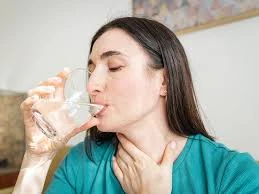
Breathing (through nose/lungs): Inhaling dangerous fumes or smoke
Absorption (through skin): Harmful chemicals soaking through skin
Injection (through needles): Putting substances directly into blood

Demonstration: Use safe examples to show these pathways:
- Drinking: Show proper vs. improper use of medicine
- Breathing: Discuss good air vs. smoky air
- Skin: Explain why we wash hands after touching cleaning products
- Injection: Only doctors should use needles for medicine
Difference Between Harmful Substances and Drugs:
Similarities:
- Both can damage health
- Both can be addictive
- Both can affect the brain
- Both require safety precautions
Differences:
- Harmful substances: Broader category including household items
- Drugs: Usually refers specifically to medicines and illegal substances
- Harmful substances: Include things not normally called “drugs”
- Context matters: Same substance can be helpful or harmful depending on use
Part b: categories of harmful substances
Category 1: Illegal Drugs (Review from Previous Weeks)
Examples:
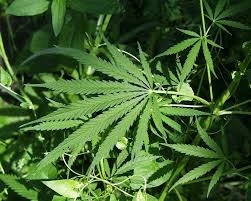
- Indian hemp (Marijuana/Igbo): Plant that people smoke
- Cocaine: White powder that damages the brain
- Heroin: Very dangerous drug usually injected

- Crystal meth: Chemical drug that destroys teeth and brain
Why They’re Harmful:
- Made to be addictive
- No medical benefits when used illegally
- Can cause immediate death
- Destroy families and communities
- Against the law
Category 2: Legal Substances Misused
Alcohol (Not for Children):
- What it is: Drinks like beer, wine, spirits
- Legal for adults: But still can be harmful
- Why dangerous for children:
- Damages developing brains
- Affects growth and learning
- Can cause immediate poisoning
- Changes behavior and judgment
Tobacco Products:
- Types: Cigarettes, cigars, chewing tobacco
- Contains nicotine: Highly addictive chemical
- Health effects:
- Lung cancer and breathing problems
- Heart disease
- Yellowed teeth and bad breath
- Premature aging
Prescription Medicines When Misused:
- Tramadol: Pain medicine that becomes dangerous when abused
- Codeine: Cough medicine that can be addictive
- Sleeping pills: Can be dangerous when taken without prescription
Category 3: Household Chemicals
Cleaning Products:
- Bleach: Used to clean toilets and whiten clothes
- Helpful use: Cleaning when used properly by adults
- Harmful use: Drinking it or mixing with other chemicals
- Dangers: Burns throat, damages lungs, can kill
- Toilet cleaners: Strong chemicals for bathroom cleaning
- Dangers: Burn skin and eyes, poisonous if swallowed
- Oven cleaners: Very strong chemicals
- Dangers: Severe burns, lung damage from fumes
Paint and Solvents:
- Paint thinner: Chemical used to thin paint
- Gasoline: Fuel for cars and machines
- Nail polish remover: Contains strong chemicals
- Why harmful: Can cause brain damage if inhaled, fire hazard
Pesticides and Chemicals:
- Insecticides: Chemicals to kill insects
- Rat poison: Chemicals to kill rodents
- Fertilizers: Some contain dangerous chemicals
- Why dangerous: Designed to kill living things, can poison humans
Category 4: Inhalants (Things People Breathe to Get High)
What Are Inhalants: Everyday products that people breathe in to feel different, but this is extremely dangerous.
Common Inhalants:
- Spray paint: Paint in aerosol cans
- Glue: Some types contain harmful solvents
- Markers: Permanent markers with strong chemicals
- Computer duster: Compressed air for cleaning computers
- Whipped cream dispensers: Contain nitrous oxide
Why Inhalants Are Extremely Dangerous:
- Sudden death: Can kill the very first time used
- “Sudden sniffing death syndrome”: Heart stops suddenly
- Brain damage: Immediate and permanent damage to brain cells
- Organ failure: Damages liver, kidneys, and heart
- Fire risk: Many are highly flammable
Important Safety Rule: These products are safe when used properly for their intended purpose, but become deadly when inhaled to get high.
Category 5: Synthetic and Unknown Substances
What Are Synthetic Drugs: Man-made chemicals designed to copy the effects of other drugs but avoid laws.
Examples:
- Synthetic marijuana: Fake marijuana with unknown chemicals
- “Bath salts”: Not real bath products, but dangerous drugs
- Designer drugs: New chemicals made in illegal labs
Why They’re Extra Dangerous:
- Unknown contents: Never know what chemicals are actually in them
- No quality control: Made in unsafe conditions
- Unpredictable effects: Can cause unexpected deadly reactions
- No medical research: Don’t know what they do to the body
PART C: REASONS WHY PEOPLE TAKE HARMFUL SUBSTANCES (10 minutes)
Understanding Why (This Helps Prevention)
Reason 1: Curiosity
- What it means: Wanting to know what something feels like
- How it starts: “I wonder what this does…”
- Why it’s dangerous: One time can cause addiction or death
- Prevention: Learn facts before curiosity leads to experimentation
Reason 2: Peer Pressure
- What it means: Friends or others pressuring you to try substances
- Common phrases: “Everyone is doing it,” “Just try it once,” “Don’t be scared”
- Why people give in: Want to fit in, fear of rejection
- Prevention: Strong refusal skills and good friend choices
Reason 3: Problems and Stress
- Family problems: Parents fighting, divorce, family member death
- School problems: Bad grades, bullying, feeling left out
- Personal problems: Low self-esteem, sadness, worry
- Why substances seem attractive: Promise to make problems go away temporarily
- Why this doesn’t work: Problems get worse, and substance use creates new problems
Reason 4: Escape from Reality
- What it means: Using substances to avoid dealing with difficult situations
- Examples: Using substances to forget about:
- Family stress
- School pressure
- Social rejection
- Physical or emotional pain
- Why it backfires: Reality is still there when substances wear off, plus new problems
Reason 5: False Information
- Lies people tell: “It’s natural so it’s safe,” “It’s not addictive,” “Everyone does it”
- Media influence: Movies and music that make substance use look cool
- Peer misinformation: Friends spreading wrong information
- Prevention: Learning facts from trusted, reliable sources
Reason 6: Easy Access
- At home: Finding parents’ medicine or alcohol
- In community: Areas where substances are easily available
- Through technology: Online sources or social media connections
- Prevention: Adults securing dangerous substances, community safety efforts
Reason 7: Self-Medication
- What it means: Using substances to treat physical or emotional problems without medical help
- Examples:
- Using alcohol for sadness
- Using stimulants for tiredness
- Using pain medicine for emotional hurt
- Why it’s dangerous: Wrong treatment can make problems worse
- Better solution: Getting proper medical or counseling help
Age-Appropriate Understanding for Children:
What Primary 2 Students Should Know:
- People make bad choices sometimes when they have problems
- Having problems doesn’t make substance use okay
- There are better ways to deal with problems
- Trusted adults can help with any problem
- Prevention is always better than trying to quit later
How to Help Others:
- Be a good friend: Support friends who make healthy choices
- Tell trusted adults: If you see someone using harmful substances
- Don’t judge: People with substance problems need help, not criticism
- Set good examples: Show others that you can have fun without substances
Class activities
Activity 1: “Substance Safety Detective”
Show pictures of different substances and have students identify:
- Is it helpful or harmful? (Many can be both)
- When is it safe to use? (By adults, for intended purpose, following safety rules)
- When does it become dangerous? (Wrong use, wrong person, wrong amount)
Examples:
- Medicine: Helpful when prescribed, harmful when misused
- Cleaning products: Helpful for cleaning, harmful if swallowed
- Gasoline: Helpful for cars, harmful if inhaled
Activity 2: “Reasons and Better Solutions” (6 minutes)
Present problems and discuss healthy vs. harmful solutions:
Problem: “Feeling sad about family problems”
- Harmful solution: Using substances to forget
- Better solutions: Talk to trusted adults, do enjoyable activities, help others
Problem: “Friends pressuring you to try something dangerous”
- Harmful solution: Give in to pressure
- Better solutions: Say no, find different friends, tell adults
Problem: “Feeling left out at school”
- Harmful solution: Try substances to fit in with different group
- Better solutions: Join positive activities, be kind to others, talk to family
Activity 3: “Safety Rules Chant”
Teach students this safety chant: 🎵 “If you don’t know what it is, don’t touch it! If it smells strange or strong, stay away! If someone offers unknown things, say NO! Tell a trusted adult right away!” 🎵
Assessment and review
Understanding Check:
- “What are harmful substances?” (Things that can hurt your body or mind)
- “Name one household chemical that can be dangerous” (Various answers: bleach, paint thinner, etc.)
- “Why might someone start using harmful substances?” (Various reasons: curiosity, pressure, problems)
- “What’s a better way to deal with problems than using substances?” (Talk to adults, get help, healthy activities)
Class exercise – week 8
Choose the correct answer (A, B, or C):
- What are harmful substances?
- A) Only illegal drugs
- B) Things that can hurt your body, mind, or both
- C) Only things that smell bad
- Which is an example of a household harmful substance?
- A) Clean drinking water
- B) Bleach and paint thinner
- C) Fresh vegetables
- Inhalants are dangerous because:
- A) They make you too happy
- B) They can cause sudden death and brain damage
- C) They are too expensive
- Which is a reason why people might use harmful substances?
- A) To become better students
- B) Curiosity and peer pressure
- C) To help their families
- Synthetic drugs are extra dangerous because:
- A) They are made from natural plants
- B) You never know what chemicals are in them
- C) They are prescribed by doctors
- Alcohol is harmful for children because:
- A) It helps them grow faster
- B) It damages developing brains and affects growth
- C) It makes them better at sports
- Which household product can be harmful if misused?
- A) Clean water and soap
- B) Gasoline and spray paint
- C) Books and toys
- Self-medication means:
- A) Going to the doctor for proper treatment
- B) Using substances to treat problems without medical supervision
- C) Taking vitamins every day
- People sometimes use harmful substances to escape from:
- A) Happy family celebrations
- B) Good grades and success
- C) Problems, stress, and difficult feelings
- The best way to deal with problems is:
- A) Using harmful substances to forget them
- B) Talking to trusted adults and getting proper help
- C) Keeping all problems secret
ANSWERS: 1-B, 2-B, 3-B, 4-B, 5-B, 6-B, 7-B, 8-B, 9-C, 10-B
This term's Social Studies topics
Basic 2 Third Term · 11 topics
- Elements of Culture
- The Importance of Culture in Nigeria
- Drugs
- Categories of Drugs Legal Drugs & Illegal Drugs
- Drug Abuse, Meaning, and Types
- Effects of Drug Abuse
- Ways of Preventing Drug Abuse
- Harmful Substances
- Ways of Preventing Intake of Harmful Substances
- Danger and Insecurity
- How to Keep Away from Danger
Third Term Social Studies Lesson Notes for Other Topics

Sources and Uses of Water III
Read the full lesson note.
Risk Factors in Food III
Read the full lesson note.
Risk Factors in Food
Read the full lesson note.
Risk Factors in Food II
Read the full lesson note.
Sources and Uses of Water II
Read the full lesson note.
Sources and Uses of Water
Read the full lesson note.
Concept of Insecurity
Read the full lesson note.

Concept of Security
Read the full lesson note.

Effects of Substance Abuse
Read the full lesson note.

Mode of Drug Use and Consequences
Read the full lesson note.
Sources of Drug Supply and Trafficking
Read the full lesson note.
Security Agencies and their Primary Duties
Read the full lesson note.
Simple First Aid Treatment
Read the full lesson note.
Objects Found in First Aid Box
Read the full lesson note.

Meaning of First Aid
Read the full lesson note.
Lesson Notes for Other Classes

Basic 1 Lesson Note
The complete lesson note to guide your studies.

Basic 3 Lesson Note
The complete lesson note to guide your studies.

Basic 4 Lesson Note
The complete lesson note to guide your studies.

Basic 5 Lesson Note
The complete lesson note to guide your studies.
Basic 6 Lesson Note
The complete lesson note to guide your studies.

JSS1 Lesson Note
The complete lesson note to guide your studies.

