Categories of Drugs Legal Drugs & Illegal Drugs – Basic 2 Social Studies Lesson Note (Third Term)
Download Lesson NoteTopic: Categories Of Drugs Legal Drugs & Illegal Drugs
Lesson note at a glance
- Subject
- Social Studies
- Class
- Basic 2
- Term
- Third Term
- Topic
- Categories of Drugs Legal Drugs & Illegal Drugs
- Order
- Topic 4 of 11 this term
- Reading time
- 8 min
Learning Objectives
By the end of this lesson, pupils should be able to:
- Categorize drugs into legal and illegal drugs
- List examples of legal drugs
- List examples of illegal drugs
Review: What We Learned About Drugs
Last week we learned that drugs are substances that can help us when sick or change how our body works. Today we will learn more about the different types of drugs.
Understanding Categories
What does “Category” mean? Category means putting things into groups based on what they have in common.
Example: We can put animals into categories:
- Farm animals: cow, goat, chicken
- Wild animals: lion, elephant, monkey
For Drugs: We put drugs into two main categories:
- Legal drugs (allowed by law)
- Illegal drugs (not allowed by law)
LEGAL DRUGS (Allowed Drugs)
Legal drugs are substances that the government and doctors say are okay for some people to use when used properly.
Category 1: Prescription Medicines
What they are: Medicines that only doctors can give to patients.
Examples of Prescription Medicines:
- Antibiotics: Like Amoxicillin, Ampicillin (for serious infections)
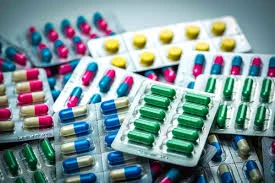
- Strong pain medicines: For severe pain
- Blood pressure medicine: For adults with heart problems
- Diabetes medicine: For people with sugar disease
- Injections: Vaccines, tetanus shots

- Hospital medicines: Given during operations
Important Rules:
- Only doctors can decide who needs them
- You need a paper from the doctor (prescription) to buy them
- Pharmacists check the doctor’s paper before giving them
- Taking someone else’s prescription medicine is dangerous
Category 2: Over-the-Counter Medicines
What they are: Medicines that parents can buy without seeing a doctor first.
Examples of Over-the-Counter Medicines:
- Pain and fever medicines: Paracetamol (Panadol), Ibuprofen
- Cough medicines: Cough syrups like Benylin
- Cold medicines: For runny nose and sneezing
- Vitamins: Vitamin C, multivitamins
- Antiseptics: Dettol, hydrogen peroxide for cleaning cuts
- Eye drops: For minor eye irritation
- Stomach medicines: For mild stomach upset
Important Rules:
- Parents should read the instructions carefully
- Follow the dosage (amount) written on the container
- Check expiry dates before using
- Ask pharmacist questions if unsure
Category 3: Age-Restricted Legal Substances
What they are: Substances that are legal for adults but not for children.
Examples (NOT for children):
- Alcohol: Beer, wine, spirits – only for adults 18 and above
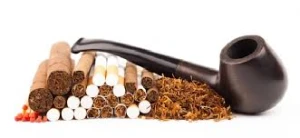
- Tobacco/Cigarettes: Only adults can legally buy them
- Some strong medicines: Only for adults due to side effects
Why children cannot use them:
- They can harm developing bodies and brains
- They can affect growth and learning
- They are addictive (hard to stop using)
- They can cause serious health problems
ILLEGAL DRUGS (Not Allowed Drugs)
Illegal drugs are substances that the government says no one should use because they are very dangerous.
Category 1: Plant-Based Illegal Drugs
Indian Hemp (Marijuana/Weed/Igbo):
- What it is: A plant that people dry and smoke
- Other names: Weed, ganja, marijuana, igbo
- Why it’s dangerous: Damages the brain, affects memory and learning
- Legal status: Completely illegal in Nigeria
Cocaine:
- What it is: White powder made from coca plant
- Why it’s dangerous: Very addictive, can cause heart attack and death
- Legal status: Completely illegal everywhere
Khat:
- What it is: Leaves that people chew
- Why it’s dangerous: Affects the mind and can cause mental problems
- Legal status: Illegal in many places including Nigeria
Category 2: Chemical-Based Illegal Drugs
Heroin:
- What it is: Very dangerous drug usually injected
- Why it’s dangerous: Extremely addictive, causes death quickly
- Legal status: Completely illegal worldwide
Methamphetamine (Mkpuru mmiri):
- What it is: Chemical drug that looks like small crystals
- Why it’s dangerous: Destroys teeth, brain, and body quickly
- Legal status: Completely illegal
Ecstasy:
- What it is: Pills that people take at parties
- Why it’s dangerous: Can cause immediate death, overheating
- Legal status: Completely illegal
Category 3: Misused Legal Medicines (When Used Wrongly)
Tramadol:
- When legal: When doctor prescribes it for severe pain
- When illegal: When people take it without prescription or take too much
- Why dangerous when misused: Very addictive, can cause death
Codeine:
- When legal: In proper cough syrups with doctor’s supervision
- When illegal: When people abuse cough syrup to get high
- Why dangerous when misused: Addictive, damages liver and brain
Rohypnol:
- When legal: Hospital use only for surgery
- When illegal: When used to make people unconscious for crime
- Why dangerous: Used for bad purposes, very dangerous
How to Identify Legal vs. Illegal Drugs
Legal Drugs Have These Features:
- Proper packaging: Professional boxes, bottles with labels
- Clear instructions: Directions on how to use them
- Expiry dates: Date showing when they expire
- Company information: Name of company that made them
- Sold in proper places: Pharmacies, hospitals, licensed shops
- Government approval: NAFDAC number on the package
- Price tags: Clearly marked prices
Illegal Drugs Often Have These Features:
- No proper packaging: Wrapped in papers, plastic bags, or unmarked containers
- No instructions: No information on how much to take
- No expiry dates: Don’t know if they’re safe or expired
- Hidden sales: Sold secretly in dark places
- Expensive: Cost much more than regular medicine
- No government approval: No NAFDAC number
- Sold by suspicious people: Not trained pharmacists or doctors
Where to Get Legal Drugs Safely
Safe Places for Legal Drugs:
- Government hospitals: Federal, state, local government hospitals
- Private hospitals: Licensed private medical facilities
- Registered pharmacies: Shops with trained pharmacists
- Clinics: Licensed medical clinics
- Health centers: Community health facilities
- Licensed medicine stores: Shops with permits to sell medicine
Signs of Safe Medicine Sellers:
- Have certificates on the wall
- Pharmacist wears white coat with name tag
- Ask questions about your symptoms
- Give you receipt when you buy medicine
- Store medicines properly (not in heat or sunlight)
- Check expiry dates before selling
Where Illegal Drugs Come From (Places to Avoid)
Dangerous Places:
- Street corners: People selling drugs on streets
- Abandoned buildings: Empty houses, unfinished buildings
- Dark alleys: Hidden pathways between buildings
- Bars and nightclubs: Places where adults drink alcohol
- Online sellers: People selling drugs on internet
- School premises: Students or strangers near schools
Warning Signs of Drug Dealers:
- Act secretive and look around nervously
- Want to meet you in hidden places
- Don’t want parents or teachers to know
- Have lots of money but no clear job
- Try to make friends quickly then offer drugs
- Say drugs are “safe” or “natural”
Legal Consequences of Drug Categories
For Legal Drugs (When Used Properly):
- No punishment
- Encouraged for health
- Insurance may cover costs
- Doctors support their use
For Illegal Drugs:
- Arrest by police
- Prison sentences
- Large fines
- Criminal record
- Expelled from school
- Lost job opportunities
- Family shame and disappointment
Why the Law Makes These Categories
Legal Drugs Are Legal Because:
- Medical benefits: They help people get better
- Tested for safety: Scientists have studied them
- Controlled use: Doctors monitor how they’re used
- Regulated quality: Government checks they’re made properly
- Proven helpful: Years of experience show they work
Illegal Drugs Are Illegal Because:
- No medical benefit: They don’t help with any sickness
- Very dangerous: They can kill people
- Addictive: People can’t stop using them
- Cause crime: Users often steal to buy drugs
- Destroy families: Break up families and communities
- Expensive for society: Cost government money for treatment and crime
Special Cases: Medicines That Can Become Illegal
Some legal medicines become illegal when:
- Used without prescription: Taking doctor’s medicine without being prescribed
- Taking too much: Using more than the recommended amount
- Giving to others: Sharing your prescription with friends
- Selling prescription medicine: Making money from medicine meant for you
- Using expired medicine: Taking medicine past its expiry date
International vs. Local Laws
In Nigeria:
- Alcohol: Legal for adults 18 and above
- Tobacco: Legal for adults but with restrictions
- Indian hemp: Completely illegal
- All hard drugs: Completely illegal
In Other Countries (Examples):
- Some countries allow marijuana for medicine
- Some countries have different alcohol age limits
- All countries ban dangerous drugs like heroin and cocaine
Important: In Nigeria, follow Nigerian laws regardless of what other countries do.
CLASS EXERCISE – WEEK 3
Choose the correct answer (A, B, or C):
- Legal drugs are divided into how many main categories?
- A) Two categories
- B) Three categories
- C) Five categories
- Which is an example of prescription medicine?
- A) Paracetamol you buy without doctor’s paper
- B) Antibiotics that require doctor’s prescription
- C) Vitamins from the pharmacy
- Over-the-counter medicines are:
- A) Medicines only doctors can give
- B) Medicines parents can buy without seeing doctor first
- C) Illegal drugs
- Which is completely illegal in Nigeria?
- A) Paracetamol
- B) Vitamins
- C) Indian hemp
- Age-restricted legal substances include:
- A) Paracetamol and vitamins
- B) Alcohol and cigarettes
- C) Antibiotics and cough syrup
- Where should you buy legal medicines?
- A) From strangers on the street
- B) From registered pharmacies and hospitals
- C) From friends at school
- Illegal drugs are dangerous because they:
- A) Help people get better
- B) Can kill people and are very addictive
- C) Are approved by doctors
- What should legal medicine containers have?
- A) No labels or information
- B) Proper labels, expiry dates, and NAFDAC numbers
- C) Only the color of the medicine
- Tramadol becomes illegal when:
- A) Doctors prescribe it for severe pain
- B) People take it without prescription or abuse it
- C) It is sold in pharmacies
- Why does the government make some drugs illegal?
- A) Because they are too expensive
- B) Because they are very dangerous and have no medical benefits
- C) Because they taste bad
Answers: 1-B, 2-B, 3-B, 4-C, 5-B, 6-B, 7-B, 8-B, 9-B, 10
This term's Social Studies topics
Basic 2 Third Term · 11 topics
- Elements of Culture
- The Importance of Culture in Nigeria
- Drugs
- Categories of Drugs Legal Drugs & Illegal Drugs
- Drug Abuse, Meaning, and Types
- Effects of Drug Abuse
- Ways of Preventing Drug Abuse
- Harmful Substances
- Ways of Preventing Intake of Harmful Substances
- Danger and Insecurity
- How to Keep Away from Danger
Third Term Social Studies Lesson Notes for Other Topics

Sources and Uses of Water III
Read the full lesson note.
Risk Factors in Food III
Read the full lesson note.
Risk Factors in Food
Read the full lesson note.
Risk Factors in Food II
Read the full lesson note.
Sources and Uses of Water II
Read the full lesson note.
Sources and Uses of Water
Read the full lesson note.
Concept of Insecurity
Read the full lesson note.

Concept of Security
Read the full lesson note.

Effects of Substance Abuse
Read the full lesson note.

Mode of Drug Use and Consequences
Read the full lesson note.
Sources of Drug Supply and Trafficking
Read the full lesson note.
Security Agencies and their Primary Duties
Read the full lesson note.
Simple First Aid Treatment
Read the full lesson note.
Objects Found in First Aid Box
Read the full lesson note.

Meaning of First Aid
Read the full lesson note.
Lesson Notes for Other Classes

Basic 1 Lesson Note
The complete lesson note to guide your studies.

Basic 3 Lesson Note
The complete lesson note to guide your studies.

Basic 4 Lesson Note
The complete lesson note to guide your studies.
Basic 5 Lesson Note
The complete lesson note to guide your studies.
Basic 6 Lesson Note
The complete lesson note to guide your studies.

JSS1 Lesson Note
The complete lesson note to guide your studies.