
Grassland SS1 Biology Lesson Note
Download Lesson NoteTopic: Grassland
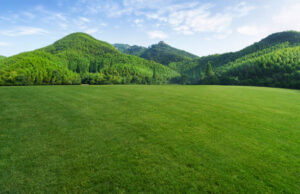
GRASSLAND [SAVANNA]
This is a plant community in which grass species are dominant, but trees and shrubs may be present.
CHARACTERISTICS OF GRASSLAND
- Temperature is usually high and sunshine is intense.
- The relative humidity is low and rainfall scanty (60 – 150cm annual rainfall).
- Abundant grassland with few short trees sparsely distributed
- Bush fire is frequent and trees are fire resistant
- Deciduous plants (plants that shed their leaves in dry seasons) are present.
- Plants possess underground stems and deep roots to search for water
- Trees have modified leaves for adaptation to the environment
TYPES OF SAVANNA
There are four major types of savanna in Nigeria, namely;
- Southern Guinea savanna
- Northern Guinea savanna
- Sudan savanna
- Sahel savanna
- The Southern Guinea savanna is the largest biome in Nigeria
PLANTS DISTRIBUTION AND ADAPTATION IN GRASSLANDS
The grassland plants include acacia, elephant grass, guinea grass, spear grass, palms, baobab trees etc. Their adaptive features include:
- Trees have thick corky barks to resist severe fire
- Grasses with underground stems to escape fire and drought
- Leaves with waxy surface in addition to cuticle covering to reduce transpiration
- Reduced or small leaves to reduce transpiration
- Presence of curly leaves to conserve water
- Leaves fall (deciduous) in the drying season to conserve water
- Baobab trees have broad and succulent leaves to conserve water
ANIMALS DISTRIBUTION AND ADAPTATION IN A FOREST
Animals found in the forest include antelopes, elephants, giraffes, zebras, goats, cattle, grasshoppers, lizards, birds, lions, tigers, leopards, rats, snakes, grass cutters, kangaroos e.t.c. They adapt to this habitat in the following ways:
- Termites lived in air-conditioned nests called anthills for cooling the animals.
- Rats burrow into the soil to avoid excessive heat and fire
- Zebras and giraffes can camouflage using their colours.
- Lions, tigers and leopards have powerful claws and teeth for attacking animals.
- Kangaroos have long legs to help them escape from danger and also have pockets of flesh to shield their young ones from hot weather and attacks.
- Elephants and lions move in groups or herds to achieve strength in number
FOOD CHAINS IN GRASSLAND
There are several food chains due to numerous animals
- Grass → grasshoppers→ lizards → snakes
- Grass → grasshoppers → toads → birds
- Grass → zebras → lions

First Term Biology Lesson Notes for Other Topics
Reproduction
Explore lesson notes covering all topics.

Movement
Explore lesson notes covering all topics.

Some Properties And Functions Of The Cell III
Explore lesson notes covering all topics.

Some Properties And Functions Of The Cell II
Explore lesson notes covering all topics.

Some Properties And Functions Of The Cell
Explore lesson notes covering all topics.

The Cell And It's Environment
Explore lesson notes covering all topics.

The Cell
Explore lesson notes covering all topics.
Classification Of Living Things I
Explore lesson notes covering all topics.
Recognizing Living Things
Explore lesson notes covering all topics.
Science Of Living Things
Explore lesson notes covering all topics.

Regulation Of Internal Environment II
Explore lesson notes covering all topics.

Peripheral Nervous System
Explore lesson notes covering all topics.

Sense Organ
Explore lesson notes covering all topics.

The Eye
Explore lesson notes covering all topics.
Genetics
Explore lesson notes covering all topics.


Lesson Notes for Other Classes
JSS1 Lesson Note
The complete lesson note to guide your studies.

JSS2 Lesson Note
The complete lesson note to guide your studies.

SS2 Lesson Note
The complete lesson note to guide your studies.

SS3 Lesson Note
The complete lesson note to guide your studies.