
Concept of Valuing Nigeria Goods Basic 6 Civic Education Lesson Note
Download Lesson NoteTopic: Concept of Valuing Nigeria Goods
Learning Objectives: By the end of the lesson, pupils should be able to:
- Explain the concept of valuing Nigerian goods
- Identify some Nigerian-made goods
- Analyze the worth and value of Nigerian goods
Lesson Content:
What Does “Valuing Nigerian Goods” Mean? Valuing Nigerian goods means:
- Appreciating products made in Nigeria
- Recognizing the quality and importance of local products
- Preferring Nigerian-made items over foreign ones when possible
- Supporting Nigerian manufacturers and producers
- Being proud of what our country produces
Examples of Nigerian-Made Goods:
Agricultural Products:
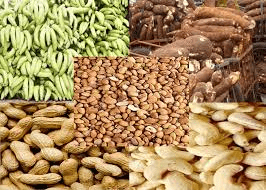
- Palm oil, groundnut oil, coconut oil
- Rice, yam, cassava, plantain
- Cocoa, coffee, kola nuts
- Cotton, rubber
Industrial Products:

- Dangote cement
- Nigerian-made textiles and clothes
- Indomie noodles (made in Nigeria)

- Peak milk, Three Crowns milk
- Nigerian-made soaps and detergents
Natural Resources:

- Crude oil and petroleum products
- Natural gas
- Solid minerals (tin, coal, limestone)

Worth and Value of Nigerian Goods:
- They are often cheaper than imported goods
- They provide employment for Nigerians
- They help our economy grow
- Many are of good quality
- They use local raw materials
- They represent our culture and identity
Multiple Choice Questions:
- Valuing Nigerian goods means: a) Buying only foreign products b) Appreciating products made in Nigeria c) Ignoring local products d) Preferring imported goods
- Which of these is a Nigerian-made product? a) Dangote cement b) All foreign cars c) All imported rice d) All foreign clothes
- Palm oil is an example of Nigerian: a) Imported product b) Agricultural product c) Foreign product d) Artificial product
- Nigerian goods are valuable because they: a) Are always expensive b) Come from other countries c) Provide jobs for Nigerians d) Are difficult to find
- Which industry uses Nigerian cotton? a) Oil industry b) Textile industry c) Mining industry d) Banking industry
Answers: 1-b, 2-a, 3-b, 4-c, 5-b
Homework:
- Make a list of 10 Nigerian-made products in your home
- Ask your parents about three Nigerian products they prefer and why
- Draw and label five Nigerian agricultural products
First Term Civic Education Lesson Notes for Other Topics

Ways Through Which Civic Education Can Be Important at Home
Explore lesson notes covering all topics.

Meaning of Civic Education
Explore lesson notes covering all topics.

Ways Through Which Civic Education can be Important at School
Explore lesson notes covering all topics.

Ways Through Which Civic Education can be Important - The Media
Explore lesson notes covering all topics.

Ways Through Which Civic Education Can be Important to the Society
Explore lesson notes covering all topics.

Good Virtues
Explore lesson notes covering all topics.

Values that Show Good Morals in Our Society
Explore lesson notes covering all topics.

Public Health Enlightenment
Explore lesson notes covering all topics.

Values that Show Bad Morals in Our Society
Explore lesson notes covering all topics.

National Honors Award
Explore lesson notes covering all topics.

National Heroes and Heroines
Explore lesson notes covering all topics.

Reasons for National Honors Award
Explore lesson notes covering all topics.

Reasons for Valuing Nigeria Goods and Examples
Explore lesson notes covering all topics.

Benefits of Patronizing Nigerian Goods
Explore lesson notes covering all topics.

Challenges Facing Nigerian Goods
Explore lesson notes covering all topics.
Lesson Notes for Other Classes

Basic 1 Lesson Note
The complete lesson note to guide your studies.

Basic 2 Lesson Note
The complete lesson note to guide your studies.

Basic 3 Lesson Note
The complete lesson note to guide your studies.

Basic 4 Lesson Note
The complete lesson note to guide your studies.

Basic 5 Lesson Note
The complete lesson note to guide your studies.

JSS1 Lesson Note
The complete lesson note to guide your studies.