Concept of Moderation – Basic 6 Civic Education Lesson Note (Second Term)
Download Lesson NoteLesson note at a glance
- Subject
- Civic Education
- Class
- Basic 6
- Term
- Second Term
- Topic
- Concept of Moderation
- Order
- Topic 8 of 9 this term
- Reading time
- 4 min
Learning Objectives: By the end of the lesson, pupils should be able to:
- Define moderation
- Explain the meaning of moderation
- State the characteristics of moderation
Lesson Content:
What is Moderation? Moderation is the practice of avoiding extremes and maintaining balance in all aspects of life. It means not having too much or too little of anything, but finding the middle ground that is reasonable, healthy, and sustainable.
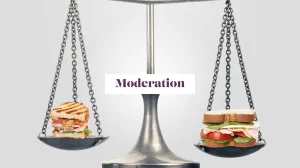
Why Moderation is Important:
- Maintains good health and well-being
- Prevents problems caused by excess
- Creates balanced and stable life
- Promotes fairness and justice
- Leads to lasting happiness and success
- Builds self-discipline and wisdom
Characteristics of Moderation:
- BALANCE IN LIFESTYLE Meaning: Maintaining equilibrium between different aspects of life without going to extremes.
Examples:
- Balancing study time with play time
- Eating both nutritious foods and occasional treats
- Spending money wisely, not too much or being too stingy
- Having time for work and time for rest
- Balancing time with friends and time with family
How to Practice:
- Create daily schedules that include various activities
- Set limits for entertainment and leisure
- Plan time for responsibilities and fun
- Monitor your habits to ensure balance
- Adjust activities when one area dominates
Benefits:
- Prevents burnout and exhaustion
- Maintains good relationships
- Improves overall health
- Creates sustainable habits
- Leads to well-rounded development
- SELF-RESTRAINT AND DISCIPLINE Meaning: Having the ability to control yourself and not indulge excessively in pleasures or desires.
Examples:
- Eating reasonable portions instead of overeating
- Playing games for limited time instead of all day
- Spending pocket money wisely instead of wasting it
- Watching TV for reasonable hours
- Socializing appropriately without neglecting duties
How to Practice:
- Set personal limits and stick to them
- Ask yourself “Is this enough?” before continuing
- Practice saying “no” to excess
- Develop willpower through small daily choices
- Seek accountability from trusted friends or family
Benefits:
- Develops strong character
- Prevents addiction and dependency
- Maintains good health
- Builds respect from others
- Creates self-confidence
- AVOIDING EXTREMES Meaning: Staying away from “too much” or “too little” in thoughts, actions, and emotions.
Examples:
- Not being too strict or too lenient as a leader
- Not being overly excited or overly sad about situations
- Not working too hard or being too lazy
- Not being too generous or too selfish
- Not being overly trusting or overly suspicious
How to Practice:
- Think before reacting strongly to situations
- Consider multiple perspectives before forming opinions
- Seek advice when tempted to go to extremes
- Practice patience and gradual change
- Learn from examples of balanced people
Benefits:
- Makes better decisions
- Maintains stable relationships
- Creates peaceful environment
- Prevents conflicts and problems
- Builds wisdom and maturity
- REASONABLE EXPECTATIONS Meaning: Having realistic and fair expectations of yourself and others, not expecting perfection or accepting poor standards.
Examples:
- Expecting good effort from classmates, not perfection
- Setting achievable goals for yourself
- Understanding that learning takes time
- Being patient with gradual improvement
- Accepting that everyone has strengths and weaknesses
How to Practice:
- Set realistic goals based on your abilities
- Celebrate small progress and improvements
- Don’t compare yourself harshly to others
- Understand that mistakes are part of learning
- Appreciate effort as much as results
Benefits:
- Reduces stress and anxiety
- Encourages continued effort
- Builds healthy relationships
- Promotes personal growth
- Creates positive learning environment
- FAIR AND JUST BEHAVIOR Meaning: Acting in ways that are fair to everyone involved, not favoring one extreme over another.
Examples:
- Sharing equally among friends
- Listening to all sides before making judgments
- Giving everyone a chance to participate
- Applying rules consistently to everyone
- Being neither too harsh nor too lenient when resolving conflicts
How to Practice:
- Consider how your actions affect everyone involved
- Ask “Is this fair to all parties?”
- Seek to understand different viewpoints
- Apply the same standards to yourself and others
- Look for solutions that benefit everyone
Benefits:
- Builds trust and respect
- Creates harmonious relationships
- Promotes justice and equality
- Prevents favoritism and discrimination
- Establishes good reputation
Multiple Choice Questions:
- Moderation means: a) Always choosing extremes b) Avoiding balance in life c) Finding the middle ground and avoiding extremes d) Never making any choices
- Balance in lifestyle involves: a) Spending all time on one activity b) Maintaining equilibrium between different life aspects c) Avoiding all responsibilities d) Only focusing on fun activities
- Self-restraint means: a) Never enjoying anything b) Having the ability to control yourself and not indulge excessively c) Always doing whatever you want d) Avoiding all pleasures
- Reasonable expectations involve: a) Expecting perfection from everyone b) Having no expectations at all c) Having realistic and fair expectations d) Accepting poor standards always
- Fair and just behavior means: a) Always favoring your friends b) Acting in ways that are fair to everyone involved c) Being harsh to everyone d) Avoiding all decisions
Answers: 1-c, 2-b, 3-b, 4-c, 5-b
Homework:
- Keep a daily log for one week showing how you practice moderation in eating, playing, and studying
- Identify one area of your life where you need more balance and create a plan to improve it
- Give examples of how moderation can help solve problems in your school or community
This term's Civic Education topics
Basic 6 Second Term · 9 topics
Second Term Civic Education Lesson Notes for Other Topics
Food Safety
Read the full lesson note.

Rules and Regulations
Read the full lesson note.
Gains of Obeying
Read the full lesson note.

Results of Disobeying Rules and Regulations
Read the full lesson note.
Importance of School Rules and Regulations
Read the full lesson note.
Why Rules and Regulations are Necessary
Read the full lesson note.

Results of Not Obeying Government Rules and Regulations
Read the full lesson note.

Obedience
Read the full lesson note.
Types of Values that Promote Peace - Part II
Read the full lesson note.

Concept of Cooperation
Read the full lesson note.
Concept of Tolerance
Read the full lesson note.
Concept of Forgiveness
Read the full lesson note.
Concept of Self-control
Read the full lesson note.
Concept of Compassion
Read the full lesson note.
Revision and Concept of National Values
Read the full lesson note.
Lesson Notes for Other Classes

Basic 1 Lesson Note
The complete lesson note to guide your studies.

Basic 2 Lesson Note
The complete lesson note to guide your studies.

Basic 3 Lesson Note
The complete lesson note to guide your studies.

Basic 4 Lesson Note
The complete lesson note to guide your studies.

Basic 5 Lesson Note
The complete lesson note to guide your studies.

JSS1 Lesson Note
The complete lesson note to guide your studies.