Vehicles, Volleyball and Information – Basic 4 Basic Science Lesson Note (Third Term)
Download Lesson NoteLesson note at a glance
- Subject
- Basic Science
- Class
- Basic 4
- Term
- Third Term
- Topic
- Vehicles, Volleyball and Information
- Order
- Topic 3 of 7 this term
- Reading time
- 4 min
VEHICLES
Class: Primary 4
Duration: 30 minutes
Subject: Social Studies
Learning Objectives
By the end of this lesson, pupils will be able to:
- Define what a vehicle is
- Name different types of vehicles
- Identify external parts of a vehicle
- List uses and disadvantages of vehicles
What is a Vehicle?
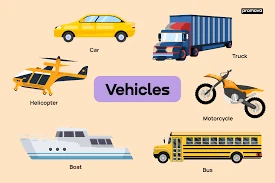
A vehicle is a machine that carries people or things from one place to another. Vehicles help us move faster and carry heavy loads.
Different Types of Vehicles
- Land Vehicles

- Cars – for families
- Buses – for many people
- Trucks – for carrying goods
- Motorcycles – for two people
- Bicycles – powered by pedaling
- Water Vehicles
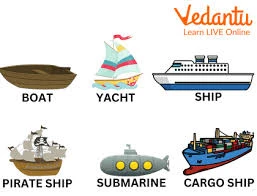
- Ships – big boats for ocean travel
- Boats – smaller water transport
- Canoes – simple water vehicles
- Air Vehicles

- Airplanes – fly in the sky
- Helicopters – can hover and land anywhere
External Parts of a Vehicle (Using a Car)
- Wheels – help the car move
- Doors – for getting in and out
- Windows – for seeing outside
- Headlights – for seeing at night
- Bumpers – protect the car
- Mirrors – help driver see behind
- Roof – covers the top
Uses of Vehicles
- Transportation – moving people and goods
- Emergency services – ambulances, fire trucks
- Work – construction trucks, delivery vans
- Recreation – family trips and fun rides
- Commerce – buying and selling goods
Disadvantages of Vehicles
- Air pollution – vehicles release harmful gases
- Traffic jams – too many vehicles cause delays
- Accidents – vehicles can be dangerous
- Noise pollution – vehicles make loud sounds
- Cost – vehicles are expensive to buy and maintain
Simple Activity
Draw a car and label 3 external parts you can see.
Evaluation
- What is a vehicle?
- Name two types of water vehicles
- Give two uses of vehicles
- What is one disadvantage of vehicles?
Volleyball skills
Class: Primary 4
Duration: 30 minutes
Subject: Physical and Health Education
Learning Objectives
By the end of this lesson, pupils will be able to:
- Identify basic volleyball skills
- Demonstrate simple volleyball movements
- Understand when to use each skill
What is Volleyball?

Volleyball is a team sport where two teams hit a ball over a net using their hands. The goal is to make the ball touch the ground on the other team’s side.
Volleyball Skills
- Digging

What it is: Stopping a ball that is coming fast and low
- Use both arms together
- Keep arms straight
- Bend knees and get low
- Hit ball with forearms
- Used to save hard hits
- Volleying
What it is: Hitting the ball up in the air with fingertips
- Use fingertips, not palms
- Keep hands above head
- Push ball gently upward
- Keep ball in play
- Most basic skill
- Setting
What it is: Preparing the ball for a teammate to attack
- Use fingertips to push ball up
- Make ball go high and soft
- Place ball near the net
- Help teammate spike
- Very important teamwork skill
- Smashing
What it is: Hitting the ball down hard into opponent’s court
- Jump up high
- Hit ball with palm
- Hit down toward ground
- Use full arm swing
- Powerful attacking move
- Spiking
What it is: Jumping and hitting ball down hard (same as smashing)
- Run and jump
- Hit ball at highest point
- Aim for empty spaces
- Use strong arm swing
- Most exciting skill
Important Tips
- Keep eyes on the ball
- Work as a team
- Practice makes perfect
- Stay ready and alert
- Have fun while playing
Simple Activity
Practice hitting a soft ball upward using only your fingertips.
Evaluation
- What is volleyball?
- Which skill uses forearms to stop fast balls?
- What is the difference between volleying and spiking?
- When do you use setting?
INFORMATION
Class: Primary 4
Duration: 30 minutes
Subject: Computer Studies
Learning Objectives
By the end of this lesson, pupils will be able to:
- Explain what information means
- List uses of information
- Identify types of information
What is Information?
Information is knowledge or facts that we get from data. It is processed data that helps us understand something or make decisions.
Examples of information:
- Weather report telling us it will rain
- School timetable showing class periods
- News about what happened yesterday
- Your report card showing your grades
Uses of Information
Information helps us to:
- Learn new things (reading books, watching educational videos)
- Make decisions (choosing what clothes to wear based on weather)
- Solve problems (finding directions to a place)
- Stay updated (knowing current events)
- Communicate (sharing news with friends)
- Plan activities (organizing school events)
Types of Information
- Written Information
- Books and newspapers
- Letters and messages
- Signs and notices
- Reports and documents
- Spoken Information
- Radio and TV news
- Teacher’s explanations
- Phone conversations
- Announcements
- Visual Information
- Pictures and drawings
- Maps and charts
- Videos and movies
- Symbols and signs
- Digital Information
- Computer files
- Internet websites
- Text messages
Simple Activity
Look around and find 3 different types of information in your classroom.
Evaluation
- What is information?
- Give two uses of information
- Name two types of information
This term's Basic Science topics
Basic 4 Third Term · 7 topics
- Shape Construction with Wood or Metal, Athletics, Data Processing
- Types of Building, Relay Skills, and Information
- Vehicles, Volleyball and Information
- Food (Classes and Use), Pathogens and Diseases, and Microsoft Powerpoint
- Harmful Foods, Spread of Diseases, Launching of Microsoft
- The Digestive System & Disease Preventive Measures
- Human Body (The Mouth), Drug Education, and Search Programming
Third Term Basic Science Lesson Notes for Other Topics
Simple Machines
Read the full lesson note.
Simple Machines - The Safe Use of Simple Machines
Read the full lesson note.
Concept of Technology
Read the full lesson note.
Technology in Home - Electric Gadgets
Read the full lesson note.
Technology in Transportation - Land and Air
Read the full lesson note.
What Is Water Transportation?
Read the full lesson note.
Exploring Your Environment I
Read the full lesson note.
Exploring Your Environment II
Read the full lesson note.

Exploring Your Environment III
Read the full lesson note.
Animals - As Living Things (Characteristics)
Read the full lesson note.

Uses of Animals
Read the full lesson note.
Meaning and Characteristics of Plants
Read the full lesson note.

Meaning and Characteristics of Animals
Read the full lesson note.
Plants - As Living Things II
Read the full lesson note.
Uses of Plants
Read the full lesson note.
Lesson Notes for Other Classes

Basic 1 Lesson Note
The complete lesson note to guide your studies.
Basic 2 Lesson Note
The complete lesson note to guide your studies.
Basic 3 Lesson Note
The complete lesson note to guide your studies.
Basic 5 Lesson Note
The complete lesson note to guide your studies.
Basic 6 Lesson Note
The complete lesson note to guide your studies.

JSS1 Lesson Note
The complete lesson note to guide your studies.