
Types of Building, Relay Skills, and Information – Basic 4 Basic Science Lesson Note (Third Term)
Download Lesson NoteLesson note at a glance
- Subject
- Basic Science
- Class
- Basic 4
- Term
- Third Term
- Topic
- Types of Building, Relay Skills, and Information
- Order
- Topic 2 of 7 this term
- Reading time
- 3 min
Types of building
Class: Primary 4
Duration: 30 minutes
Subject: Social Studies
Learning Objectives
By the end of this lesson, pupils will be able to:
- Define what a building is
- List materials needed for building
- Identify different types of buildings
What is a Building?
A building is a structure with walls and a roof that people use for different purposes. Buildings protect us from weather and provide space for activities.
Materials Needed for Building
- Cement – holds blocks together

- Blocks – for walls

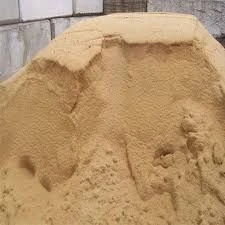
- Sand – mixed with cement
- Iron rods – make building strong

- Roofing sheets – cover the top

- Wood – for doors and windows

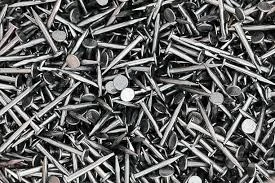
- Nails – join wood pieces
- Paint – make building beautiful
Types of Buildings
- Special Buildings
Buildings made for specific important purposes:
- Hospitals – for treating sick people
- Schools – for learning
- Banks – for keeping money safe
- Hotels – for visitors to sleep
- Public Buildings
Buildings that serve the whole community:
Religious Buildings
- Churches – for Christians to worship
- Mosques – for Muslims to pray
- Temples – for other religious worship
Government Buildings
- Court house – where judges work
- Prison – where criminals are kept
- Police station – where police work
Community Buildings
- Market – where people buy and sell
- Library – for reading books
- Post office – for sending letters
Simple Activity
Draw your house and name three materials used to build it.
Evaluation
- What is a building?
- Name three materials needed for building
- Give two examples of religious buildings
Relay skills
Class: Primary 4
Duration: 30 minutes
Subject: Physical and Health Education
Learning Objectives
By the end of this lesson, pupils will be able to:
- Hold the baton properly
- Demonstrate take-off position
- Perform non-visual take over
- Exchange baton correctly
What is a Baton?
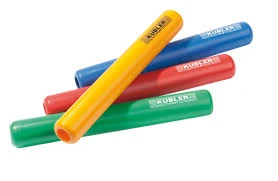
A baton is a short stick that runners pass to each other in relay races.
Relay Skills
- Baton Grip
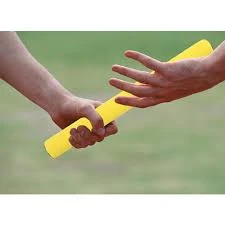
How to hold the baton:
- Hold baton like a pencil
- Use thumb and fingers
- Grip firmly but not too tight
- Hold at the bottom end
- Keep hand relaxed
- Take Off
Starting position:
- Stand ready in lane
- Watch for incoming runner
- Bend knees slightly
- Lean forward a little
- Get ready to run fast
- Non-Visual Take Over
Receiving without looking back:
- Keep eyes looking forward
- Listen for teammate’s voice
- Put hand back to receive baton
- Don’t turn around to look
- Trust your teammate
- Exchange
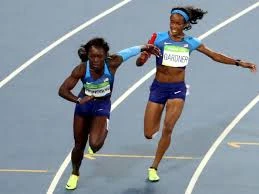
Passing the baton:
- Run close to teammate
- Shout “Hand!” or “Go!”
- Place baton in teammate’s hand
- Pass from bottom to top
- Keep running until baton is safely passed
Important Tips
- Practice makes perfect
- Stay in your lane
- Don’t drop the baton
- Communicate with your team
- Run smoothly, don’t rush
Simple Activity
Practice passing a stick to your partner while walking slowly.
Evaluation
- How should you hold a baton?
- What should you do during non-visual take over?
- What should you shout when passing the baton?
INFORMATION
Class: Primary 4
Duration: 30 minutes
Subject: Computer Studies
Learning Objectives
By the end of this lesson, pupils will be able to:
- Explain what information means
- List uses of information
- Identify types of information
What is Information?
Information is knowledge or facts that we get from data. It is processed data that helps us understand something or make decisions.
Examples of information:
- Weather report telling us it will rain
- School timetable showing class periods
- News about what happened yesterday
- Your report card showing your grades
Uses of Information
Information helps us to:
- Learn new things (reading books, watching educational videos)
- Make decisions (choosing what clothes to wear based on weather)
- Solve problems (finding directions to a place)
- Stay updated (knowing current events)
- Communicate (sharing news with friends)
- Plan activities (organizing school events)
Types of Information
- Written Information
- Books and newspapers
- Letters and messages
- Signs and notices
- Reports and documents
- Spoken Information
- Radio and TV news
- Teacher’s explanations
- Phone conversations
- Announcements
- Visual Information
- Pictures and drawings
- Maps and charts
- Videos and movies
- Symbols and signs
- Digital Information
- Computer files
- Internet websites
- Text messages
Simple Activity
Look around and find 3 different types of information in your classroom.
Evaluation
- What is information?
- Give two uses of information
- Name two types of information
This term's Basic Science topics
Basic 4 Third Term · 7 topics
- Shape Construction with Wood or Metal, Athletics, Data Processing
- Types of Building, Relay Skills, and Information
- Vehicles, Volleyball and Information
- Food (Classes and Use), Pathogens and Diseases, and Microsoft Powerpoint
- Harmful Foods, Spread of Diseases, Launching of Microsoft
- The Digestive System & Disease Preventive Measures
- Human Body (The Mouth), Drug Education, and Search Programming
Third Term Basic Science Lesson Notes for Other Topics
Simple Machines
Read the full lesson note.
Simple Machines - The Safe Use of Simple Machines
Read the full lesson note.
Concept of Technology
Read the full lesson note.
Technology in Home - Electric Gadgets
Read the full lesson note.
Technology in Transportation - Land and Air
Read the full lesson note.
What Is Water Transportation?
Read the full lesson note.
Exploring Your Environment I
Read the full lesson note.
Exploring Your Environment II
Read the full lesson note.

Exploring Your Environment III
Read the full lesson note.
Animals - As Living Things (Characteristics)
Read the full lesson note.

Uses of Animals
Read the full lesson note.
Meaning and Characteristics of Plants
Read the full lesson note.

Meaning and Characteristics of Animals
Read the full lesson note.
Plants - As Living Things II
Read the full lesson note.
Uses of Plants
Read the full lesson note.
Lesson Notes for Other Classes

Basic 1 Lesson Note
The complete lesson note to guide your studies.

Basic 2 Lesson Note
The complete lesson note to guide your studies.

Basic 3 Lesson Note
The complete lesson note to guide your studies.

Basic 5 Lesson Note
The complete lesson note to guide your studies.

Basic 6 Lesson Note
The complete lesson note to guide your studies.

JSS1 Lesson Note
The complete lesson note to guide your studies.

