
Shape Construction With Wood Or Metal, Athletics, Data Processing Basic 4 Basic Science Lesson Note
Download Lesson NoteTopic: Shape Construction With Wood Or Metal, Athletics, Data Processing
TOPIC: SHAPE CONSTRUCTION WITH WOOD OR METAL
LEARNING AREA
- Tools Used in Shape Construction
- Shape Construction Methods
PERFORMANCE OBJECTIVES
By the end of this lesson, pupils should be able to:
- Know tools used for cutting wood and metal.
- Understand shape construction methods.
- Know safety rules for using tools.
TEACHING AND LEARNING MATERIALS
- Pictures of tools (saw, scissors, pliers)
- Examples of wood and metal shapes
- Safety equipment pictures
- Simple demonstration materials
TEACHING AND LEARNING METHOD
- Simple explanation
- Picture demonstration
- Safety discussion
REFERENCE MATERIALS
- Primary Craft and Technology Textbook
ENTRY BEHAVIOUR/ PREVIOUS LESSON
Students understand shape construction with paper.
WORD FILE
Tools, cutting, wood, metal, saw, pliers, safety, adult.
CONTENT
LESSON 1 – TOOLS USED IN SHAPE CONSTRUCTION
CUTTING TOOLS FOR WOOD:
SAW:
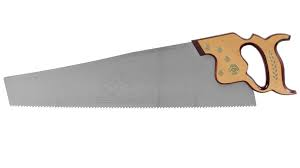
- Used to cut wood into different shapes
- Has sharp teeth that cut through wood
- Very dangerous – only adults should use
- Makes straight or curved cuts
KNIFE:
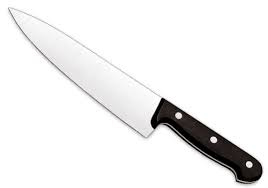
- For cutting small wood pieces
- Very sharp – can cut fingers
- Only adults use for wood cutting
- Good for detailed work
CUTTING TOOLS FOR METAL:
METAL SCISSORS (TIN SNIPS):
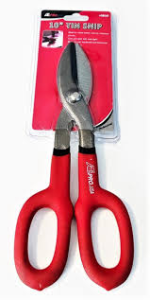
- Cut thin metal sheets
- Stronger than paper scissors
- Need adult help to use safely
- Make clean, straight cuts
PLIERS:

- Bend and cut thin metal wire
- Grab and twist metal pieces
- Adult supervision required
- Good for small metal work
SAFETY RULES:
- Never use these tools alone
- Always ask adult for help
- Wear safety glasses if available
- Keep tools away from body
- Put tools away when finished
FOR PRIMARY 4 STUDENTS:
- Watch adults use tools
- Learn tool names and uses
- Never touch sharp tools without permission
- Practice with safe materials like clay or thick paper
LESSON 2 – SHAPE CONSTRUCTION METHODS
METHODS FOR MAKING SHAPES:
FOLDING:
WITH METAL:
- Thin metal sheets can be folded
- Adult bends metal along lines
- Makes boxes, containers
- Creates strong corners
Example: Making metal box by folding edges
WITH WOOD:
- Wood doesn’t fold like paper
- Bend thin wood strips when soaked in water
- Steam makes wood bendable
- Only skilled adults can do this
BENDING:
METAL BENDING:
- Wire and thin metal can be bent by hand
- Thicker metal needs special tools
- Heat makes metal easier to bend
- Adults use pliers to bend metal safely
Examples:
- Paper clips – bent metal wire
- Coat hangers – bent metal wire
- Metal rings – bent from straight wire
WOOD BENDING:
- Very difficult – wood can break
- Soak wood in water first
- Heat with steam to make flexible
- Only experts should try this
CUTTING AND JOINING:
SAFE METHODS FOR STUDENTS:
- Ask adult to cut pieces
- Help hold pieces while adult works
- Watch and learn how it’s done
- Use glue or tape to join pieces (with help)
WHAT STUDENTS CAN DO:
- Plan the shape – draw what you want
- Choose materials – wood or metal scraps
- Mark where to cut with pencil
- Ask adult to help with cutting and bending
WHAT ADULTS DO:
- Use sharp tools safely
- Cut pieces to right size
- Bend metal into shape
- Join pieces together securely
EXAMPLES OF SHAPES MADE:
WITH WOOD:
- Simple boxes – for storage
- Picture frames – for photos
- Small shelves – for books
- Toy cars – for playing
WITH METAL:
- Wire sculptures – art projects
- Small containers – for organizing
- Jewelry – rings and bracelets
- Garden decorations – flowers and animals
SAFETY REMINDERS:
- Always have adult help
- Never use sharp tools alone
- Wear protective clothing if needed
- Work in safe area – away from others
- Clean up tools when finished
LEARNING STEPS:
- Watch adults use tools safely
- Help plan projects – draw designs
- Hold materials while adults cut
- Learn tool names and safety rules
- Practice with safe materials first
PRESENTATION
- Teacher shows pictures of different cutting tools and explains their uses
- Teacher demonstrates safe folding with thick cardboard (to show concept)
- Teacher shows examples of shapes made from wood and metal
- Teacher emphasizes safety rules throughout presentation
STUDENT ACTIVITIES
Students:
- Identify different tools in pictures
- Practice folding with thick paper or cardboard
- Plan simple shapes they’d like to make
- Discuss safety rules for tool use
EVALUATIVE ACTIVITIES
- Name two tools used for cutting wood
- Explain what folding and bending mean
- List three safety rules for using tools
- Know to ask adults for help with sharp tools
WORKBOOK
WEEKLY ASSESSMENT (TEST)
- A _______ is used to cut wood into shapes. A. Spoon B. Saw
- _______ can be used to cut and bend thin metal. A. Pliers B. Pencils
- Children should _______ ask adults for help with sharp tools. A. Never B. Always
- _______ means bending material into a new shape. A. Folding B. Eating
- Metal _______ can be bent to make different shapes. A. Rocks B. Wire
ATHLETICS: Types of Relay Races
Class: Primary 4
Duration: 30 minutes
Subject: Physical and Health Education
Learning Objectives
By the end of this lesson, pupils will be able to:
- Name three types of relay races
- Explain what a relay race is
- Identify the distances in relay races
What is a Relay Race?

A relay race is a running event where a team of runners take turns. Each runner carries a baton (stick) and passes it to the next runner.
Types of Relay Races
- 4x100m Relay
- 4 runners in each team
- Each runner runs 100 meters
- Total distance = 400 meters
- Fastest relay race
- 4x400m Relay
- 4 runners in each team
- Each runner runs 400 meters
- Total distance = 1,600 meters
- Longer relay race
- Medley Relay
- 4 runners in each team
- Each runner runs different distances
- Example: 100m + 200m + 300m + 400m
- Mixed distances
Key Points to Remember
- Teams have 4 runners
- Runners pass a baton to each other
- Must pass baton in the correct zone
- If baton is dropped, team can be disqualified
Simple Activity
Practice passing a stick (baton) to your partner while walking.
Evaluation
- How many runners are in a relay team?
- What do runners pass to each other?
- Name two types of relay races.
DATA PROCESSING
Learning Objectives
By the end of this lesson, pupils will be able to:
- Explain what data means
- List uses of data
- Identify types of data
What is Data?
Data is information or facts about something. It can be numbers, words, pictures, or sounds that we collect and use.
Examples of data:
- Your name and age
- Number of pupils in your class
- Pictures of your family
- Your favorite food
Uses of Data
Data helps us to:
- Keep records (like school attendance)
- Make decisions (choosing what to buy)
- Solve problems (finding the best route to school)
- Learn new things (studying weather patterns)
Types of Data
- Text Data
- Words and letters
- Examples: Names, addresses, stories
- Number Data
- Numbers and calculations
- Examples: Ages, scores, money amounts
- Picture Data
- Images and drawings
- Examples: Photos, diagrams, maps
- Sound Data
- Audio and music
- Examples: Songs, voice recordings, sounds
Simple Activity
Look around the classroom and name 3 different types of data you can see.
Evaluation
- What is data?
- Give two uses of data
- Name two types of data
Third Term Basic Science Lesson Notes for Other Topics

Meaning And Characteristics Of Plants
Explore lesson notes covering all topics.
Uses Of Plants
Explore lesson notes covering all topics.
Plants - As Living Things
Explore lesson notes covering all topics.
Plants Exhibiting Characteristics Of Living Things
Explore lesson notes covering all topics.

Meaning And Characteristics Of Animals
Explore lesson notes covering all topics.
Uses Of Animals
Explore lesson notes covering all topics.

How Animals Help Us
Explore lesson notes covering all topics.

Animals - As Living Things (Characteristics)
Explore lesson notes covering all topics.

Road Users
Explore lesson notes covering all topics.

Water - Objects That Float
Explore lesson notes covering all topics.

Water - Objects That Sink
Explore lesson notes covering all topics.
Air Flotation
Explore lesson notes covering all topics.

Air: Meaning, Uses & Gases in Air
Explore lesson notes covering all topics.

Colour: Meaning, Types, & Uses of Colour
Explore lesson notes covering all topics.

Sound Energy
Explore lesson notes covering all topics.
Lesson Notes for Other Classes

Basic 2 Lesson Note
The complete lesson note to guide your studies.
Basic 3 Lesson Note
The complete lesson note to guide your studies.
Basic 5 Lesson Note
The complete lesson note to guide your studies.

JSS1 Lesson Note
The complete lesson note to guide your studies.
JSS2 Lesson Note
The complete lesson note to guide your studies.

JSS3 Lesson Note
The complete lesson note to guide your studies.