
Water – Objects That Float Basic 2 Basic Science Lesson Note
Download Lesson NoteTopic: Water – Objects That Float
Learning Objectives: By the end of this lesson, pupils should be able to:
- mention objects that float in water
- describe the characteristics of objects that float in water
- demonstrate how to make objects float in water
Lesson Content:
What is Floating in Water? Floating is when objects stay on top of water instead of sinking to the bottom. Objects float because they are lighter than the water they push aside.
Objects That Float in Water:
Natural Objects:
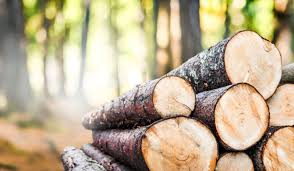
- Wood: Most pieces of wood float
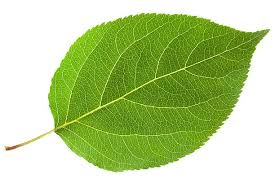
Leaves: Tree leaves float on water surface
- Feathers: Bird feathers are very light

- Ice: Frozen water floats on liquid water
- Oil: Cooking oil floats on water
- Cork: Natural cork from trees
Man-Made Objects:
- Plastic bottles: Empty bottles with air inside
- Boats: Ships and boats designed to float
- Rubber balls: Air inside makes them float
- Life jackets: Designed to help people float
- Styrofoam: Very light plastic material
- Empty cans: With air inside, they float
Everyday Floating Objects:
- Soap: Bar of soap floats in bath
- Balloons: Air-filled balloons float on water
- Plastic cups: When empty or with little water
- Paper boats: If made waterproof
- Coconut shells: Empty coconut shells
Characteristics of Objects That Float:
- Density (Lightness):
- Less dense than water: Objects lighter than same amount of water
- Air inside: Objects with air spaces float better
- Light materials: Wood, plastic, cork are naturally light
- Shape Matters:
- Hollow shape: Bowls and cups can float if right-side up
- Wide and flat: Large surface area spreads weight
- Boat shape: Designed to push water aside and stay up
- Material Type:
- Natural floaters: Wood, cork, oil
- Synthetic floaters: Most plastics, styrofoam
- Trapped air: Objects with air pockets inside
- Water Displacement:
- Push water aside: Floating objects push away water
- Buoyant force: Water pushes back up on object
- Balance: Object floats when forces balance
Demonstrating How to Make Objects Float:
Experiment 1: Making Clay Float Materials: Clay, water container Steps:
- Roll clay into ball – it sinks
- Shape clay like a bowl – it floats!
- Explanation: Bowl shape traps air and spreads weight
Experiment 2: Floating Different Materials Materials: Various objects, large water container Test objects: Cork, stone, wood block, plastic bottle, metal spoon Procedure:
- Predict: Guess which will float
- Test: Place each object gently in water
- Observe: Which float, which sink?
- Record: Make list of floaters and sinkers
Experiment 3: Making Foil Float Materials: Aluminum foil, water Steps:
- Crumple foil into tight ball – it sinks
- Shape same foil into boat shape – it floats!
- Explanation: Shape changes how foil sits on water
Experiment 4: Adding Weight to Floaters Materials: Floating object (cork), small weights (coins) Steps:
- Start with cork floating in water
- Add one coin at a time on top
- Watch what happens as weight increases
- Eventually sinks when too heavy
Making Objects Float Better:
Design Principles:
- Make it hollow: Create air spaces inside
- Spread the weight: Make wide, flat shapes
- Use light materials: Choose wood over metal
- Waterproof it: Keep water from getting inside
Boat Building Activity: Materials: Various materials (foil, plastic containers, cork, clay) Challenge: Make a boat that can carry the most weight Steps:
- Design your boat shape
- Build using materials provided
- Test in water – does it float?
- Add weight (coins or small objects) to test capacity
- Improve design based on results
Real-World Applications:
Transportation:
- Ships: Designed with hollow hulls to displace water
- Boats: Various sizes, all use floating principles
- Submarines: Control floating by adding/removing water
Safety:
- Life preservers: Help people float in emergencies
- Life boats: Emergency floating vessels
- Pool floats: Help people who can’t swim
Industry:
- Oil cleanup: Oil floats, can be removed from water surface
- Lumber transport: Logs floated down rivers
- Fishing: Fishing nets use floats to stay at surface
Third Term Basic Science Lesson Notes for Other Topics

Road Users
Explore lesson notes covering all topics.

Water - Objects That Sink
Explore lesson notes covering all topics.
Air Flotation
Explore lesson notes covering all topics.

Air: Meaning, Uses & Gases in Air
Explore lesson notes covering all topics.

Colour: Meaning, Types, & Uses of Colour
Explore lesson notes covering all topics.

Sound Energy
Explore lesson notes covering all topics.

Forms Of Energy
Explore lesson notes covering all topics.

Acids And Bases - Soap Making
Explore lesson notes covering all topics.
Acid And Bases
Explore lesson notes covering all topics.

Basic Electricity
Explore lesson notes covering all topics.

Conductors And Non-Conductors
Explore lesson notes covering all topics.

Magnetism
Explore lesson notes covering all topics.

Basic Motor Parts (Internal)
Explore lesson notes covering all topics.

Body Image And Self Esteem
Explore lesson notes covering all topics.

Excretory System
Explore lesson notes covering all topics.
Lesson Notes for Other Classes

Basic 4 Lesson Note
The complete lesson note to guide your studies.
Basic 5 Lesson Note
The complete lesson note to guide your studies.

JSS1 Lesson Note
The complete lesson note to guide your studies.
JSS2 Lesson Note
The complete lesson note to guide your studies.

JSS3 Lesson Note
The complete lesson note to guide your studies.

SS1 Lesson Note
The complete lesson note to guide your studies.