
Introduction To Choreography JSS1 Cultural & Creative Arts (CCA) Lesson Note
Download Lesson NoteTopic: Introduction To Choreography
Definition of Choreography
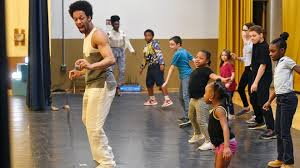
Choreography is the art of creating, arranging, and designing dance movements and sequences to form a complete dance performance. It involves planning how dancers move across space, interact with music, and express ideas or emotions through body movements. A person who creates choreography is called a choreographer.
Historical Background
- Dance has existed since ancient times as a form of expression, celebration, and communication
- Traditional African dances were choreographed to tell stories, celebrate harvests, and mark important ceremonies
- In Nigeria, traditional dances like Bata (Yoruba), Atilogwu (Igbo), and Sharo (Fulani) have specific choreographed movements
- Modern choreography evolved from classical ballet to include contemporary, hip-hop, and fusion styles
- Today, choreography is used in stage performances, music videos, films, and cultural celebrations
Elements of Choreography
- Space
- Levels: High (jumping, reaching up), Middle (standing), Low (floor work)
- Directions: Forward, backward, sideways, diagonal
- Pathways: Straight lines, curves, zigzags, circles
- Formations: Lines, circles, V-shapes, scattered patterns
- Stage Areas: Center stage, upstage, downstage, stage left, stage right
- Time
- Tempo: Fast, moderate, slow movements
- Rhythm: Moving to the beat of music
- Duration: How long movements last
- Counts: Organizing movements in counts of 8
- Accents: Emphasizing certain beats
- Energy/Dynamics
- Sharp: Quick, angular movements
- Smooth: Flowing, continuous movements
- Strong: Powerful, forceful movements
- Light: Delicate, gentle movements
- Sustained: Controlled, held movements
- Percussive: Explosive, sudden movements
- Body
- Parts: Head, arms, legs, torso, hands, feet
- Actions: Jump, turn, bend, stretch, twist, shake
- Shapes: Angular, curved, straight, twisted
- Relationships: Solo, partner work, group formations
Basic Choreographic Movements
- Locomotor Movements (movements that travel)
- Walking
- Running
- Jumping
- Hopping
- Skipping
- Galloping
- Sliding
- Leaping
- Non-Locomotor Movements (movements in place)
- Bending
- Stretching
- Twisting
- Shaking
- Swinging
- Collapsing
- Rising
- Balancing
- Basic Dance Steps
- Step-touch
- Grapevine
- Box step
- Pivot turn
- Chasse
- Ball change
- Kick-ball-change
- Three-step turn
Types of Choreography
- Narrative Choreography
- Tells a story through movement
- Has beginning, middle, and end
- Characters and plot development
- Examples: Ballet stories, cultural dance dramas
- Abstract Choreography
- Focuses on movement and design
- No specific story
- Explores shapes, patterns, emotions
- Emphasizes pure movement
- Lyrical Choreography
- Interprets music and lyrics
- Expresses emotions
- Flows with musical phrases
- Common in contemporary dance
- Traditional/Cultural Choreography
- Based on cultural heritage
- Specific traditional movements
- Preserves cultural identity
- Passed down through generations
- Commercial Choreography
- For entertainment industry
- Music videos, concerts
- High energy, audience appeal
- Includes popular dance styles
The Choreographic Process
- Inspiration and Concept
- Choose theme or idea
- Select music or sound
- Decide on style and mood
- Research if needed
- Consider audience and purpose
- Exploration and Improvisation
- Experiment with movements
- Try different combinations
- Explore space and levels
- Play with rhythm and timing
- Discover what works best
- Selection and Development
- Choose best movements
- Create movement phrases
- Develop sequences
- Build transitions
- Establish patterns
- Structure and Composition
- Organize beginning, middle, end
- Create climax points
- Balance repetition and variety
- Design formations
- Plan entrances and exits
- Refinement and Polish
- Clean up movements
- Synchronize group work
- Perfect timing
- Add performance quality
- Make final adjustments
Choreographic Devices
- Repetition: Repeating movements for emphasis
- Canon: Same movement performed by different dancers at different times
- Unison: All dancers performing same movement together
- Contrast: Using opposite movements or dynamics
- Variation: Changing aspects of a movement (size, speed, direction)
- Accumulation: Adding movements one by one
- Retrograde: Performing movements in reverse order
- Mirror: Reflecting movements as in a mirror
Tools for Choreographers
- Music and Sound
- Various genres and styles
- Instrumental or vocal
- Sound effects
- Silence as a tool
- Mixed soundtracks
- Props and Costumes
- Scarves, ribbons, fans
- Hats, canes, umbrellas
- Cultural accessories
- Fabric and materials
- Costume design considerations
- Technology
- Video recording for review
- Music editing software
- Lighting design
- Projection and multimedia
- Social media for sharing
Basic Choreography for JSS1 Students
Simple 8-Count Combination: 1-2: Step right, touch left beside right 3-4: Step left, touch right beside left 5-6: Step forward right, step forward left 7-8: Jump feet together, clap
Formation Changes:
- Start in straight line
- Form circle on counts 1-8
- Create two lines on counts 9-16
- Return to original formation
Careers in Choreography
- Professional Choreographer: Creates dances for companies, shows
- Dance Teacher: Teaches choreography in schools, studios
- Movement Director: Works in theatre and film
- Cultural Dance Preservationist: Maintains traditional dances
- Fitness Choreographer: Creates dance fitness routines
- Competition Choreographer: Designs routines for dance competitions
Benefits of Learning Choreography
- Develops creativity and imagination
- Improves coordination and body awareness
- Builds confidence and self-expression
- Enhances teamwork and collaboration
- Provides physical exercise
- Teaches discipline and dedication
- Preserves cultural heritage
- Opens career opportunities
Tips for Beginning Choreographers
- Start with simple movements
- Listen to music carefully
- Count beats and phrases
- Use space creatively
- Mix different levels
- Include variety in movements
- Practice regularly
- Watch other dancers
- Record your work
- Be patient with yourself
Safety in Choreography
- Always warm up before dancing
- Use proper technique
- Wear appropriate footwear
- Clear the dance space
- Stay hydrated
- Know your physical limits
- Cool down after dancing
- Avoid dangerous movements
Conclusion
Choreography is a creative art form that combines movement, music, and expression. It allows us to communicate ideas, emotions, and stories through dance. Whether creating traditional cultural dances or modern contemporary pieces, choreography provides endless possibilities for artistic expression. As beginning choreographers, students should focus on understanding basic elements, experimenting with movement, and developing their unique creative voice. With practice and dedication, anyone can learn to create meaningful and enjoyable dance choreography.
Third Term Cultural & Creative Arts (CCA) Lesson Notes for Other Topics

Creating a Drama Sketch from a Story
Explore lesson notes covering all topics.

Types of Lines and Uses of Lines
Explore lesson notes covering all topics.

Musical Notes
Explore lesson notes covering all topics.
Musical Notes - Values and Rest Signs
Explore lesson notes covering all topics.
Drawing
Explore lesson notes covering all topics.

Methods of Moulding Objects
Explore lesson notes covering all topics.
Introduction to Recorder Playing
Explore lesson notes covering all topics.

Fashion Accessories - Singing Songs About Wearing Clothes
Explore lesson notes covering all topics.

Definition of Music
Explore lesson notes covering all topics.

Mode of Greeting
Explore lesson notes covering all topics.

Element of Design
Explore lesson notes covering all topics.

Definition of Drama and Theatre
Explore lesson notes covering all topics.

Definition of Dance
Explore lesson notes covering all topics.

Impersonation
Explore lesson notes covering all topics.

Melodic Patterns Of Traditional Song
Explore lesson notes covering all topics.


Lesson Notes for Other Classes
Basic 1 Lesson Note
The complete lesson note to guide your studies.

Basic 2 Lesson Note
The complete lesson note to guide your studies.
Basic 3 Lesson Note
The complete lesson note to guide your studies.

Basic 4 Lesson Note
The complete lesson note to guide your studies.

Basic 5 Lesson Note
The complete lesson note to guide your studies.
Basic 6 Lesson Note
The complete lesson note to guide your studies.