
People From Sudan And Sahel Savanna Zone In Nigeria SS3 Nigerian History Lesson Note
Download Lesson NoteTopic: People From Sudan And Sahel Savanna Zone In Nigeria
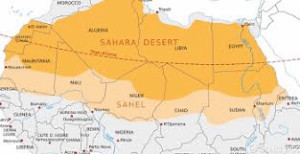
Nigeria is a country with many different types of land and climate zones. The northern part of Nigeria has two important zones called the Sudan Savanna and the Sahel Savanna. These zones have shaped the way people live there for hundreds of years. In this lesson, we will learn about the people who live in these zones, their way of life, and how they have adapted to their environment.
What are the Sudan and Sahel Savanna Zones?
Sudan Savanna Zone
The Sudan Savanna is a wide belt of land that stretches across the middle-northern part of Nigeria. This zone includes parts of these states:
- Kebbi
- Sokoto
- Zamfara
- Katsina
- Kano
- Jigawa
- Yobe
- Bauchi
- Gombe
- Borno
- Northern parts of Kaduna
Sahel Savanna Zone
The Sahel Savanna is the northernmost zone in Nigeria, bordering Niger Republic and Chad. It is the driest part of Nigeria and is found in:
- Northern parts of Sokoto
- Northern parts of Katsina
- Northern parts of Jigawa
- Northern parts of Yobe
- Northern parts of Borno
Physical Features of the Sudan and Sahel Savanna
Climate
- Sudan Savanna: Gets between 600-1000mm of rainfall each year, mainly from May to October. The dry season lasts 5-7 months.
- Sahel Savanna: Receives only 400-600mm of rainfall yearly. The dry season is longer, lasting 7-9 months.
- Both zones have high temperatures that can reach 40°C (104°F) during the hot season.
- The harmattan (a dry, dusty wind) blows from the Sahara Desert during the dry season.
Vegetation
- Sudan Savanna: Grass grows up to 2 meters tall during the rainy season. There are scattered trees like the baobab, acacia, and shea butter tree.
- Sahel Savanna: Shorter grasses (less than 1 meter) and fewer trees. Trees have special features to survive the dry conditions, like small leaves or thorns.
- During the dry season, most plants turn brown, and many trees lose their leaves.
Terrain
- Mostly flat plains with some hills
- Sandy soils in many areas
- The Lake Chad basin lies in the eastern part of the Sahel zone
- Rivers are seasonal – they flow during the rainy season but dry up in the dry season
Major Ethnic Groups in the Sudan and Sahel Savanna
Several ethnic groups have lived in these zones for many generations. Each has its own language, traditions, and ways of life.
Hausa
- The largest ethnic group in northern Nigeria
- Speak the Hausa language
- Predominantly Muslim
- Known for trading, farming, and crafts
- Live in large walled cities (like Kano, Katsina, and Sokoto) and farming villages
Fulani (also called Fulbe)
- Traditionally nomadic cattle herders
- Many have now settled in one place and mix farming with cattle raising
- Speak Fulfude language
- Predominantly Muslim
- Known for their cattle-herding skills and dairy products
Kanuri
- Mainly found in Borno and Yobe states around Lake Chad
- Descendants of the powerful Kanem-Bornu Empire
- Speak Kanuri language
- Predominantly Muslim
- Known for farming, fishing, and trading
Other Groups
- Nupe: Found in parts of Niger State
- Gwari (Gbagyi): Live in parts of Niger and Kaduna states
- Marghi: Found in southern Borno State
- Babur and Bura: Small groups in Borno and Yobe
Traditional Livelihoods and Adaptations to the Environment
The people living in the Sudan and Sahel Savanna have developed special ways to survive in their challenging environment.
Agriculture
- Farming Techniques:
- Growing drought-resistant crops like millet, sorghum, cowpeas, and groundnuts
- Early-maturing varieties that can grow in a short rainy season
- Deep planting to reach moisture in the soil
- Wide spacing between plants to reduce competition for water
- Crop Rotation and Mixed Farming:
- Growing different crops together (like millet and beans)
- Rotating crops each year to keep the soil fertile
- Using animal manure as fertilizer
- Irrigation:
- Traditional wells and shadoof (a simple machine for lifting water)
- Growing vegetables near rivers and lakes during the dry season
- Modern irrigation projects in some areas
Pastoralism
- Nomadic and Semi-Nomadic Herding:
- Moving with cattle, sheep, and goats to find grass and water
- Following seasonal patterns of movement (transhumance)
- Using cattle breeds like the White Fulani that can withstand drought
- Adaptations for Livestock:
- Feeding animals with harvested crop residues during the dry season
- Digging wells for animals to drink
- Keeping smaller animals like goats that need less water
Fishing
- Done in Lake Chad, River Niger, and smaller seasonal rivers
- Fish are often dried or smoked to preserve them
- Some fishing communities move as water levels change
Trading
- Long history of trans-Saharan trade routes connecting with North Africa
- Trading centers like Kano have existed for centuries
- Important items include cattle, leather goods, grains, and salt
- Modern trading includes agricultural products and manufactured goods
Housing and Settlements
Traditional Housing
- Materials:
- Mud (adobe) is the main building material
- Flat roofs in drier areas, thatched roofs where there’s more rain
- Thick walls to keep out heat
- Design:
- Compound housing with several rooms around a courtyard
- Small windows to keep out heat and dust
- Houses built close together in villages for protection
Settlement Patterns
- Urban Settlements:
- Ancient walled cities like Kano, Katsina, and Sokoto
- Central markets and mosques as focal points
- Traditional rulers’ palaces as administrative centers
- Rural Settlements:
- Villages often located near water sources
- Clustered houses surrounded by farmland
- Some nomadic groups use temporary shelters
Cultural and Social Practices
Religion
- Islam is the predominant religion, introduced around the 11th century
- Islamic practices influence daily life, art, architecture, and education
- The Sokoto Caliphate, founded in the early 19th century, spread Islamic education and governance
Family Structure
- Extended family system is common
- Patriarchal structure where the oldest male is the head of the family
- Polygamy is practiced by some families
- Gender roles are clearly defined in traditional settings
Traditional Leadership
- Emirs rule in many areas, continuing a system from pre-colonial times
- Village heads and district heads under the emirs
- Religious leaders (Islamic scholars) play important roles
- Age-grade systems in some communities, where men of similar age form social groups
Festivals and Celebrations
- Eid celebrations: Eid al-Fitr and Eid al-Adha are major religious festivals
- Durbar festivals: Colorful horse parades held during Eid and other occasions
- Harvest festivals: Celebrating successful crop harvests
- Sharo/Shadi: Fulani festival testing bravery and endurance
Arts and Crafts
People from the Sudan and Sahel Savanna are known for their skilled craftsmanship:
- Leatherwork: Shoes, bags, pouches, and decorative items
- Weaving: Cotton cloth, mats, and baskets
- Pottery: Water jars, cooking pots, and decorative items
- Calabash decoration: Carved and decorated gourds used as containers
- Embroidery: Especially on caps, gowns, and robes
- Blacksmithing: Making tools, weapons, and decorative metal items
Modern Challenges and Changes
Environmental Challenges
- Desertification: The desert is spreading southward
- Drought: Increasing frequency of dry periods
- Climate change: Less predictable rainfall patterns
- Deforestation: Loss of trees due to cutting for firewood and clearing for farms
Economic Changes
- Shift from traditional livelihoods to wage employment
- Migration to cities for work
- Introduction of cash crops like cotton
- Development of industries in cities like Kano
Social Changes
- Modern education alongside traditional Islamic education
- Changing family structures and gender roles
- Migration and movement between different regions
- New technologies affecting traditional practices
Contributions to Nigerian Culture
People from the Sudan and Sahel Savanna zones have made important contributions to Nigeria as a whole:
- Language: Hausa is widely spoken across Nigeria as a trade language
- Food: Northern dishes like tuwo, suya, and kilishi are popular nationwide
- Music: Instruments like the talking drum and kakaki (trumpet)
- Dress: Traditional attire like babban riga (grand boubou) and embroidered caps
- Architecture: Distinctive building styles seen in mosques and palaces
- Governance: Traditional leadership systems and Islamic legal concepts
Conclusion
The Sudan and Sahel Savanna zones of Nigeria are home to diverse peoples who have developed unique ways of living in a challenging environment. Their cultural practices, traditional livelihoods, and adaptations to the environment show great resilience and ingenuity. Today, these communities face new challenges from environmental change and modernization, but continue to maintain many of their traditional practices while adapting to the modern world.
Evaluation Questions
- Describe the differences between the Sudan Savanna and Sahel Savanna zones.
- Name three major ethnic groups from the Sudan and Sahel Savanna zones and describe their traditional livelihoods.
- Explain how farmers in these zones have adapted to the dry climate.
- What are some of the traditional crafts people practice in these zones?
- What modern challenges are people in these zones facing today?
Classwork
Answer the following questions:
- Describe the climate and vegetation of the Sudan and Sahel Savanna zones.
- List four crops that are commonly grown in these zones and explain why they grow well there.
- Explain the traditional housing style in the Sudan and Sahel Savanna zones.
- How has the environment influenced the way of life of the Fulani people?
- What contributions have people from these zones made to Nigerian culture?

First Term Nigerian History Lesson Notes for Other Topics
Relationship Between People From Different Centers Of Civilization In Precolonial Nigeria: Kanem Bornu/Hausa Empire
Explore lesson notes covering all topics.
Relationship Between People From Different Centers Of Civilization In Precolonial Nigeria: Igbo/Ibibio
Explore lesson notes covering all topics.
Relationship Between People From Different Centers Of Civilization In Precolonial Nigeria: Igbo/Niger Delta City States
Explore lesson notes covering all topics.
Relationship Between People From Different Centres Of Civilization In Precolonial Nigeria: Ife/Benin
Explore lesson notes covering all topics.
Non-Centralized States: The Idoma
Explore lesson notes covering all topics.
Non-Centralized States: The Igbo
Explore lesson notes covering all topics.
Non-Centralized States - The Tiv
Explore lesson notes covering all topics.
Major Non-Centralized States In Pre-Colonial Nigeria
Explore lesson notes covering all topics.

Drama
Explore lesson notes covering all topics.

Poetry
Explore lesson notes covering all topics.

Prose: Literary And Non-Literary
Explore lesson notes covering all topics.

Genres/Branches Of Literature
Explore lesson notes covering all topics.

The State Formation Process
Explore lesson notes covering all topics.
Centers Of Ancient Civilization
Explore lesson notes covering all topics.
Traditions Of Origin Of Various Groups
Explore lesson notes covering all topics.

Lesson Notes for Other Classes

JSS1 Lesson Note
The complete lesson note to guide your studies.
JSS2 Lesson Note
The complete lesson note to guide your studies.

SS1 Lesson Note
The complete lesson note to guide your studies.

SS2 Lesson Note
The complete lesson note to guide your studies.