
Nationalism And National Movement In Nigeria SS2 Nigerian History Lesson Note
Download Lesson NoteTopic: Nationalism And National Movement In Nigeria
Nationalism is when people feel strong love and pride for their country and want to rule themselves. In Nigeria, nationalism was the movement of people who wanted to end British colonial rule and become an independent country. Nigerian nationalism grew over many years, with many brave leaders fighting for freedom in different ways. This lesson will explain how Nigerian nationalism started, grew stronger, and finally led to independence on October 1, 1960.
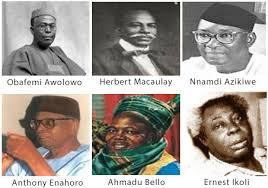
The Beginnings of Nigerian Nationalism (1880s-1920s)
Early Signs of Resistance
Even before official nationalism began, Nigerians showed resistance to foreign control:
- Traditional rulers fought against British invasion
- The Ekumeku Movement in present-day Delta State fought against the British for 31 years (1883-1914)
- King Jaja of Opobo resisted British trading rules
- The Aro of Eastern Nigeria fought against British expeditions
- Samori Toure and the Sokoto Caliphate resisted in the North
First Nationalist Organizations
The first organized nationalist groups appeared in the early 1900s:
- The People’s Union formed in Lagos in 1908
- The Aborigines’ Rights Protection Society worked to protect land rights
- The Lagos Auxiliary of the Anti-Slavery and Aborigines’ Protection Society
- These early groups were small and mainly in Lagos
- They focused on specific issues rather than full independence
Early Nationalist Leaders
Important early leaders included:
- John Payne Jackson: A newspaper editor who criticized British policies
- Herbert Macaulay: Often called the “Father of Nigerian Nationalism”
- Kitoyi Ajasa: A lawyer who worked for Nigerian rights
- These men were mostly educated professionals
- They used newspapers and petitions to protest unfair British policies
The Nigerian National Democratic Party (NNDP)
The first true political party in Nigeria:
- Founded by Herbert Macaulay in 1923
- Created to participate in elections for the Lagos Legislative Council
- Won all the seats open to Nigerians in the 1923, 1928, and 1933 elections
- Demanded more participation in government
- Did not yet call for full independence
- Limited to Lagos area only
The Growth of Nationalism (1930s-1945)
The Nigerian Youth Movement (NYM)
A broader nationalist organization emerged:
- Founded in 1934 by Ernest Ikoli, H.O. Davies, and Samuel Akinsanya
- First multi-ethnic nationalist organization
- Expanded beyond Lagos to other parts of Southern Nigeria
- Published a daily newspaper called “Daily Service”
- Won elections against the NNDP in 1938
- Split apart in 1941 due to internal disagreements
Impact of Western Education
Education played a key role in growing nationalism:
- More Nigerians were getting Western education
- Learned about ideas like democracy, freedom, and equality
- Read about independence movements in other countries
- Compared British promises with colonial reality
- Became aware of racial discrimination
- Formed student groups that became political
Nigerian Students Abroad
Students who studied overseas became important nationalists:
- Nnamdi Azikiwe studied in the United States
- Obafemi Awolowo studied law in the United Kingdom
- They saw that white people in their home countries had freedom
- They asked why Nigerians couldn’t have the same freedom
- They brought back new political ideas
- They started newspapers and organizations when they returned
The Press and Nationalism
Newspapers helped spread nationalist ideas:
- The West African Pilot (started by Azikiwe in 1937)
- The Daily Service (Nigerian Youth Movement paper)
- Daily Comet, Eastern Guardian, and other papers
- These papers criticized colonial policies
- They reported on unfair treatment of Nigerians
- They helped people across Nigeria share similar concerns
World War II and Its Effects (1939-1945)
Nigerian Participation in the War
World War II changed how Nigerians thought about colonialism:
- Thousands of Nigerians fought for Britain against Germany and Japan
- Nigerian soldiers saw that white people could be defeated
- They fought for freedom in other lands while Nigeria wasn’t free
- They were often treated poorly despite their service
- When they returned, they joined nationalist movements
The Atlantic Charter
International events encouraged Nigerian nationalists:
- The Atlantic Charter (1941) promised self-determination for all peoples
- Nigerians asked why this didn’t apply to them
- The United Nations formed in 1945 supporting self-government
- America and Soviet Union criticized European colonialism
- These international ideas supported Nigerian demands
Economic Changes
The war changed Nigeria’s economy:
- Britain needed Nigerian resources more than ever
- Workers were often poorly paid and treated badly
- Prices of goods increased causing hardship
- These problems made more people join nationalist movements
- General Strike of 1945 showed workers’ power
Nationalist Movement After World War II (1945-1950s)
National Council of Nigeria and the Cameroons (NCNC)
A major nationalist organization formed:
- Founded in 1944 by Herbert Macaulay and Nnamdi Azikiwe
- Brought together different groups from across Nigeria
- Sent delegation to London in 1947 to demand constitutional changes
- Organized protests against unfair colonial policies
- Became a political party that later led Eastern Nigeria
Action Group (AG)
Another major nationalist party emerged:
- Founded in 1951 by Obafemi Awolowo
- Grew from a Yoruba cultural organization (Egbe Omo Oduduwa)
- Strong in Western Nigeria
- Called for a federal system of government
- Pushed for immediate self-government
- Had the motto “Freedom for all, life more abundant”
Northern Elements Progressive Union (NEPU)
Northern Nigeria also had nationalist movements:
- Founded by Aminu Kano in 1950
- Challenged the conservative Northern establishment
- Fought for ordinary northerners’ rights
- Opposed the feudal system in the North
- Allied with southern nationalists
Northern People’s Congress (NPC)
A more conservative northern party:
- Led by Ahmadu Bello, the Sardauna of Sokoto
- Founded in 1949
- More cautious about independence
- Wanted to protect northern interests
- Feared southern domination
- Eventually accepted the independence movement
Nationalist Strategies
Constitutional Approach
Nigerian nationalists used peaceful political methods:
- Participated in constitutional conferences
- Worked through existing political systems
- Demanded gradual increases in Nigerian representation
- Negotiated with British authorities
- Used the Legislative Council to voice concerns
Mass Mobilization
They also organized the general public:
- Held large public meetings and rallies
- Used newspapers to spread their message
- Formed labor unions and student groups
- Created women’s organizations
- Boycotted unfair taxes or foreign goods
Pan-Africanism
Nigerian nationalists connected with independence movements across Africa:
- Nnamdi Azikiwe promoted Pan-African ideas
- Attended Pan-African Congresses
- Supported independence for all African countries
- Worked with leaders like Kwame Nkrumah of Ghana
- Saw Nigerian freedom as part of African liberation
Key Nationalist Leaders
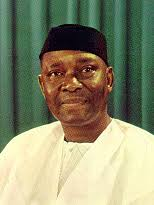
Nnamdi Azikiwe (1904-1996)
One of the most important nationalist leaders:
- Known as “Zik” by his supporters
- Founded influential newspapers
- Led the NCNC party
- Became Premier of Eastern Region
- Later became the first Nigerian President after independence
- Known for powerful speeches and writing
Obafemi Awolowo (1909-1987)
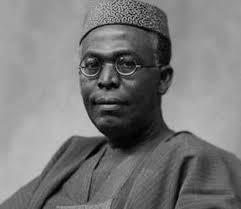
Another crucial nationalist figure:
- Founded Action Group party
- Introduced free education in Western Region
- Wrote books on Nigerian government and independence
- Became Premier of Western Region
- Known for his careful planning and organization
- Promoted federalism as Nigeria’s best system
Herbert Macaulay (1864-1946)

The pioneer of Nigerian nationalism:
- Founded the first political party (NNDP)
- Used his newspaper to criticize colonial policies
- Co-founded the NCNC with Azikiwe
- Died during a nationalist tour in 1946
- Called the “Father of Nigerian Nationalism”
Ahmadu Bello (1910-1966)
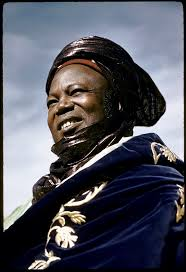
The main northern leader:
- The Sardauna of Sokoto, a traditional ruler
- Led the Northern People’s Congress
- Became Premier of Northern Region
- Protected northern interests during independence talks
- Helped bring the North into a united independent Nigeria
Margaret Ekpo (1914-2006)
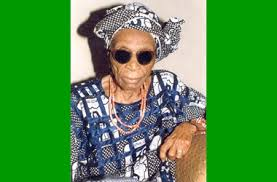
Women also played important roles:
- A women’s rights activist from Calabar
- Organized women to support nationalism
- Member of the Eastern House of Chiefs
- Made sure women’s voices were heard
- Showed that nationalism included women too
Funmilayo Ransome-Kuti (1900-1978)
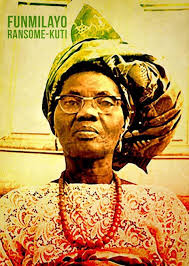
Another important woman leader:
- Led protests against unfair taxes on women
- Founded the Abeokuta Women’s Union
- Forced a traditional ruler to step down
- Traveled internationally to speak about Nigerian freedom
- Mother of famous musician Fela Kuti
The Road to Independence
Constitutional Development
Nigeria moved toward independence through stages:
- Richards Constitution (1946) – brought regions together but gave limited power
- Macpherson Constitution (1951) – gave more power to Nigerians in regional governments
- Lyttleton Constitution (1954) – created a federal system with more Nigerian leaders
Regional Self-Government
Different regions gained self-rule at different times:
- Western and Eastern Regions got self-government in 1957
- Northern Region in 1959
- Nigerian leaders became premiers of these regions
- Only foreign affairs and defense stayed under British control
Independence Conferences
Final steps to independence involved meetings:
- Constitutional Conferences in London (1957, 1958, 1959)
- Nigerian leaders negotiated with the British
- Discussed how independent Nigeria would be governed
- Agreed on October 1, 1960 as Independence Day
- Settled questions about regions, elections, and government structure
Challenges to Nationalism
Regional and Ethnic Tensions
Nigerian nationalism faced internal problems:
- Different ethnic groups had different interests
- Northern, Western, and Eastern regions competed for power
- Some feared domination by larger ethnic groups
- Political parties became associated with specific regions
- Created difficulties in forming a united nation
Religious Differences
Religion also created divisions:
- North was mostly Muslim
- South was mostly Christian
- Different views on how the country should be governed
- Questions about religious law and education
- Nationalist leaders had to work across religious lines
Class and Economic Differences
Social class affected nationalism:
- Urban educated elite led most nationalist movements
- Rural farmers sometimes had different concerns
- Traditional rulers often cooperated with British
- Workers and labor unions had economic focuses
- These differences shaped different visions for independent Nigeria
Independence Achieved
Final Steps to Freedom
The final path to independence:
- General elections held in 1959
- No party won a clear majority
- NPC and NCNC formed a coalition government
- Abubakar Tafawa Balewa became Prime Minister
- British agreed to grant full independence
Independence Day
Nigeria finally became independent:
- October 1, 1960
- Union Jack (British flag) lowered
- Nigerian flag raised
- Celebrations throughout the country
- Tafawa Balewa became Prime Minister
- Nnamdi Azikiwe became Governor-General
- Nigeria joined the United Nations and Commonwealth
Post-Independence Challenges
Continuing Nation-Building
After independence, Nigeria faced ongoing challenges:
- Creating national unity among diverse peoples
- Balancing power between regions
- Building a functioning democracy
- Developing the economy
- Overcoming colonial legacies
Republican Status
Nigeria made further political changes:
- Became a republic in 1963
- Nnamdi Azikiwe became President
- Removed British monarch as head of state
- Created a fully Nigerian government
- Completed the process of independence
Conclusion
Nigerian nationalism was a movement that united many different people in the struggle for independence. It grew from small beginnings in Lagos to become a nationwide movement that eventually freed Nigeria from British colonial rule. The nationalist movement included men and women from different regions, religions, and ethnic groups who worked together despite their differences.
While nationalism achieved its main goal of independence in 1960, the challenges of building a united nation continued. The divisions that existed during the nationalist period – regional, ethnic, and religious – remained important in post-independence Nigeria. Yet the nationalist movement showed that Nigerians could work together for a common goal.
The legacy of Nigerian nationalism includes not just independence itself, but also the ideas of unity, freedom, and self-government that continue to inspire Nigerians today. The nationalist leaders, with all their differences and disagreements, shared a vision of a free Nigeria taking its place among the nations of the world. Their achievement in winning independence against a powerful colonial empire remains one of the most important chapters in Nigerian history.

First Term Nigerian History Lesson Notes for Other Topics
Military Counter Coup July 1966 Second Military Regime: The Emergence Of Yakubu Gowon
Explore lesson notes covering all topics.
First Military Regime In Nigeria : Major General J.T.U Aguyi Ironsi 1966.
Explore lesson notes covering all topics.
Military Intervention In Nigerian Politics: First Coup D'Etat January 15, 1966
Explore lesson notes covering all topics.
First Democratic Civilian Government In Nigeria 1960-1966
Explore lesson notes covering all topics.
Constitutional Development In Nigeria: Road To Independence
Explore lesson notes covering all topics.
British Colonial Economy Social Development & Inter Group Relations In Nigeria
Explore lesson notes covering all topics.
British Colonial Political Administration In Nigeria: Indirect Rule System
Explore lesson notes covering all topics.
Amalgamation Of Nigeria And Impact
Explore lesson notes covering all topics.
Relationship Between People From Different Centers Of Civilization In Precolonial Nigeria: Kanem Bornu/Hausa Empire
Explore lesson notes covering all topics.
Relationship Between People From Different Centers Of Civilization In Precolonial Nigeria: Igbo/Ibibio
Explore lesson notes covering all topics.
Relationship Between People From Different Centers Of Civilization In Precolonial Nigeria: Igbo/Niger Delta City States
Explore lesson notes covering all topics.
Relationship Between People From Different Centres Of Civilization In Precolonial Nigeria: Ife/Benin
Explore lesson notes covering all topics.
Non-Centralized States: The Idoma
Explore lesson notes covering all topics.
Non-Centralized States: The Igbo
Explore lesson notes covering all topics.
Non-Centralized States - The Tiv
Explore lesson notes covering all topics.


Lesson Notes for Other Classes

JSS1 Lesson Note
The complete lesson note to guide your studies.

JSS2 Lesson Note
The complete lesson note to guide your studies.

SS1 Lesson Note
The complete lesson note to guide your studies.

SS3 Lesson Note
The complete lesson note to guide your studies.