
Environmental Resources SS2 Geography Lesson Note
Download Lesson NoteTopic: Environmental Resources
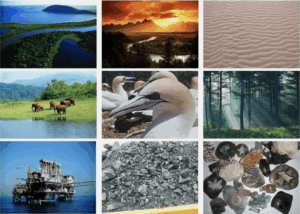
ENVIRONMENTAL RESOURCES
Environmental resources refer to the elements and components of the natural environment that provide direct or indirect benefits to living organisms, including humans. These resources play a crucial role in sustaining life and supporting ecosystems.
TYPES OF ENVIRONMENTAL RESOURCES
Environmental resources can be categorized into various types based on their nature and utility. Here are different types of environmental resources:
- Human resources refers to the human population and their interactions with the environment. This includes how people utilize, impact, and manage natural resources within a geographical area.
Examples of human resources include: Farmers, Urban Planners, Fishermen, Foresters, Miners
IMPORTANCE OF HUMAN RESOURCES TO MAN
- Humans play a crucial role in managing and utilizing natural resources such as land, water, and forests, which are vital for sustenance and economic activities.
- Human activities have significant impacts on the environment, affecting ecosystems, biodiversity, and overall environmental health.
- Human resources are central to the adoption of sustainable practices, ensuring the responsible use of environmental resources to meet present needs without compromising the ability of future generations to meet their own needs.
- Through urban planning and land use management, human resources influence the spatial distribution of populations and their environmental impact.
- Human efforts are crucial in conservation initiatives and restoring ecosystems that may have been degraded due to human activities.
- Mineral Resources: Mineral resources are naturally occurring substances found in the Earth’s crust that have economic value. These resources are extracted and processed for various purposes, including industrial, technological, and construction applications.
Examples of mineral resources include Ores, Metals, Fossil Fuels, Gemstones etc.
IMPORTANCE OF MINERAL RESOURCES TO MAN
The importance of mineral resources can be outlined as follows:
- Minerals serve as the foundation of various industries, contributing to economic development by providing raw materials for manufacturing and construction.
- Many minerals are essential components of technological devices, from smartphones and computers to renewable energy technologies, driving innovation and progress.
- Minerals like limestone, granite, and sand are crucial for construction, supporting the development of infrastructure such as buildings, roads, and bridges.
- Certain minerals, such as coal and uranium, are key sources of energy, supporting electricity generation and meeting the energy needs of societies.
- The extraction and processing of mineral resources create employment opportunities, especially in mining and related industries.
- Many countries rely on the export of mineral resources to generate revenue and participate in the global economy.
- Air Resources: Air resources generally refer to the components of Earth’s atmosphere, which include gasses like nitrogen, oxygen, carbon dioxide, and trace elements. Maintaining the quality of air resources is crucial for human health and the environment. Issues such as air pollution, caused by human activities and industrial processes, can have adverse effects on air quality.
An example is the air we breathe, composed of nitrogen, oxygen, carbon dioxide, and other gases.
IMPORTANCE OF AIR RESOURCES TO MAN
- Atmosphere: Supplies oxygen for respiration, nitrogen for plant growth, and protects life on Earth by regulating temperature.
- Water Resources: Water resources encompass all the water available on Earth, including surface water (lakes, rivers, and oceans) and groundwater. These resources are vital for various purposes such as drinking, agriculture, industry, and sustaining ecosystems.
Examples includes: Freshwater(Lakes, rivers, and underground aquifers) and oceans(salt water)
IMPORTANCE OF WATER RESOURCES TO MAN
- Freshwater: Vital for drinking, agriculture, and industrial processes.
- Oceans: Provide a source of food, support marine biodiversity, and influence climate patterns.
Land Resources: Land resources refer to the physical surface of the Earth that provides space for living, along with natural resources such as soil, water, vegetation, and minerals.
These resources play a crucial role in supporting various ecosystems, agriculture, human settlements, and economic activities.
Examples of land resources are: Arable Land and Topsoil
IMPORTANCE OF LAND RESOURCES TO MAN
- Arable Land: Essential for agriculture and food production, supporting human sustenance.
- Topsoil: Critical for plant growth and ecosystem health
First Term Geography Lesson Notes for Other Topics

Action Of Running Water
Explore lesson notes covering all topics.

Action Of Wind
Explore lesson notes covering all topics.

Glacial Action
Explore lesson notes covering all topics.

Action Of Wave
Explore lesson notes covering all topics.

Climate & Climate Classification
Explore lesson notes covering all topics.

Climate & Climate Classification II
Explore lesson notes covering all topics.

Vegetation
Explore lesson notes covering all topics.

Renewable And Non-Refundable Resources
Explore lesson notes covering all topics.

Environmental Problems
Explore lesson notes covering all topics.

Rocks
Explore lesson notes covering all topics.

Mountains
Explore lesson notes covering all topics.

Lowlands
Explore lesson notes covering all topics.

The Environment - Ecosystem & Its Component
Explore lesson notes covering all topics.

Geography: An Introduction
Explore lesson notes covering all topics.
The Earth's Structure
Explore lesson notes covering all topics.


Lesson Notes for Other Classes

Basic 1 Lesson Note
The complete lesson note to guide your studies.

Basic 2 Lesson Note
The complete lesson note to guide your studies.

Basic 3 Lesson Note
The complete lesson note to guide your studies.

Basic 4 Lesson Note
The complete lesson note to guide your studies.

Basic 5 Lesson Note
The complete lesson note to guide your studies.

Basic 6 Lesson Note
The complete lesson note to guide your studies.