
Introduction To Depreciation Of Fixed Assets SS1 Financial Accounting Lesson Note
Download Lesson Note
Lesson Notes
Topic: Introduction To Depreciation Of Fixed Assets
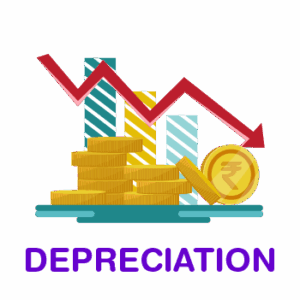
Depreciation may be defined as the permanent and continuing diminution (or lessening) in the quality, quantity or value of an asset.
CAUSES OF DEPRECIATION
- Physical factors – Assets may depreciate as a result of physical factors like humidity (or dampness), heat, erosion, evaporation of liquids, rust, rot decay etc.
- Wear and Tear – An asset may depreciate as a result of constant usage.
- Passage of Time or Effluxion of Time; Assets like patents, copyrights, leaseholds etc. have a fixed period of legal life. They, therefore, depreciate as a result of the passage of time. The depreciation of these intangible assets is known as AMORTISATION
- Obsolescence – Assets may be rendered out of use as a result of new technology invention or change in fashion. The value of such obsolete assets (e.g. Nokie 3310 to Android phones) will reduce drastically over a short period.
- Inadequacy or Superfluity – Assets may be out of use because of the increase in the output of a firm. In such a situation, assets will be replaced with new and bigger ones.
- Depletion – Some natural resources like gold, crude oil, iron ore deposits, quarries etc. reduce in value as they are being exploited or mined. These assets are known as WASTING ASSETS. The more they are extracted, the less the reserve that remains.
REASONS OR ADVANTAGES OF CHARGING DEPRECIATION
- Since it reduces net profit, the tax to be paid will be reduced
- The business will have a fund to replace the asset at the end of the useful life
- The value of the assets will not be overstated in the Balance Sheet
- Rather than charging the cost of an asset to the profits in the year of purchase, the cost of an asset is spread over its useful life – this is a demonstration of the matching concept in accounting.
FACTORS TO BE CONSIDERED IN THE COMPUTATION OF DEPRECIATION
- The historical (or original) cost of the asset.
- The estimated useful life of the asset.
- The estimated scrap value (or salvage) value of the asset.
- The method of depreciation to be used e.g. straight line, reducing balance, revaluation method etc.
- The internal causes of depreciation.
- The external causes of depreciation.

Third Term Financial Accounting Lesson Notes for Other Topics
Balance Sheet
Explore lesson notes covering all topics.
Issues & Classes of Shares
Explore lesson notes covering all topics.
Interpretation Of Financial Statement Using Simple Ratio
Explore lesson notes covering all topics.
Dissolution Of Partnership
Explore lesson notes covering all topics.
Company Accounts
Explore lesson notes covering all topics.
Methods Of Depreciation
Explore lesson notes covering all topics.
Departmental Accounts
Explore lesson notes covering all topics.
Bank Reconciliation Statement
Explore lesson notes covering all topics.


Lesson Notes for Other Classes
JSS1 Lesson Note
The complete lesson note to guide your studies.

JSS2 Lesson Note
The complete lesson note to guide your studies.
SS2 Lesson Note
The complete lesson note to guide your studies.

SS3 Lesson Note
The complete lesson note to guide your studies.