
Major Non-Centralized States In Pre-Colonial Nigeria JSS2 Nigerian History Lesson Note
Download Lesson NoteTopic: Major Non-Centralized States In Pre-Colonial Nigeria
Major Non-centralized states in Pre-colonial Nigeria
Pre-colonial Nigeria featured diverse political systems that can be broadly categorized into centralized and non-centralized states. While centralized states like the Sokoto Caliphate, Kanem-Bornu Empire, and Benin Kingdom had clear hierarchical structures with kings or emperors at the top, non-centralized states operated differently. These societies functioned without monarchs or centralized authority figures, instead developing unique democratic systems that effectively governed their communities for centuries before European colonization.
Non-centralized states can be defined as societies where direct democracy or representative democracy was practiced, allowing people to participate directly in governing their communities. These political systems were particularly common in the eastern, southeastern, and parts of central Nigeria. Despite lacking kings or centralized bureaucracies, these societies maintained effective political, social, and judicial systems that ensured order and governance.
Major Non-Centralized States in Pre-Colonial Nigeria
Several significant ethnic groups in pre-colonial Nigeria developed non-centralized political systems:
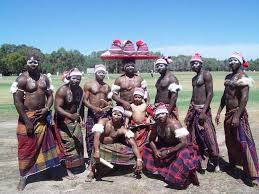
The Igbo
The Igbo people of southeastern Nigeria maintained one of Africa’s most well-known non-centralized systems, often described by the phrase “Igbo enwe eze” (meaning “the Igbo have no king”). Igbo political organization was based on:
- Village democracy where decisions were made by assemblies of all adult males
- Council of elders (Ndi Ichie) who provided leadership based on age and wisdom
- Title societies like the Ozo that recognized achievement rather than hereditary status
- Age-grade associations that handled specific community functions
- Women’s groups like the Umuada (daughters of the lineage) who wielded significant political influence
Major Igbo subgroups developed variations of this system, but all maintained democratic principles rather than centralized authority.
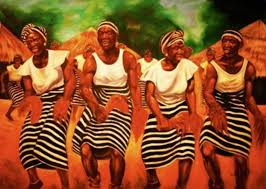
The Tiv
The Tiv people of the Middle Belt region operated a political system based on:
- Patrilineal kinship organization where authority flowed through male bloodlines
- The “tar” (territorial segment) as the basic political unit
- Council of elders known as “upyaven” who made decisions for the community
- Age-grades called “ityar” that performed specific social and defensive functions
- Strong emphasis on achievement rather than hereditary status
The Tiv successfully maintained their independence and territorial integrity against neighboring centralized states through their effective non-centralized political organization.
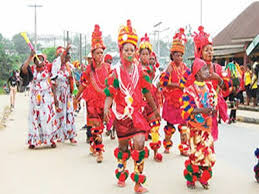
The Ibibio and Annang
These related ethnic groups in the southeastern region maintained political systems characterized by:
- Village councils (Afe Isong) composed of family heads
- Age-grade associations that performed administrative and military functions
- Secret societies like the Ekpo that maintained social control
- Family elders who resolved disputes within lineages
- Village assemblies where all adult males could participate in decision-making
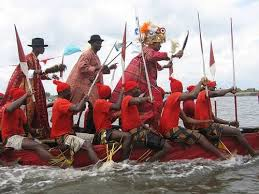
The Ijaw (Ijo)
The Ijaw people of the Niger Delta developed a political system suited to their riverine environment:
- The “war canoe house” as a basic political unit combining several extended families
- House heads (amanyanabo) who led through consensus rather than absolute authority
- Village councils composed of representatives from different houses
- Age-grades with specific responsibilities for community defense and development
- Priesthoods associated with water spirits that provided religious and social leadership
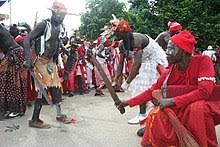
The Urhobo
The Urhobo of the western Niger Delta organized their society around:
- Autonomous village units called “Eghwu”
- Council of elders known as “Ekpako” who governed through consensus
- Age-grade associations that carried out community projects and defense
- “Ovie” (ritual leaders) who held spiritual rather than political authority
- Community assemblies where important decisions were debated openly
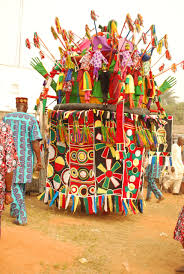
The Idoma and Ebira
These Middle Belt groups maintained non-centralized systems with:
- Village councils composed of family and lineage heads
- Age-grade organizations that performed specific community functions
- Consensus-based decision-making processes
- Achievement-based status rather than hereditary positions of power
- Religious leaders who held significant social influence without centralized political authority
Characteristics of Non-Centralized States
Despite their diversity, non-centralized states in pre-colonial Nigeria shared several important characteristics:
- Village Administration Through Council of Elders
The village functioned as the primary political unit in most non-centralized states. Governance operated through:
- Councils composed of the eldest male members from different families
- Regular meetings where community matters were discussed and decided
- Consensus-building rather than majority voting as the preferred decision-making process
- Representation of different family lineages to ensure broad community input
- Respect for elders’ wisdom and experience as a guiding principle
These councils functioned as the executive and sometimes judicial branches of village governance, overseeing day-to-day administration and maintaining social harmony.
- Age-Grade Systems
Age-grades served as important social and political institutions in non-centralized states:
- Young men of approximately the same age formed cohorts that moved through life stages together
- Each age-grade had specific responsibilities to the community
- Younger grades might perform labor, community projects, or serve as warriors
- Middle-aged grades often handled peacekeeping and law enforcement
- Senior grades provided wisdom and guidance on community matters
- Some grades performed administrative functions while others had defensive or legislative roles
Age-grades provided structure and organization in societies that lacked centralized bureaucracies, ensuring that essential community functions were fulfilled systematically.
- Dispute Resolution Mechanisms
Non-centralized states developed effective methods for maintaining justice and resolving conflicts:
- Council of elders selected one of their members to preside over dispute resolution
- In Igbo society, the head of a sub-lineage family (the Okpara) represented his family in judicial matters
- Disputes were usually settled through public hearings where both parties presented their cases
- Emphasis on reconciliation and restoration of harmony rather than punishment
- Graduated system of conflict resolution, beginning with family mediation before proceeding to village-level adjudication
- Various oracles and divination systems sometimes used in complicated cases
These judicial systems effectively maintained social order without the need for police forces or central courts found in centralized states.
- Non-Hereditary Leadership
Unlike centralized kingdoms where leadership was typically inherited, non-centralized states selected leaders based on different principles:
- Leadership positions were not passed automatically from father to son
- Leaders were selected based on personal qualities like wisdom, eloquence, and achievement
- Community consensus played an important role in determining who should lead
- Leadership was often situational, with different people leading in different contexts
- Force or conquest was not recognized as a legitimate path to leadership
- Wealth might influence selection but was not sufficient on its own
This dynamic leadership system allowed for meritocracy and prevented the concentration of power in single families or dynasties.
- Republican Political System
The governance of non-centralized states closely resembled republican principles:
- Direct participation of community members in decision-making processes
- Regular public assemblies where important matters were debated
- Checks and balances through different social institutions like age-grades, title societies, and councils
- Diffusion of power among various social groups rather than concentration in a central authority
- Emphasis on the common good and collective welfare in decision-making
- Accountability of leaders to the community they served
This republican nature allowed for remarkably democratic governance in societies that developed independently from European democratic traditions.
- Recognition Through Title Systems
Many non-centralized states developed elaborate title systems that recognized achievement:
- Wealthy and influential individuals could take titles that conferred status and respect
- Titles were usually purchased rather than inherited, requiring financial success
- Title holders formed societies that participated in governance
- Taking a title often involved responsibilities to the community alongside privileges
- The title system provided motivation for individual achievement while channeling wealth back into the community
- In Igbo society, the Ozo title represented high social achievement and moral standing
These title systems created pathways for social mobility and recognition without establishing permanent ruling classes.
Strengths of Non-Centralized Political Systems
The non-centralized states of pre-colonial Nigeria demonstrated several advantages:
- Flexibility and adaptability to changing circumstances without rigid hierarchies
- Broad participation in governance, enhancing community buy-in for decisions
- Checks and balances that prevented abuse of power by any individual or group
- Local autonomy that allowed communities to address their specific needs
- Consensus-building that created stable and widely accepted decisions
- Merit-based leadership that selected the most capable individuals for positions of responsibility
These strengths enabled non-centralized states to maintain their independence and effectively govern their affairs for centuries before European colonization disrupted traditional political systems.
Conclusion
The non-centralized states of pre-colonial Nigeria represent sophisticated political systems that effectively governed diverse communities without kings or centralized bureaucracies. Groups like the Igbo, Tiv, Idoma, Ebira, Ibibio, Annang, Ijaw, and Urhobo developed unique democratic traditions based on councils of elders, age-grade systems, and consensus decision-making.
These societies demonstrate that effective governance can take many forms beyond the centralized kingdoms that often receive more attention in historical accounts. The democratic principles embedded in these non-centralized states—including broad participation, checks on power, and merit-based leadership—show remarkable parallels to modern democratic ideals.
Understanding these pre-colonial political systems helps us appreciate the rich diversity of Nigerian political traditions and recognize that indigenous democratic practices existed in Africa long before European contact. The study of non-centralized states provides important insights into alternative models of governance and reminds us that effective political organization can emerge from local traditions and needs rather than imposed centralized structures.

First Term Nigerian History Lesson Notes for Other Topics
Relationship Between People From Different Centers Of Civilization In Precolonial Nigeria: Kanem Bornu/Hausa Empire
Explore lesson notes covering all topics.
Relationship Between People From Different Centers Of Civilization In Precolonial Nigeria: Igbo/Ibibio
Explore lesson notes covering all topics.
Relationship Between People From Different Centers Of Civilization In Precolonial Nigeria: Igbo/Niger Delta City States
Explore lesson notes covering all topics.
Relationship Between People From Different Centres Of Civilization In Precolonial Nigeria: Ife/Benin
Explore lesson notes covering all topics.
Non-Centralized States: The Idoma
Explore lesson notes covering all topics.
Non-Centralized States: The Igbo
Explore lesson notes covering all topics.
Non-Centralized States - The Tiv
Explore lesson notes covering all topics.

Drama
Explore lesson notes covering all topics.

Poetry
Explore lesson notes covering all topics.

Prose: Literary And Non-Literary
Explore lesson notes covering all topics.

Genres/Branches Of Literature
Explore lesson notes covering all topics.
The State Formation Process
Explore lesson notes covering all topics.
Centers Of Ancient Civilization
Explore lesson notes covering all topics.
Traditions Of Origin Of Various Groups
Explore lesson notes covering all topics.
Land And The People Of Nigeria
Explore lesson notes covering all topics.


Lesson Notes for Other Classes

JSS1 Lesson Note
The complete lesson note to guide your studies.

SS1 Lesson Note
The complete lesson note to guide your studies.

SS2 Lesson Note
The complete lesson note to guide your studies.

SS3 Lesson Note
The complete lesson note to guide your studies.