
Types & People Of The Forest Regions SS3 Nigerian History Lesson Note
Download Lesson NoteTopic: Types & People Of The Forest Regions
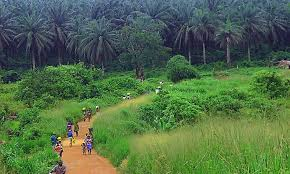
Forest regions are areas covered with many trees and plants growing close together. These forests create special environments where people have lived for thousands of years. The people who live in forest regions around the world have developed unique ways of life that help them survive and thrive among the trees. This lesson will explore who these forest people are, how they live, and how the forest shapes their daily lives.
Types of Forest Regions
Tropical Rainforests
- Found near the equator in hot, wet areas
- Receive heavy rainfall throughout the year (over 2000mm annually)
- Very dense vegetation with tall trees forming a canopy
- Examples: Amazon Rainforest in South America, Congo Rainforest in Africa, and rainforests in Southeast Asia
Temperate Forests
- Found in regions with four distinct seasons
- Receive moderate rainfall (750-1500mm annually)
- Trees that shed leaves in autumn (deciduous trees)
- Examples: Forests in Europe, eastern North America, and parts of Asia
Mangrove Forests
- Found along tropical and subtropical coastlines
- Trees grow in salty water with special roots that stick up above the water
- Create important breeding grounds for fish and protection from storms
- Examples: Coastal areas of Nigeria, Bangladesh, and Florida
Montane Forests
- Found on mountains at high altitudes
- Often misty with shorter trees than lowland forests
- Cooler temperatures than surrounding lowlands
- Examples: Mountain forests in the Andes, Himalayas, and African highlands
Forest Peoples Around the World
Indigenous Forest Communities
Many forest regions are home to indigenous peoples who have lived there for countless generations. Some well-known forest peoples include:
- Amazon Basin: Yanomami, Kayapo, and many other tribes
- Congo Basin: Mbuti, Baka, and Twa (often called “Pygmy” peoples)
- Southeast Asia: Penan of Borneo, indigenous peoples of Papua New Guinea
- India: Adivasi groups like the Gond and Baiga
Historical Relationship with Forests
Forest peoples have developed deep knowledge of their environments over thousands of years:
- They know which plants can be eaten or used as medicine
- They understand animal behavior and migration patterns
- They have created sustainable ways to use forest resources
- They often have spiritual beliefs that connect them to the forest
Forest People in Nigeria
Nigeria has several forest regions, each with distinct communities living in them:
Rainforest Zone (Southern Nigeria)
- Location: Found in parts of Ogun, Ondo, Edo, Delta, Cross River, and other southern states
- Ethnic Groups: Yoruba forest communities, Edo, Urhobo, Ijaw, Efik, Ibibio, Ekoi
- Traditional Occupations: Farming, hunting, gathering, fishing, and forest crafts
Mangrove Forests (Niger Delta)
- Location: Coastal areas of Rivers, Bayelsa, Delta, and Akwa Ibom states
- Ethnic Groups: Ijaw, Itsekiri, Urhobo, Ogoni, and other Niger Delta peoples
- Traditional Occupations: Fishing, canoe building, salt making, gathering
Montane Forests (Eastern Nigeria)
- Location: Highlands of Cross River State and parts of Taraba State
- Ethnic Groups: Various smaller ethnic communities
- Traditional Occupations: Specialized farming, honey collection, gathering
How Forest People Live
Housing and Settlements
Forest people build homes that suit their environment:
- Materials: Houses are typically made from forest materials like wood, bamboo, leaves, and vines
- Design: Often built on stilts in wet areas to avoid flooding
- Settlement Patterns: May be permanent villages or temporary camps
- Community Layout: Usually organized in small communities with strong family ties
- Features: Homes are designed to stay cool and dry in the hot, wet climate
Food and Subsistence
Forest peoples obtain food through various methods:
Hunting
- Using bows and arrows, spears, traps, and blowguns
- Hunting animals like deer, wild pigs, monkeys, and birds
- Knowledge of animal tracks, sounds, and habits
Gathering
- Collecting wild fruits, nuts, honey, mushrooms, and insects
- Harvesting medicinal plants and herbs
- Finding edible roots and tubers
- Knowing which plants are safe to eat and which are poisonous
Fishing
- Using nets, traps, spears, and sometimes natural fish poisons
- Fishing in forest streams, rivers, and flooded areas
- Preserving fish by smoking or drying
Farming
Many forest peoples practice forms of farming adapted to the forest:
- Shifting Cultivation: Also called slash-and-burn or swidden agriculture
- Clearing small patches of forest
- Burning the cut vegetation to release nutrients into the soil
- Growing crops for 2-3 years
- Moving to a new area and letting the old field regrow into forest
- Common Crops:
- Root crops: yams, cassava, cocoyam
- Grains: maize, rice
- Vegetables: okra, peppers, leafy greens
- Fruits: plantains, bananas, pineapples
- Tree crops: kola nuts, oil palm, cocoa (in more recent times)
Animal Husbandry
- Raising small animals like chickens and goats
- Some forest communities keep few livestock due to forest conditions
Transportation
Forest people move through their environment in creative ways:
- Footpaths: Networks of trails connecting communities and resources
- Waterways: Canoes and rafts for river travel
- Carrying Methods: Baskets, slings, and specialized carriers for forest products
- Navigation Skills: Using natural landmarks, sun position, and deep knowledge of territory
Tools and Technology
Forest peoples have developed specialized tools for forest life:
- Cutting Tools: Machetes, axes, and knives for clearing paths and building
- Hunting Equipment: Bows, arrows, spears, traps, and nets
- Containers: Baskets, pottery, and containers made from gourds or bamboo
- Processing Tools: Mortars and pestles for grinding, scrapers for preparing skins
- Craft Tools: Looms for weaving, carving implements for wood and bone
Cultural Aspects of Forest Peoples
Social Organization
- Family Structure: Often based on extended family groups
- Leadership: May have chiefs, elders’ councils, or other traditional leadership
- Age Groups: Many forest societies organize people by age for different responsibilities
- Gender Roles: Specific tasks for men and women, though these vary by culture
Spiritual Beliefs
Forest peoples often have spiritual beliefs closely tied to their environment:
- Forest Spirits: Belief in spirits that live in trees, rivers, and animals
- Ancestors: Connection to ancestors who lived in the same forests
- Sacred Sites: Special places in the forest for ceremonies and prayer
- Rituals: Ceremonies related to hunting, planting, harvesting, and life events
- Specialists: Shamans, priests, or healers with special knowledge of the spiritual world
- Taboos: Rules about which trees can be cut, animals hunted, or areas visited
Arts and Crafts
Forest peoples create art using materials from their environment:
- Wooden Carvings: Masks, figures, and tools
- Basketry: Using vines, reeds, and plant fibers
- Body Decoration: Body paint, tattoos, and scarification
- Music: Drums, flutes, and other instruments made from natural materials
- Textiles: Cloth made from tree bark or woven plant fibers
Knowledge Systems
Forest peoples possess detailed knowledge about their environment:
- Plant Knowledge: Identifying thousands of plants and their uses
- Animal Behavior: Understanding animal habits and ecology
- Weather Patterns: Predicting rain, drought, and seasonal changes
- Navigation: Finding their way through dense forest
- Astronomy: Using stars for timing and direction
- Medicinal Knowledge: Treating illnesses with forest plants
Challenges Facing Forest Peoples Today
Deforestation
- Logging companies cutting trees for timber
- Clearing forests for farms and plantations
- Mining and oil extraction destroying forest habitats
- Road building opening up previously remote areas
Loss of Land Rights
- Government policies that don’t recognize traditional land ownership
- Forced relocation from ancestral lands
- Conflicts with outside settlers and developers
Cultural Change
- Influence of outside religions and education systems
- Young people moving to cities for jobs and education
- Loss of traditional knowledge and languages
- Changes in lifestyle due to modern goods and technology
Health Issues
- New diseases brought by outsiders
- Pollution of forest rivers and land
- Changes in diet affecting health
- Limited access to healthcare
Conservation and Indigenous Rights
Forest Protection Efforts
- Some forest peoples are leading efforts to protect their forests
- Mapping traditional territories and resources
- Community forest management programs
- Partnerships with conservation organizations
Indigenous Rights Movements
- Fighting for legal recognition of land rights
- Preserving cultural heritage and knowledge
- Seeking political representation
- Building alliances with environmental groups
Sustainable Development
- Eco-tourism projects led by forest communities
- Sustainable harvesting of forest products
- Education that combines traditional and modern knowledge
- Community-based conservation initiatives
The Future of Forest Peoples
The peoples of the forest face many challenges but are finding new ways to adapt while maintaining their connection to the forest:
- Combining traditional knowledge with new technologies
- Creating organizations to defend their rights
- Documenting their knowledge for future generations
- Developing sustainable livelihoods that protect the forest
- Building bridges between their communities and the wider world
Conclusion
Forest peoples have developed remarkable ways of living in harmony with some of Earth’s most complex ecosystems. Their knowledge and traditions offer important lessons about sustainable living and the relationship between humans and nature. As forests face growing threats, the future of these communities depends on recognizing their rights, valuing their knowledge, and supporting their efforts to protect their forest homes.
Evaluation
- Name three types of forest regions and describe where they are found.
- Explain how forest peoples get their food.
- Describe two challenges facing forest peoples today.
- How do forest peoples use their environment to build homes?
- Why is the knowledge of forest peoples important for conservation?
Classwork
Answer the following questions:
- Name three ethnic groups that live in Nigeria’s forest regions.
- Explain what “shifting cultivation” means and why forest peoples use this farming method.
- Describe two ways that forest peoples travel through the forest.
- How have forest peoples adapted their housing to the forest environment?
- What kinds of spiritual beliefs do many forest peoples have?


Lesson Notes for Other Classes
JSS1 Lesson Note
The complete lesson note to guide your studies.

JSS2 Lesson Note
The complete lesson note to guide your studies.

SS1 Lesson Note
The complete lesson note to guide your studies.

SS2 Lesson Note
The complete lesson note to guide your studies.