
Reasons for Wearing Clothes Basic 4 Home Economics Lesson Note
Download Lesson NoteTopic: Reasons for Wearing Clothes
What are Clothes?
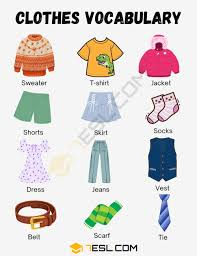
Clothes are coverings we put on our bodies made from different materials like cotton, wool, silk, or synthetic fabrics.
Why Do We Wear Clothes?
People wear clothes for many important reasons that help us stay healthy, comfortable, and accepted in society.
Main Reasons for Wearing Clothes
- Protection
Clothes protect our bodies from harm and discomfort
Protection from Weather:
- Sun protection: Clothes shield skin from harmful UV rays
- Rain protection: Raincoats and umbrellas keep us dry
- Cold protection: Warm clothes like sweaters keep us from freezing
- Wind protection: Clothes prevent cold wind from chilling our bodies
Protection from Physical Harm:
- Cuts and scratches: Clothes protect skin from sharp objects
- Insect bites: Long sleeves and pants prevent mosquito and other insect bites
- Dust and dirt: Clothes keep our skin clean
- Chemical protection: Work clothes protect from harmful substances
Examples:
- Hot sunny day: Wear hat and long sleeves to prevent sunburn
- Rainy day: Wear raincoat to stay dry
- Cold morning: Wear sweater to stay warm
- Playing outside: Wear pants to protect legs from scratches
- Modesty and Decency
Clothes help us cover our bodies appropriately
Cultural Modesty:
- Cover private parts: Clothes provide appropriate body coverage
- Respect cultural norms: Different cultures have different modesty requirements
- Age-appropriate dressing: Children, teenagers, and adults dress differently
- Religious requirements: Some religions have specific dress codes
Social Appropriateness:
- Public appearance: Wearing clothes is expected in public places
- Respectful presentation: Shows respect for ourselves and others
- Proper coverage: Ensures we are dressed appropriately for all situations
- Cultural sensitivity: Respecting local customs and traditions
Examples:
- Going to school: Wear complete uniform as required
- Visiting religious places: Dress modestly and respectfully
- Public places: Always wear appropriate clothing
- Cultural events: Follow traditional dress customs
- Identification and Status
Clothes help identify who we are and what we do
Occupational Identification:
- School uniforms: Show which school students attend
- Work uniforms: Identify different jobs (police, doctors, nurses)
- Sports uniforms: Show which team players belong to
- Traditional clothes: Identify cultural background
Social Status and Roles:
- Formal clothes: Show respect at important events
- Casual clothes: Appropriate for everyday activities
- Special occasion clothes: Worn for celebrations and ceremonies
- Traditional attire: Shows cultural pride and identity
Examples:
- Doctor’s white coat: Shows medical profession
- School uniform: Identifies school and grade level
- Wedding clothes: Special attire for important ceremonies
- Sports jersey: Shows team membership
- Beauty and Fashion
Clothes help us look attractive and express our personality
Personal Expression:
- Favorite colors: Choose clothes in colors we like
- Personal style: Express individual taste and preferences
- Creative combinations: Mix and match different clothing items
- Seasonal fashion: Wear styles appropriate for different times of year
Enhancing Appearance:
- Flattering fit: Well-fitting clothes make us look better
- Color coordination: Matching colors create pleasing appearance
- Clean and neat: Well-maintained clothes improve overall look
- Appropriate accessories: Shoes, belts, and jewelry complete outfits
Examples:
- Favorite dress: Wearing clothes that make us feel confident
- Color matching: Coordinating shirt and pants colors
- Special hairstyles: Matching clothes with hairstyle choices
- Clean appearance: Ironed and neat clothes look more attractive
- Comfort and Convenience
Clothes make us feel physically and emotionally comfortable
Physical Comfort:
- Soft materials: Cotton and other soft fabrics feel good on skin
- Right size: Properly fitting clothes don’t restrict movement
- Weather appropriate: Wearing right clothes for temperature
- Activity suitable: Clothes that allow free movement for different activities
Emotional Comfort:
- Confidence boost: Good clothes make us feel better about ourselves
- Belonging: Wearing similar clothes helps us fit in with groups
- Security: Being properly dressed reduces anxiety
- Self-expression: Clothes help us show our personality
Examples:
- Soft pajamas: Comfortable clothes for sleeping
- Stretchy play clothes: Allow free movement during games
- Favorite outfit: Makes us feel confident and happy
- Warm sweater: Provides physical and emotional comfort
- Hygiene and Health
Clothes help maintain cleanliness and prevent disease
Hygiene Benefits:
- Absorb sweat: Underwear and clothes absorb body moisture
- Prevent odor: Clean clothes help us smell fresh
- Barrier protection: Clothes prevent direct contact with dirty surfaces
- Easy cleaning: Washing clothes removes germs and dirt
Health Benefits:
- Prevent infections: Clean clothes reduce risk of skin infections
- Temperature regulation: Appropriate clothes help maintain body temperature
- Allergy protection: Clothes protect from allergens like pollen
- Injury prevention: Proper footwear prevents foot injuries
Examples:
- Clean underwear: Changed daily for good hygiene
- Fresh clothes: Prevent bad odors and skin problems
- Proper shoes: Protect feet from cuts and infections
- Clean socks: Prevent foot odor and fungal infections
Different Clothes for Different Purposes
School Clothes:
- Uniforms: Required for identification and equality
- Appropriate footwear: Suitable for school activities
- Weather gear: Sweaters, raincoats as needed
- Sports clothes: For physical education classes
Home Clothes:
- Comfortable wear: Soft, relaxed fitting clothes
- Play clothes: Durable clothes that can get dirty
- Sleep wear: Pajamas and nightgowns for comfort
- Work clothes: Old clothes for household chores
Special Occasion Clothes:
- Formal wear: For important ceremonies and events
- Traditional clothes: For cultural celebrations
- Religious wear: Appropriate for worship services
- Party clothes: Festive clothing for celebrations
Activity-Specific Clothes:
- Sports wear: Designed for physical activities
- Work uniforms: Protective clothing for specific jobs
- Travel clothes: Comfortable for long journeys
- Weather gear: Specialized clothing for extreme weather
Cultural and Historical Perspective
Cultural Differences:
- Traditional styles: Different cultures have unique clothing traditions
- Climate adaptation: Clothing styles developed based on local weather
- Available materials: Clothes made from locally available resources
- Social customs: Cultural beliefs influence clothing choices
Evolution of Clothing:
- Ancient times: Basic coverings for protection
- Traditional period: Cultural and regional styles developed
- Modern times: Global fashion and synthetic materials
- Future trends: Sustainable and technology-enhanced clothing
EXERCISES
Exercise 1: Fill in the Blanks
- Clothes are ________ we put on our bodies made from different materials
- Clothes protect us from ________, rain, and cold weather
- Wearing clothes shows ________ and decency in public
- ________ uniforms help identify which school students attend
Exercise 2: True or False
- We only wear clothes to look beautiful ____
- Clothes protect us from sun and rain ____
- All cultures have the same dress requirements ____
- Clean clothes help prevent skin infections ____
Exercise 3: Match Reason with Example
Draw lines to connect each reason with its example:
- Protection → Wearing favorite color dress
- Modesty → Using raincoat in rain
- Beauty → Covering body appropriately
- Identification → Wearing school uniform
Exercise 4: Reasons for Wearing Clothes
Write “P” for Protection, “M” for Modesty, “I” for Identification, “B” for Beauty, “C” for Comfort, or “H” for Hygiene:
- Wearing sunscreen clothes ____
- School uniform ____
- Favorite colorful shirt ____
- Clean underwear ____
- Covering private parts ____
Exercise 5: Choose the Right Answer
Circle the correct answer:
- Main purpose of raincoat: Beauty / Protection from rain
- School uniforms help with: Identification / Only comfort
- Clean clothes prevent: Nothing / Skin infections and odors
- Modesty means: Showing off / Appropriate body coverage
Exercise 6: Weather and Clothing
Match the weather with appropriate clothing reason:
- Sunny hot day → Wear warm sweater for comfort
- Rainy day → Wear hat and light clothes for protection
- Cold morning → Wear raincoat for protection
- Windy day → Wear windbreaker for protection
Second Term Home Economics Lesson Notes for Other Topics

Kitchen Hygiene
Explore lesson notes covering all topics.

First Aid Box
Explore lesson notes covering all topics.

Kitchen: Definition and Types
Explore lesson notes covering all topics.

Types of Home Cleaning II
Explore lesson notes covering all topics.

Types of Home Cleaning I
Explore lesson notes covering all topics.

Home Hygiene
Explore lesson notes covering all topics.

Clothing Construction Continued. (Production of Seam Album)
Explore lesson notes covering all topics.
Clothing Construction Continued. (Production of Seam Album)
Explore lesson notes covering all topics.

Review of First Term Scheme of Work
Explore lesson notes covering all topics.
Sewing Processes (Production Of An Article)
Explore lesson notes covering all topics.
Basic Stitches (Decorative/ Embroidery Stitches)
Explore lesson notes covering all topics.

Care Of Cooking Tools And Equipment
Explore lesson notes covering all topics.

Cleaning Cooking Tools And Equipment
Explore lesson notes covering all topics.
Basic Sitches (Permanent Stitches)
Explore lesson notes covering all topics.

Cleaning Agents For Cooking Tools And Equipment
Explore lesson notes covering all topics.
Lesson Notes for Other Classes
Basic 1 Lesson Note
The complete lesson note to guide your studies.

Basic 2 Lesson Note
The complete lesson note to guide your studies.

Basic 3 Lesson Note
The complete lesson note to guide your studies.
Basic 5 Lesson Note
The complete lesson note to guide your studies.

Basic 6 Lesson Note
The complete lesson note to guide your studies.

JSS1 Lesson Note
The complete lesson note to guide your studies.